Solomon Islands Navigation Guide
The Solomon Islands Navigation Guide is about safe navigation and begins with understanding the region’s unique blend of coral reefs, deep volcanic bays, shifting weather, and traditional coastal communities. Cruisers who approach these waters with good light, careful planning, and respectful engagement find the Solomons both rewarding and manageable. With reliable tools, local knowledge, and sound seamanship, navigating this remote archipelago becomes a confident and memorable experience
Solomon Islands Navigation Guide is about sailboat cruising the Solomon Islands and demands a higher level of situational awareness than more developed South Pacific destinations. The region is remote, lightly charted, and culturally diverse, with anchorages that reward patience, preparation, and respect for local customs.
Solomon Islands Navigation Guide - Charting & Navigation Tools
Solomon Islands Navigation Guide - Charting & Navigation Tools. The Solomon Islands contain extensive reef systems, shoals, and uncharted hazards. Depths can change abruptly, and many areas lack reliable aids to navigation. Recommended Tools:
Satellite imagery (SAS Planet, OvitalMap, Google Earth) for all approaches
- Multiple chart sources (Navionics, C‑Map, paper charts where available)
- Bow watch in reef‑strewn areas, for single handed boats greater vigilance
- Polarized sunglasses for reading water colour
- High‑resolution sonar (if available) for lagoon exploration, fish finders work well as do forward looking sonar systems.
- Best Practices
- Never rely on a single chart source
- Treat all charted depths as approximate
- Entering with the sun behind if possible
- Avoid night entries entirely
- Use slow, deliberate approaches in lagoons and passes
- Keep a wide margin from reef edges
Weather Awareness
& Seasonal Strategy
The Solomon Islands sit just south of the equator, with a tropical climate and two distinct seasons.
Dry Season (May–October)
- Dominated by southeast trades
- More predictable conditions
- Best time for inter‑island passages
Wet Season (November–April)
- Higher humidity and rainfall
- Increased squalls and thunderstorms
- Cyclone risk on the fringe of the belt
Risk Notes
- Squalls can arrive quickly and with little warning
- Anchorages may become exposed in wind shifts
- Lightning is common in the wet season
Anchoring Safety
Anchorages in the Solomons range from deep volcanic bays to shallow coral lagoons. Holding varies widely.
Bottom Types
- Sand: Best holding, common in lagoons
- Mud: Good holding in volcanic bays
- Coral rubble: Poor holding, avoid if possible
- Hard coral: Do not anchor; use sand patches only
Anchoring Guidelines
- Use a long scope (5:1 minimum, 7:1 preferred)
- Dive the anchor when possible to confirm set
- Avoid anchoring on coral, choose sand patches
- Expect canoe traffic; maintain a safe swing radius
- Lock dinghies in busier areas (Honiara, Gizo)
Security Notes
- Petty theft can occur in populated areas
- Remote villages are generally safe and welcoming
- Ask locals about conditions if unsure
Reef & Lagoon
Navigation
The Solomons are rich in coral systems, making lagoon navigation both rewarding and challenging.
Key Principles
- Enter lagoons only in good overhead light
- Keep the sun behind you when reading water
- Assign a dedicated bow lookout
- Use satellite imagery to pre‑plot safe paths
- Avoid narrow passes in strong tidal flow
Water Colour Guide
- Deep blue: Safe water
- Light blue/turquoise: Shallow sand
- Brown/green: Coral heads or reef
- Milky water: Suspended sand, often shallow
Community
Interaction & Cultural Safety
The Solomon Islands are culturally diverse, with strong traditions and local protocols.
Respectful Practices
- Ask permission before anchoring near a village
- Request approval before going ashore
- Dress modestly in all areas
- Offer small gifts (rice, sugar, school supplies) when appropriate
- Avoid photographing people without consent
Chiefs & Kastom
- Chiefs are the recognised traditional leaders of a village or region. Their role includes welcoming visitors, granting permission to anchor or go ashore, mediating disputes, protecting cultural practices and representing the community in decisions. They’re highly respected, and introducing yourself to the chief is both polite and culturally important. Many villages operate under traditional leadership. A respectful introduction to the chief sets the tone for your stay and often leads to warm hospitality.
- Kastom (from the English word custom) means traditional cultural practices, local rules and expectations, social protocols, ceremonies, dances, and rituals and land and sea ownership traditions. Kastom varies from island to island, and even between villages. It shapes how visitors should behave, dress, interact, and show respect.
Health & Environmental Safety
Health Considerations
- Mosquito‑borne illnesses (malaria, dengue) are present
- Use repellents, screens, and long clothing at dusk
- Carry a well‑stocked medical kit
Treat all cuts promptly in tropical climates by cleaning the area, keeping it covered, and monitoring for any signs of irritation. Tropical heat and humidity can cause even small wounds to worsen quickly, so good hygiene and early attention are essential. Seek medical advice if a wound doesn’t improve or shows signs of infection
Communications
& Redundancy
Connectivity varies widely across the islands.
Primary: Starlink or local SIM data. Starlink received a Class License from the Telecommunications Commission of Solomon Islands, allowing it to operate legally across the country. This means you can use Starlink freely while cruising, hardware can be purchased locally and no grey‑market restrictions like in PNG where service has been withdrawn. If you sail into PNG waters, Starlink may not function or may be restricted. Cruisers report strong coverage in Western Province (Gizo, Noro, Vona Vona), Central Province, Guadalcanal (Honiara) and remote islands
Backup: Iridium GO / Certus for weather and emergencies
Community: HF/SSB for nets and long‑range communication
Passage Planning
& Offshore Safety
Before Departing for the Solomons
- File departure paperwork at last port
- Carry printed copies of clearance documents
- Stock up on provisions, remote areas have limited supplies
- Ensure fuel and water reserves are adequate
Offshore Considerations
- Expect squalls, variable winds, and confused seas
- Maintain conservative sail plans at night (reefing)
- Keep watch for unlit fishing vessels and logs (very common)
- Monitor HF nets for weather and vessel traffic
Mechanical
and Electrical Repairs Resource
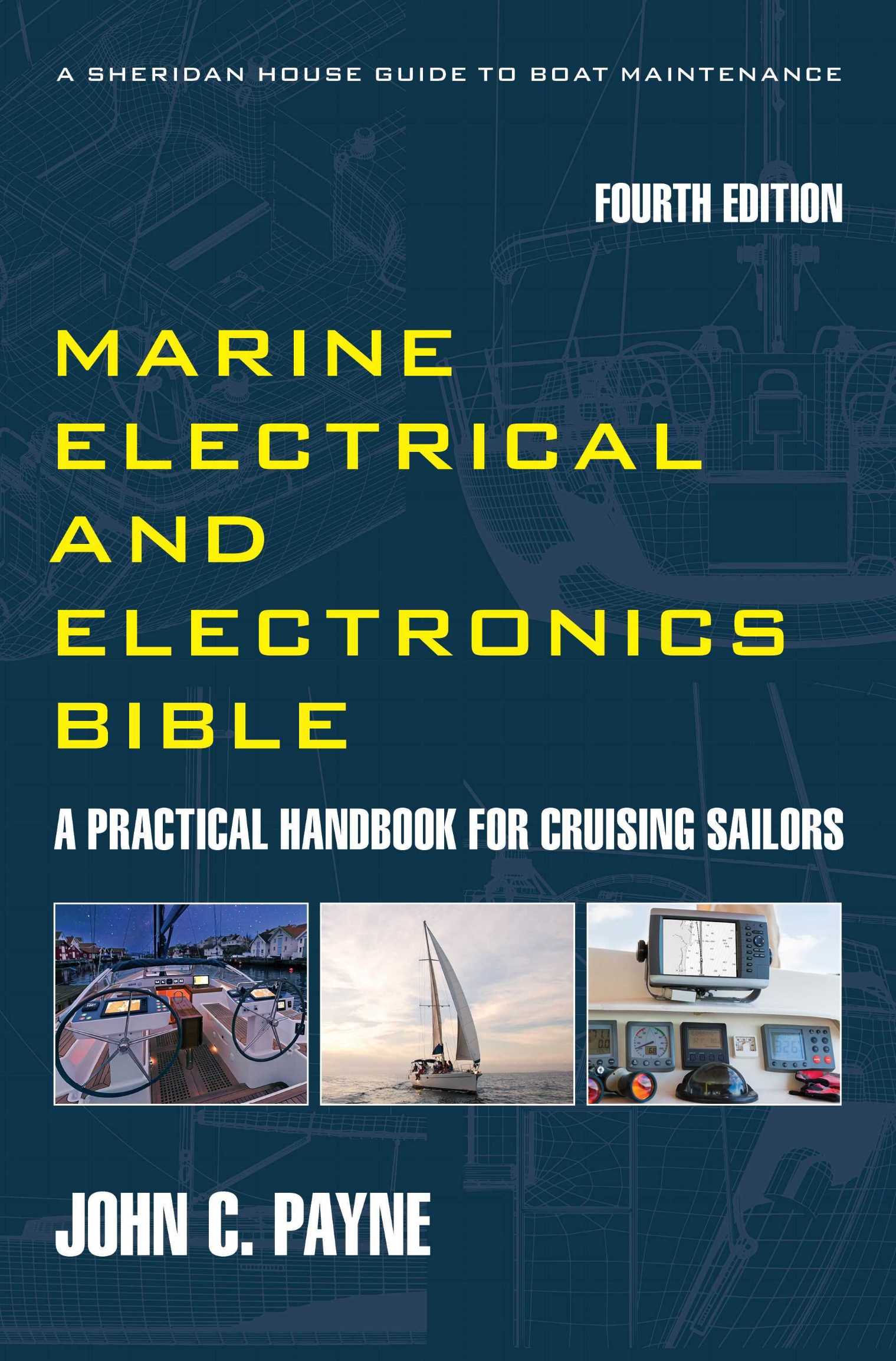
If you are headed somewhere remote consider the need to expand your knowledge base or have an information resource on board. Why not get a copy of my book The Marine and Electrical and Electronics Bible 4th Edition. By and for yachties, with everything from batteries and charging, solar and wind, diesel engines and marine electronics and so much more. Your complete systems guide. 650 pages of practical advice. In Australia and New Zealand order a copy through Boat Books. UK and European boats can buy the UK Edition Here. US and Canadian boats can get the US Edition Order Here. Marine systems are my profession so let me help you. By a liveaboard boat owner for other boat owners

Solomon Islands Navigation Guide
Summary
The Solomon Islands reward sailors who approach them with humility, curiosity, and solid seamanship. With thoughtful preparation, layered redundancy, and respect for local communities, the region becomes one of the most enriching cruising grounds in the Pacific, remote, beautiful, and unforgettable. I hope this Solomon Islands Navigation Guide helps with the passage planning.