Santa Marta Yacht Cruising
Guide
Santa Marta Yacht Cruising Guide. Santa Marta lies on Colombia’s Caribbean coast, west of Tayrona National Park and east of Barranquilla, and functions as a deepwater port with a single full‑service marina and limited anchorage options. Approaches are straightforward in settled conditions, with depths above 40–80 m offshore and predictable shoaling toward the harbour entrance. The city is used as a provisioning and staging point for yachts moving between Colombia, Panama, and the southern Caribbean.
The sailing environment is shaped by the northeast trades, typically 15–25 kn, with stronger katabatic winds descending from the Sierra Nevada mountains, especially at night and early morning. Seas are moderate offshore and calm inside the harbour. The coastline east of Santa Marta becomes more exposed and reef‑affected as it approaches Tayrona. Marine infrastructure is concentrated around Marina Internacional de Santa Marta, which serves as the operational centre for visiting yachts.
Santa Marta Yacht
Cruising Guide - Approaches
Approaches from the north and northwest are clear, with depths above 40–80 m until close to the harbour, shoaling to 10–20 m over sand before entering the marina basin. Approaches from the northeast and east are exposed to swell and local acceleration zones, with depths dropping from 30–40 m to 5–10 m near rocky points; these sectors require daylight and visual navigation. Tidal range is 0.3–0.5 m, and currents are weak, with minor set along the coast during fresh trades.
Santa Marta Yacht
Cruising Guide - Anchorage
Santa Marta Harbour Anchorage. The harbour anchorage lies west of the marina entrance and offers 10–15 m over sand with moderate shelter. Holding is generally reliable, but the area is exposed to strong nighttime katabatic winds. Dinghy access is via the marina docks once cleared with harbour authorities.
Taganga Bay. Taganga Bay, north of Santa Marta, provides 10–20 m over sand with moderate shelter in settled conditions. The bay is open and sensitive to swell, making it suitable only for short stays. Dinghy access is via the beach.
Tayrona Coast. The bays along the Tayrona coastline offer 10–20 m over sand and coral but are exposed to swell and subject to national‑park regulations. These anchorages are suitable only in calm weather and for daytime use.
Windward Coast. The coastline east of Santa Marta becomes increasingly exposed, with reefs and shoaling to 5–10 m, offering no reliable anchorage.
Santa Marta Yacht
Cruising Guide - Marina
Facilities
Marina Internacional de Santa Marta is the city’s only full‑service marina, with berths offering 3–6 m depths, fuel, water, power, security, and shore access. The marina supports routine yacht maintenance, including mechanical and electrical work, basic rigging, and chandlery supply. Haul‑out capability is limited; major repairs are handled in Cartagena or Curaçao. Charter and private‑boat operations run from the marina, including day trips and yacht rentals.
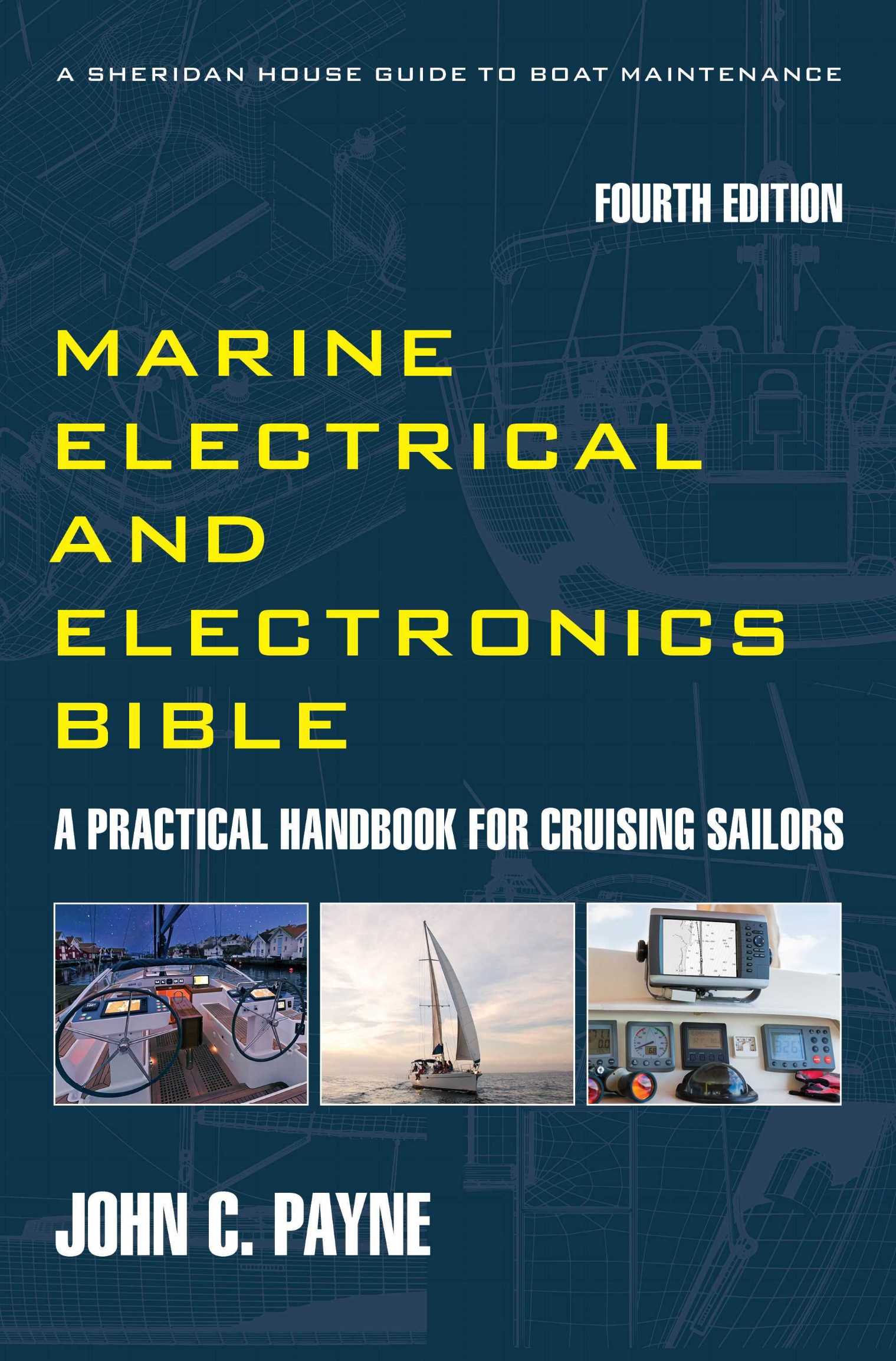
The Marine Electrical and Electronics
Bible 4th Edition
The latest edition of my book has a complete Caribbean Island communications guide in Chapter 34.35. Caribbean VHF Channels with Island by Island coverage of all weather forecast sources, VHF nets and more. This also covers virtually every cruising location globally from the Pacific to the Mediterranean for VHF weather forecasts and channels.
Santa Marta Yacht
Cruising Guide - Local Weather
Weather follows the southern Caribbean pattern, with northeast trades between 15–25 kn and stronger gusts near the Sierra Nevada. The harbour is calm in settled conditions but can experience strong nighttime winds. Rainfall is seasonal, with heavier showers during the wet season. The region lies outside the main hurricane belt, but caution remains essential during peak Caribbean storm months.
Santa Marta Yacht
Cruising Guide - Provisioning
Supermarkets. Full provisioning is centred on large, named supermarkets in the city. Jumbo – Ocean Mall provides the widest range of fresh produce, meat, dairy, frozen goods, bakery items, beverages, and imported staples. Éxito Buenavista Santa Marta offers full‑scale provisioning with reliable stock levels across all categories. Carulla, with two branches in the city, supplies higher‑end goods, including imported items, deli products, and consistent fresh produce. Olímpica, provides broad provisioning with strong availability of fresh produce, meat, dairy, and packaged staples. Secondary provisioning is available at Ara, and at Mercasam on Av. El Ferrocarril, which carry packaged goods, beverages, and limited produce suitable for mid‑cruise top‑ups.
Markets. Fresh produce is sourced primarily from Mercado Público de Santa Marta, the city’s main early‑morning market supplying fruit, vegetables, herbs, and local staples. Additional produce stalls operate in the El Mercado district, offering consistent availability of seasonal items.
Fish Markets. Fresh fish is obtained from local fishermen operating at the Mercado Público de Santa Marta and along the waterfront near the central district. Supply varies with weather and catch but is generally reliable. Additional small‑scale fish sales occur in Taganga, where fishermen land daily catches in settled conditions.
Santa Marta Yacht
Cruising Guide - Local Cuisine
Mojarra frita is whole mojarra fish fried in oil and served with coconut rice, patacones, and lime. Sancocho de pescado is a coastal fish stew made with local fish, yuca, plantain, and broth seasoned with onion, garlic, and cilantro. Arroz con coco is rice cooked in reduced coconut milk with salt and panela and served as a staple side. Cazuela de mariscos is a mixed seafood casserole of shrimp, fish, squid, and shellfish in a coconut‑milk base with garlic and onion. Arepa de huevo costeña is a deep‑fried corn arepa filled with an egg. Patacones are twice‑fried green plantain slices served salted. Pescado en salsa criolla is fish cooked in a tomato, onion, garlic, and bell‑pepper sauce. Bollo de yuca is steamed cassava dough wrapped in leaves. Carimañolas are fried yuca pastries filled with seasoned meat. Suero costeño is a fermented dairy sauce used as a condiment with fried fish and plantains
Santa Marta Yacht
Cruising Guide - Fuel Supplies
Fuel is available at Marina Internacional de Santa Marta, where diesel and petrol can be taken directly at the fuel dock. Supply is reliable, and larger volumes can be arranged through marina offices.
Santa Marta Yacht
Cruising Guide - Water Supplies
Potable water is available at marina docks through hose connections. Yachts at anchor take water by jerry can. Water makers reduce reliance on shore supply but are not essential for short stays.
Mechanical and Electrical Repairs
Resource
If you are headed somewhere remote consider the need to expand your knowledge base or have an information resource on board. Why not get a copy of my book The Marine and Electrical and Electronics Bible 4th Edition. By and for yachties, with everything from batteries and charging, solar and wind, diesel engines and marine electronics and so much more. Your complete systems guide. 650 pages of practical advice. In Australia and New Zealand order a copy through Boat Books. UK and European boats can buy the UK Edition Here. US and Canadian boats can get the US Edition Order Here. Marine systems are my profession so let me help you. By a liveaboard boat owner for other boat owners

Santa Marta Yacht
Cruising Guide - Marine
Services
Marine services include mechanical, electrical, and basic rigging support, with parts and repairs available through local operators. There is no major haul‑out yard; significant repairs are handled in Cartagena or Curaçao.
Santa Marta Yacht
Cruising Guide - Local Customs
Local behaviour is courteous and direct. Respect for port‑control procedures, controlled dinghy speeds near shore, and proper waste disposal are expected. Clearance rules are straightforward, and interactions with marina staff and local authorities are conducted in plain language.
Santa Marta Yacht
Cruising Guide - Summary
Santa Marta Yacht Cruising Guide - Santa Marta provides deepwater approaches, multiple anchorages with 10–20 m depth profiles, and strong provisioning and marina services. Marina Internacional de Santa Marta serves as the operational centre, while Taganga and Tayrona offer limited, weather‑dependent alternatives. Navigation is straightforward in settled conditions, with katabatic winds being the primary operational consideration. Santa Marta Yacht Cruising Guide for all you need to know