Puerto Rico Yacht
Cruising Guide
Puerto Rico Yacht Cruising Guide. Puerto Rico is the largest island in the Spanish Virgin Islands group, with deepwater approaches, mixed Atlantic and Caribbean exposure, and a well‑developed marine infrastructure centred on Fajardo and San Juan. Navigation is straightforward in settled conditions, though the north coast faces Atlantic swell and requires disciplined weather planning. The east coast provides access to Culebra, Vieques, and the surrounding cays, forming a compact cruising ground with predictable trade‑wind conditions.
The sailing environment is shaped by the northeast trades, typically 12–20 kn, with moderate seas offshore and calmer conditions on the Caribbean side. The north coast is exposed to swell, while the south and east coasts offer more reliable shelter. Marine services are comprehensive in Fajardo and San Juan, with additional support in Ponce and Mayagüez.
Puerto Rico Yacht
Cruising Guide - Approaches
Approaches vary by coast:
- East Coast (Fajardo / Spanish Virgin Islands). Deepwater approaches with depths above 40–80 m until close to shore. Marina channels carry 3–5 m depending on facility. Approaches to Culebra and Vieques are clear, with depths reducing from 30 m to 10–15 m over sand.
- North Coast (San Juan / Atlantic). Exposed to swell with depths above 100 m offshore, shoaling to 20–30 m near the coast. San Juan Harbour has a wide, well‑marked entrance channel carrying 12–15 m, suitable for all yacht sizes.
- South Coast (Caribbean Sea). More sheltered with deepwater approaches above 50–100 m, shoaling gradually to 10–20 m near Ponce and Salinas. Channels into marinas carry 3–5 m.
Tidal range is small at 0.3–0.6 m, but wind‑driven set can be significant on the north coast. Sea states offshore are moderate to rough depending on swell direction.
Puerto Rico Yacht
Cruising Guide - Anchorages
Puerto Rico’s anchorages vary by coast:
- East Coast (Fajardo / Culebra / Vieques). Primary cruising area. Ensenada Honda (Culebra) offers 3–10 m over sand and mud with excellent shelter. Dakity (Culebra) provides 3–5 m over sand with good protection. Vieques anchorages such as Sun Bay and Esperanza offer 5–10 m over sand with moderate shelter.
- North Coast. Limited due to swell. San Juan has no practical anchorage for yachts; berthing is marina‑only.
- South Coast. Ponce offers 5–10 m over mud with moderate shelter. Salinas provides 3–6 m over mud with excellent protection.
Dinghy access is straightforward in all major anchorages, with established docks and predictable landing points.
Puerto Rico Yacht
Cruising Guide - Entry Formalities
Puerto Rico is a US territory, and clearance is conducted through US Customs and Border Protection (CBP). Ports of entry include San Juan, Fajardo, Ponce, and Mayagüez. Clearance requires vessel registration, passports, crew list, and last port clearance. Yachts arriving from outside US territory must complete full CBP formalities. Firearms must be declared and secured under CBP authority. Communications equipment such as Starlink must comply with US telecommunications regulations. Quarantine rules apply to fresh produce and waste disposal.
Puerto Rico Yacht
Cruising Guide - Marina Facilities
- Puerto del Rey Marina (Fajardo). One of the largest marinas in the Caribbean. Entrance channel carries 4–5 m with inner basin depths of 3–4 m. Provides fuel, water, power, haul‑out capability, mechanical and electrical workshops, rigging services, sail repair, and comprehensive chandlery supply.
- Sunbay Marina (Fajardo). Entrance channel 3–4 m, inner depths 3–4 m. Offers fuel, water, power, and limited mechanical support.
- San Juan Bay Marina (San Juan). Entrance channel 12–15 m, inner depths 3–5 m. Provides fuel, water, power, and basic mechanical services.
- Ponce Yacht & Fishing Club (South Coast). Entrance channel 3–4 m, inner depths 3–4 m. Offers fuel, water, power, and limited repair capability.
- Mayagüez has limited marina facilities; anchoring is possible outside the commercial port.
Puerto Rico Yacht
Cruising Guide - Local Weather
Weather is dominated by the northeast trades, typically 12–20 kn, producing moderate seas offshore and calmer conditions on the Caribbean side. The north coast is exposed to Atlantic swell, which can render anchorages untenable. Rainfall is seasonal, with higher frequency during the wet season. Hurricane season from June to November requires conservative planning; Puerto Rico has no cyclone‑grade anchorages, though marinas offer some protection.
The Marine Electrical and Electronics
Bible 4th Edition
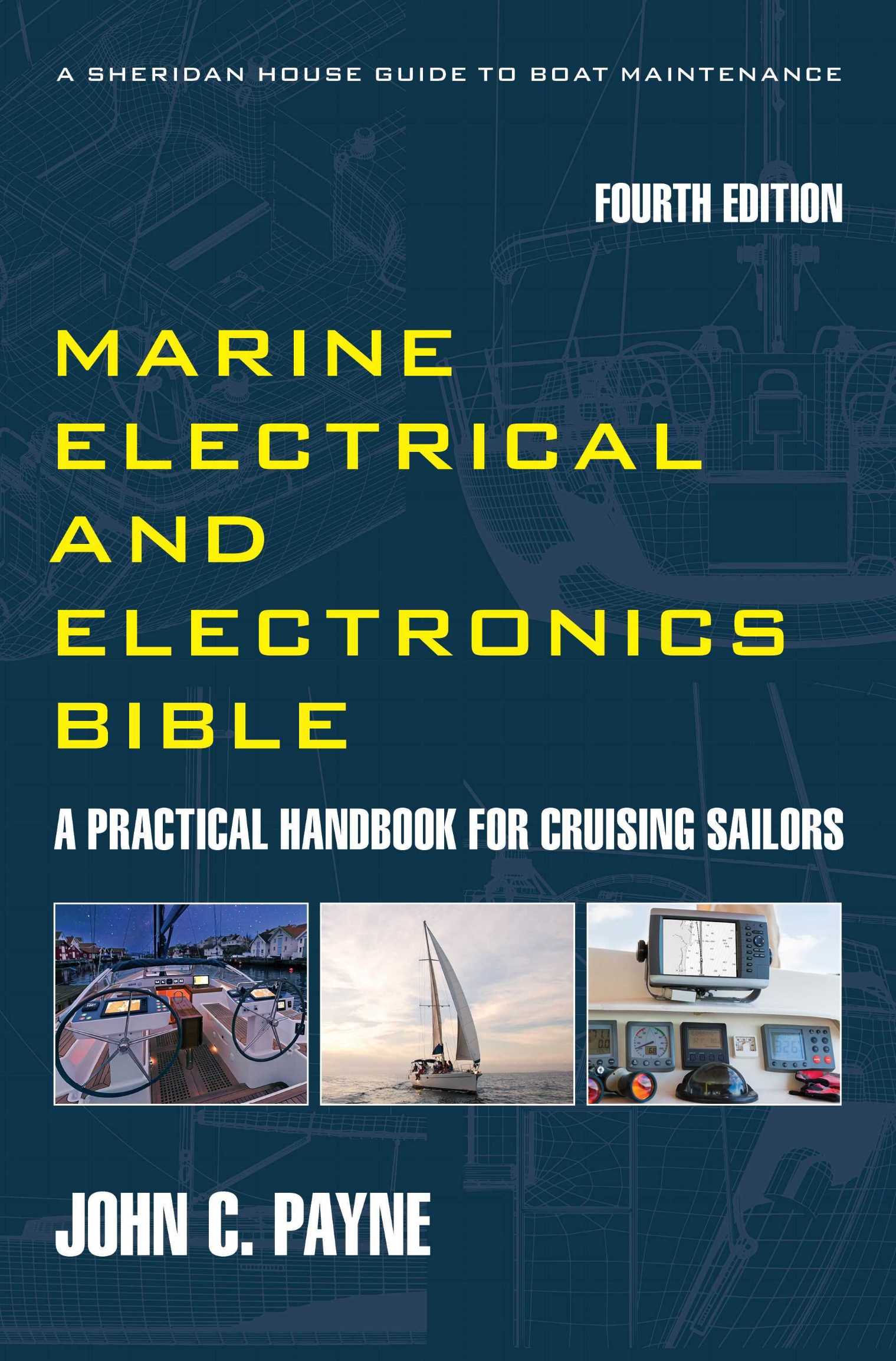
The latest edition of my book has a complete Caribbean Island communications guide in Chapter 34.35. Caribbean VHF Channels with Island by Island coverage of all weather forecast sources, VHF nets and more. This also covers virtually every cruising location globally from the Pacific to the Mediterranean for VHF weather forecasts and channels.
Puerto Rico Yacht
Cruising Guide - Provisioning
Supermarkets. Econo (island‑wide) provides full provisioning loads including fresh produce, meat, dairy, frozen goods, beverages, and packaged staples. Pueblo (San Juan / Fajardo) offers similar coverage with a broad range of imported and regional products. Costco (San Juan) supports bulk provisioning for long passages. A lot of large supermarkets in San Juan including Supermax and Freshmart. A lot of imported products from the US and some expensive
Markets. The major markets in San Juan are the La Hacienda and the El Market. For good fresh local produce visit the Mercado Agrícola de Dorado. Smaller markets in Fajardo, Ponce, and Mayagüez provide fresh produce depending on delivery schedules.
Seafood Markets. For fresh fish call in at Alan’s Market. At the other end of the island is Pescaderia Belmaris Delmar. Waterfront vendors in Fajardo, Ponce, and San Juan supply fresh local fish including mahi‑mahi, tuna, kingfish, and reef species.
Puerto Rico Yacht
Cruising Guide - Local Cuisine
The national dish is Arroz con gandules which is rice, pigeon peas with pork shoulder (Pernil) or smoked ham. Local cuisine is based on seafood, stewed meats, and Puerto Rican staples. Mofongo is a mashed plantain dish served with fish, chicken, or pork. Bacalaítos are fried saltfish fritters made from salted cod mixed with flour and pepper. Asopao de Pollo is a thick chicken and rice stew. Pescado Frito uses whole fried fish such as snapper or grouper. Side dishes include Tostones, Sweet Plantains, Rice and Beans, and Yuca.
Puerto Rico Yacht
Cruising Guide - Fuel Supplies
Fuel is available at Puerto del Rey, Sunbay Marina, San Juan Bay Marina, and Ponce Yacht Club, with diesel and petrol dispensed at dockside pumps. Yachts at anchor refuel by jerry can if preferred. Fuel quality is reliable across major marinas.
Puerto Rico Yacht
Cruising Guide - Water Supplies
Potable water is available at all major marinas through dockside hose connections. Yachts at anchor take water by jerry can. Water makers reduce reliance on shore supply but are not essential for short stays.
Mechanical and Electrical Repairs
Resource
If you are headed somewhere remote consider the need to expand your knowledge base or have an information resource on board. Why not get a copy of my book The Marine and Electrical and Electronics Bible 4th Edition. By and for yachties, with everything from batteries and charging, solar and wind, diesel engines and marine electronics and so much more. Your complete systems guide. 650 pages of practical advice. In Australia and New Zealand order a copy through Boat Books. UK and European boats can buy the UK Edition Here. US and Canadian boats can get the US Edition Order Here. Marine systems are my profession so let me help you. By a liveaboard boat owner for other boat owners

Puerto Rico Yacht
Cruising Guide - Marine Services
Marine services are comprehensive in Fajardo and San Juan, with haul‑out capability, mechanical repair, electrical work, rigging support, sail repair, welding, fiberglass repair, and extensive chandlery supply. Ponce and Mayagüez offer limited mechanical and electrical services. There are no dedicated Volvo or Yanmar agents, but general diesel mechanics and parts suppliers are available.
Puerto Rico Yacht
Cruising Guide - Local Customs
Local behaviour is reserved and orderly. Respect for private property, controlled dinghy speeds near shore, and adherence to anchoring and waste‑disposal rules are expected. Public behaviour is conservative, and noise should be kept low near residential areas. Interactions with local residents are straightforward and conducted in plain language.
Puerto Rico Yacht
Cruising Guide - Summary
Puerto Rico provides deepwater approaches, comprehensive marine services on the east and north coasts, and reliable anchorages in the Spanish Virgin Islands region. Navigation is straightforward in settled conditions, provisioning is reliable, and operational demands vary by coast, with the Atlantic side requiring disciplined weather planning. Puerto Rico Yacht Cruising Guide for all you need to know