Porto Santo Cruising
Guide
Porto Santo cruising guide. Porto Santo sits northeast of Madeira and is the first reliable landfall for yachts arriving from mainland Portugal or the Iberian west coast. The island is small, low‑lying and far less mountainous than Madeira, which gives it more stable wind behaviour but leaves it more exposed to Atlantic swell.
The coastline is predominantly open beach and rocky shoreline with no natural shelter, and all yacht access is concentrated at the artificial harbour on the southeast corner. Porto Santo is used as a staging point for yachts heading to Madeira, the Canaries or directly into the Atlantic trades, and its marina provides a quieter, more predictable environment than Funchal during heavy swell periods.
Porto Santo Cruising
Guide - Approaches
Approaches to Porto Santo are straightforward, with deep water close in and the seabed rising gradually rather than abruptly. The harbour lies behind a substantial breakwater that provides good protection from prevailing NE winds and moderate swell. The entrance is wide and well‑marked, with depths suitable for all cruising yachts. Surge can develop when long‑period swell arrives from the northwest, but the harbour remains workable in most conditions. The island’s low profile makes it visible later than Madeira, and radar is useful in reduced visibility. Traffic is light, and port control maintains simple, predictable procedures.
Porto Santo Cruising
Guide - Anchorage
Anchoring off Porto Santo is limited by exposure and swell. The long southern beach offers a broad area of sand, but swell wrap and onshore winds make it unreliable for overnight use. Holding is generally good in sand, but the anchorage becomes uncomfortable quickly when swell increases. Most yachts proceed directly into the marina rather than anchor, as the harbour provides far more predictable shelter and avoids the persistent roll that affects the open beach.
Porto Santo Cruising
Guide - Entry Formalities
Entry procedures mirror those of Madeira and mainland Portugal. Yachts report to the marina or port authority with vessel registration, passports and crew list. Schengen rules apply. Firearms must be declared, and pets require EU‑compliant veterinary documentation. Harbour authorities may inspect safety equipment and waste‑management compliance. Formalities are generally efficient, and the smaller scale of the port means delays are rare.
Porto Santo Cruising
Guide - Marina Facilities
Porto Santo Marina provides sheltered berthing with depths suitable for all cruising yachts. The basin is well protected from NE winds and moderate swell, and movement inside the marina is minimal compared to Madeira during heavy weather. Shore power and potable water are available at all berths, and fuel is supplied via a dockside pump. Technical support is limited to basic mechanical and electrical assistance, and chandlery stock is minimal. There is no haul‑out capability for larger yachts, and vessels requiring significant work route to Madeira or the Canary Islands. The marina is calm, predictable and widely regarded as one of the most comfortable stops in the region.
Porto Santo Cruising
Guide - Local Weather
Weather is influenced by the same systems that affect Madeira, but Porto Santo’s lower elevation produces more uniform wind patterns and fewer gusts. NE trades dominate in summer, with steady winds and moderate seas. Winter brings more variable conditions, including occasional strong southerlies and long‑period swell from Atlantic lows. Swell from the northwest can wrap around the island and affect the harbour entrance, but the breakwater provides effective protection. Fog is uncommon, and visibility is generally good.
Porto Santo Cruising
Guide - Provisioning
Supermarkets. Provisioning on Porto Santo is centred on Supermercado Pingo Doce Porto Santo, which carries fresh produce, dairy, meat, bakery items, dry stores, long‑life goods and frozen products with stable turnover sufficient for short‑range restocking. Supermercado Vila Baleira provides additional fresh produce, packaged foods, beverages and household items suitable for routine top‑ups. Stock levels on the island depend on inter‑island transport, and yachts preparing for ocean passages normally complete full provisioning in Madeira rather than Porto Santo.
Markets. The Vila Baleira Municipal Market supplies vegetables, fruit, herbs, local cheeses and small‑scale regional produce with availability varying by season and ferry schedules. A limited number of independent produce stalls operate in the town centre with variable stock and irregular hours.
Fish Markets. Fish supply is informal and centred on the harbour area, where local fishermen sell tuna, bonito, mackerel and coastal species in the morning when weather and catch permit. There is no structured fish market on the island, and supply varies daily.
Porto Santo Cruising
Guide - Local Cuisine
Local cuisine in Porto Santo is based on coastal fish, simple meat dishes and staples shared with Madeira. Espada and atum are served grilled or stewed with onions, garlic and vinegar in the traditional atum de cebolada. Caldo de peixe is prepared from local coastal species with potatoes and onions. Beef and pork dishes follow Madeira patterns, including espetada seasoned with garlic and salt and cooked over embers, and carne de vinha d’alhos marinated in wine, garlic and spices. Milho frito uses fried maize cubes as a staple side dish, and bolo do caco is cooked on a hot stone and served with garlic butter. Availability of fresh produce and fish varies with ferry schedules and weather.
Porto Santo Cruising
Guide - Fuel Supplies
Fuel is available at the marina via a dockside pump, with reliable supply and straightforward access. Swell rarely affects fuelling operations, and the harbour’s sheltered position makes refuelling predictable even during unsettled weather.
Porto Santo Cruising
Guide - Water Supplies
Potable water is available at all marina berths and at the fuel dock. Supply is reliable, and water quality is consistent with Madeira. There is no rationing, and tank filling is straightforward.
Mechanical and Electrical Repairs
Resource
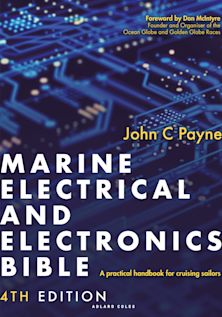
If you are headed somewhere remote consider the need to expand your knowledge base or have an information resource on board. Why not get a copy of my book The Marine and Electrical and Electronics Bible 4th Edition. By and for yachties, with everything from batteries and charging, solar and wind, diesel engines and marine electronics and so much more. Your complete systems guide. 650 pages of practical advice. In Australia and New Zealand order a copy through Boat Books. UK and European boats can buy the UK Edition Here. US and Canadian boats can get the US Edition Order Here. Marine systems are my profession so let me help you. By a liveaboard boat owner for other boat owners

Porto Santo Cruising
Guide - Marine Services
Marine services are limited to basic mechanical and electrical assistance. There is no haul‑out capability for larger yachts, and chandlery stock is minimal. Skippers requiring significant repairs route to Madeira or the Canary Islands, where full‑service yards and larger chandleries are available.
Porto Santo Cruising
Guide - Local Customs
Harbour operations are straightforward, with clear authority control and predictable procedures. Waste‑management rules are enforced, and visiting yachts are expected to comply with local restrictions on anchoring and fishing. The port operates efficiently, and interactions with authorities are generally simple
Porto Santo Cruising
Guide - Summary
Porto Santo provides a calm, predictable harbour, reliable fuel and water, and adequate short‑term provisioning for yachts arriving from mainland Portugal or staging toward Madeira and the Canary Islands. Approaches are simple, anchoring is limited by exposure, and marina shelter is excellent. Weather is shaped by the same systems that influence Madeira but with fewer gusts and more stable wind patterns. Porto Santo functions as a dependable staging point rather than a full‑service destination and is valued for its simplicity, shelter and operational reliability. The Porto Santo Cruising Guide for all you need to know.