Petite Martinique Yacht
Cruising Guide
Petite Martinique Yacht Cruising Guide. Petite Martinique lies just east of Carriacou and north of Petit St Vincent, forming the northeastern tip of Grenada’s tri‑island state. It is a small, steep‑sided volcanic island with deepwater approaches, a single functional anchorage on the west side, and minimal infrastructure. Navigation is straightforward in settled trade‑wind conditions, with deep water close to shore and predictable sea states.
The island is used primarily as a provisioning and fuel stop for yachts moving between Carriacou and the southern Grenadines. The sailing environment is shaped by the northeast trades, typically 15–22 kn, with moderate seas offshore and calmer conditions on the west side. Marine services are minimal but operationally useful for fuel and water.
Petite Martinique
Yacht Cruising Guide - Approaches
Approaches to Petite Martinique are deep and unobstructed, with depths above 40–80 m until close to the island. The west coast shoals gradually to 20–30 m before rising into the anchorage area off the main village. The approach is clear, with no significant hazards in settled conditions.
The east and southeast coasts are exposed to Atlantic swell, with depths reducing rapidly from 30 m to 5–10 m near fringing reefs. These coasts are not used for routine approaches. Tidal range is small at 0.3–0.6 m, and currents are weak, with minor set between Petite Martinique and Petit St Vincent during fresh trades.
Petite Martinique
Yacht Cruising Guide - Anchorage
The primary anchorage is on the west coast, off the main village:
- West Coast Anchorage. 10–20 m over sand and patches of mud with moderate shelter from the prevailing trades. Holding is generally good. Exposure increases during northerly swell.
- Southwest Anchorage (toward PSV). 10–15 m over sand with limited shelter; suitable only in settled conditions.
There are no anchorages on the east or southeast coasts due to swell and reefs. Dinghy access is straightforward via the main village beach or the small pier.
Petite Martinique Yacht Cruising Guide - Marina Facilities
Petite Martinique has no marina and no haul‑out facilities. A pontoon in the main village provides fuel and water access for visiting yachts. Depths at the pontoon are suitable for dinghies and shallow‑draft vessels; most yachts anchor and run jerry cans. There are no berths with shore power, no chandlery, and no yacht‑specific infrastructure.
The Marine Electrical and Electronics
Bible 4th Edition
The latest edition of my book has a complete Caribbean Island communications guide in Chapter 34.35. Caribbean VHF Channels with Island by Island coverage of all weather forecast sources, VHF nets and more. This also covers virtually every cruising location globally from the Pacific to the Mediterranean for VHF weather forecasts and channels.
Petite Martinique
Yacht Cruising Guide - Local Weather
Weather is dominated by the northeast trades, typically 15–22 kn, producing moderate seas offshore and calmer conditions on the west side. Swell from the north can affect the anchorage during winter systems, creating roll and surf at dinghy landing points. Rainfall is seasonal, with passing showers common. Hurricane season from June to November requires conservative planning; Petite Martinique does not provide cyclone‑grade shelter.
Petite Martinique
Yacht Cruising Guide - Provisioning
Supermarkets. Small village shops provide basic provisioning: packaged staples, beverages, limited fresh produce, and frozen goods. Stock is adequate for short‑term needs but not for full provisioning. Major provisioning is done in Carriacou (Hillsborough or Tyrell Bay).
Markets. Local vendors sell small quantities of fresh produce depending on delivery schedules. Availability is variable.
Fish Markets. Local fishermen sell fresh catch directly at the waterfront when available. Species include mahi‑mahi, tuna, kingfish, and reef fish. Supply is weather‑dependent.
Petite Martinique
Yacht Cruising Guide - Local Cuisine
Local cuisine is based on seafood and Grenadian staples. Fried Jackfish is common, served with rice or ground provisions. Oil Down appears in simplified forms using breadfruit and salted meat or fish. Pelau combines rice, chicken, and pigeon peas. Stewed Saltfish is prepared with onions, peppers, and tomato. Side dishes include Rice and Peas, Plantain Fry, Breadfruit Roast, and Dasheen. Seasoning is mild to moderate, using thyme, onion, garlic, and local herbs.
Petite Martinique
Yacht Cruising Guide - Fuel Supplies
Fuel is available at the village pontoon, where yachts can refuel directly or by jerry can. Supply is generally reliable but should be confirmed locally for larger volumes.
Petite Martinique Yacht Cruising Guide - Water Supplies
Potable water is available at the village pontoon for jerry‑can transfer to yachts. There are no dockside hose connections for deep‑draft vessels. Water makers reduce reliance on shore supply.
Mechanical and Electrical Repairs
Resource
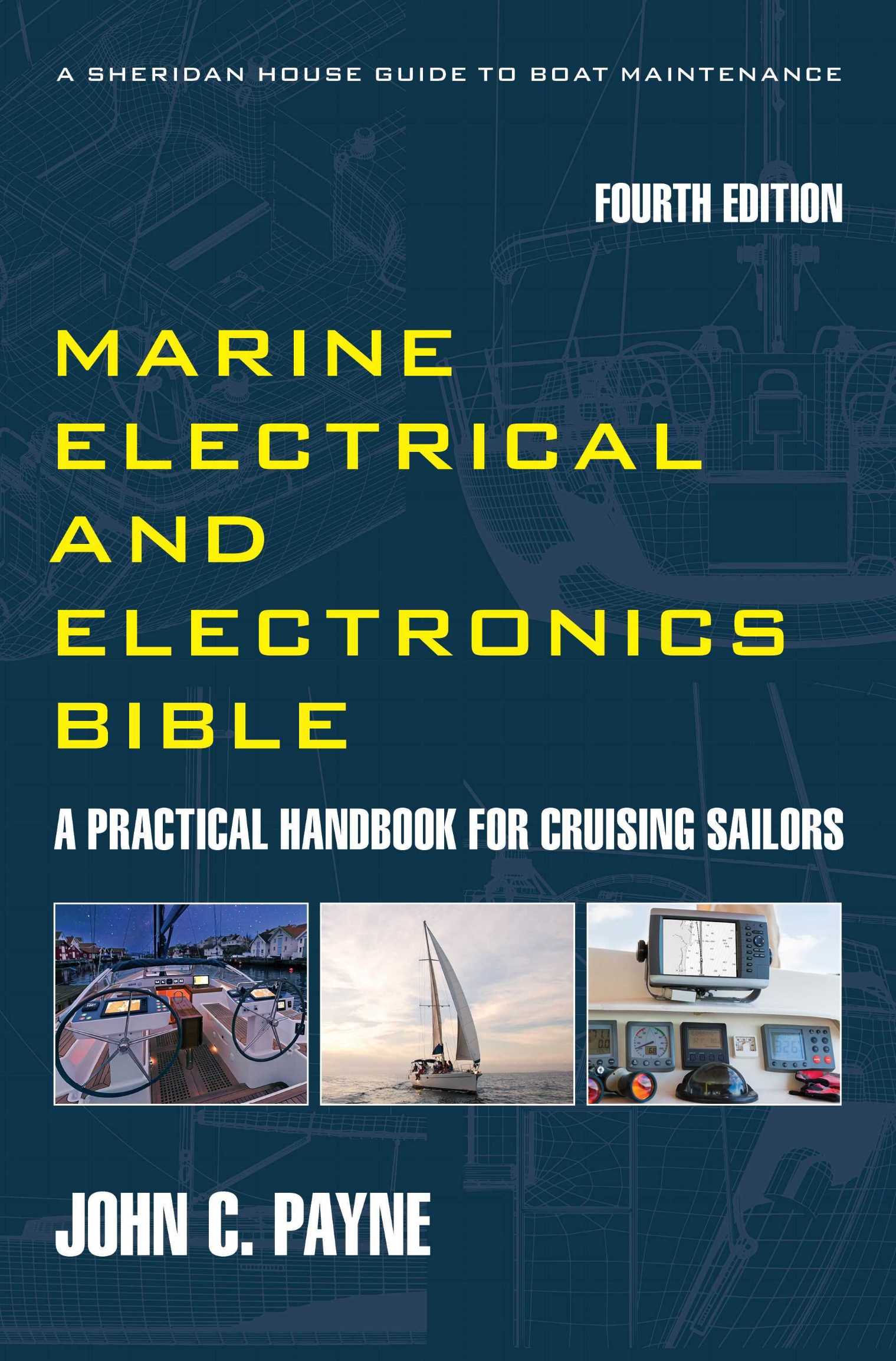
If you are headed somewhere remote consider the need to expand your knowledge base or have an information resource on board. Why not get a copy of my book The Marine and Electrical and Electronics Bible 4th Edition. By and for yachties, with everything from batteries and charging, solar and wind, diesel engines and marine electronics and so much more. Your complete systems guide. 650 pages of practical advice. In Australia and New Zealand order a copy through Boat Books. UK and European boats can buy the UK Edition Here. US and Canadian boats can get the US Edition Order Here. Marine systems are my profession so let me help you. By a liveaboard boat owner for other boat owners

Petite Martinique
Yacht Cruising Guide - Marine Services
Marine services are minimal. Local workshops handle small‑boat repairs, outboard servicing, and basic mechanical work. There are no rigging services, sail lofts, or yacht‑specific mechanical shops. Specialized parts and major repairs require transit to Carriacou (Tyrell Bay) or Grenada (Prickly Bay / St George’s).
Petite Martinique
Yacht Cruising Guide - Local Customs
Local behaviour is informal and courteous. Respect for private property, low dinghy speeds near shore, and proper waste disposal are expected. Noise should be kept low near residential areas. Interactions are straightforward and conducted in plain language.
Petite Martinique
Yacht Cruising Guide - Summary
Petite Martinique provides deepwater approaches, a functional anchorage on the west coast, and essential fuel and water access via the village pontoon. Marine services and provisioning are minimal, and yachts must remain largely self‑sufficient. Navigation is straightforward in settled conditions, with exposure and swell dictating anchorage comfort. Petite Martinique Yacht Cruising Guide for all you ned to know