Palm Island Yacht
Cruising Guide
Palm Island Yacht Cruising Guide. Palm Island lies just southeast of Union Island and functions as a private‑resort island with no public yacht facilities, no provisioning, and no shore access for visiting yachts. It sits inside the same reef system that shapes the eastern approaches to Clifton and Ashton, with deepwater access from the west and southwest and reef‑dominated shallows on the east. Navigation is straightforward in settled trade‑wind conditions, with depths remaining above 40–60 m offshore and shoaling predictably toward the island’s western side.
The sailing environment is shaped by the northeast trades, typically 15–22 kn, with moderate seas offshore and calmer conditions inside the reef‑protected waters between Palm Island and Union Island. The eastern and southeastern coasts are fully exposed to Atlantic swell, with depths dropping rapidly from 30 m to 5–10 m over coral shelves. Palm Island provides no services, no anchorage infrastructure, and no operational support; yachts use it only as a visual waypoint or a brief, settled‑weather stop in the lee.
Palm Island Yacht
Cruising Guide - Approaches
Approaches from the west and southwest are clear, with depths above 40–60 m until close to the island, shoaling to 10–20 m over sand and grass inside the shared lagoon with Union Island. Approaches from the east, northeast, and southeast are reef‑fringed and exposed to Atlantic swell, with depths dropping from 30 m to 5–10 m near the reef line. These sectors require daylight and visual navigation and are not used for routine entry. Tidal range is small at 0.3–0.6 m, and currents are weak, with minor set between Palm Island and Clifton during fresh trades.
Palm Island Yacht
Cruising Guide - Anchorage
Anchoring is possible only on the western side of Palm Island, where depths run 10–15 m over sand with moderate shelter from the prevailing trades. Holding is generally reliable, but the anchorage is small, exposed to traffic between Union Island and the southern Grenadines, and sensitive to swell wrap during northerly systems. The shoreline is controlled by the resort, and landing is restricted; yachts remain at anchor without using the beach. The eastern and southern sides of the island offer no viable anchorage due to reefs and exposure, with depths shoaling to 5–10 m over coral.
Palm Island Yacht
Cruising Guide - Marina Facilities
Palm Island has no marina, no docks for visiting yachts, and no haul‑out capability. The island does not provide fuel, water, or chandlery access. All operational support is taken in Union Island (Clifton or Ashton) or in Carriacou. Dinghy access is limited to calm conditions and is generally discouraged due to the island’s private‑resort status.
Palm Island Yacht
Cruising Guide - Local Weather
Weather follows the standard Windward Islands pattern, with northeast trades between 15–22 kn and moderate seas offshore. The western side of the island is usually calm but becomes uncomfortable during northerly swell events. Rainfall is seasonal, with passing showers common. The island offers no cyclone‑grade shelter and is not suitable for hurricane‑season lay‑up.
Palm Island Yacht
Cruising Guide - Provisioning
Supermarkets. There are no supermarkets on Palm Island. All provisioning is taken in Union Island (Clifton or Ashton), where moderate provisioning loads, fresh produce, frozen goods, beverages, and packaged staples are available.
Markets. There are no markets on the island. Fresh produce is sourced in Clifton, where small vendors supply fruit, vegetables, herbs, and local staples depending on delivery schedules.
Fish Markets. There is no fish market on Palm Island. Fresh fish is obtained in Clifton or from local fishermen operating between Union Island and the southern Grenadines.
Palm Island Yacht
Cruising Guide - Local Cuisine
Local cuisine is not operationally relevant, as the island’s food services are private to resort guests. Yachts do not rely on the island for meals or supplies, and no public dining options exist.
Palm Island Yacht
Cruising Guide - Fuel Supplies
Fuel is not available on Palm Island. All refuelling is done in Clifton, where diesel and petrol can be taken by jerry can or directly at small docks depending on depth and conditions.
Palm Island Yacht Cruising Guide - Water Supplies
Water is not available on the island. Yachts rely on onboard storage, water makers, or jerry‑can transfers from Union Island. There are no dockside hose connections or yacht‑service points.
Mechanical and Electrical Repairs
Resource
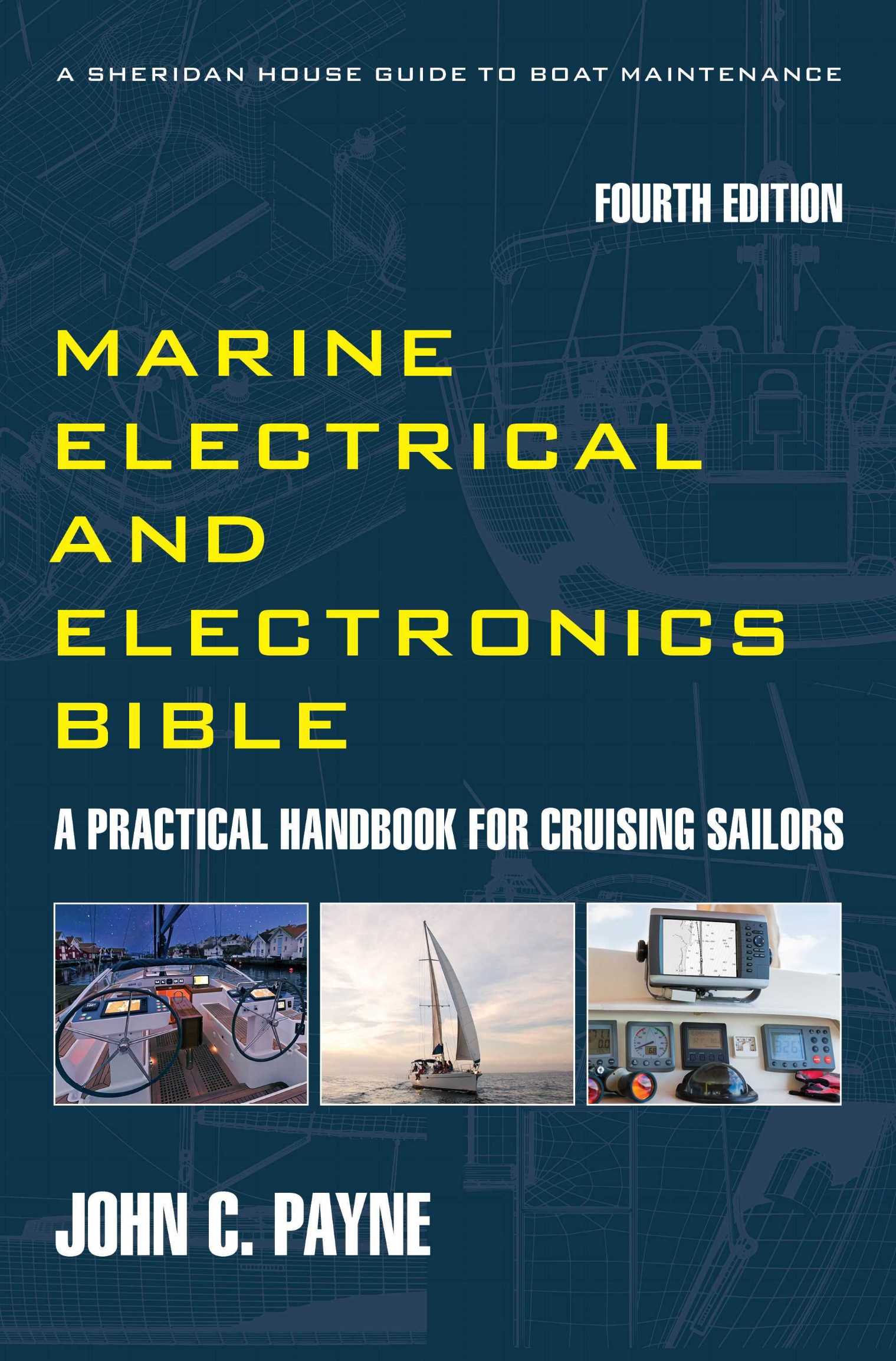
If you are headed somewhere remote consider the need to expand your knowledge base or have an information resource on board. Why not get a copy of my book The Marine and Electrical and Electronics Bible 4th Edition. By and for yachties, with everything from batteries and charging, solar and wind, diesel engines and marine electronics and so much more. Your complete systems guide. 650 pages of practical advice. In Australia and New Zealand order a copy through Boat Books. UK and European boats can buy the UK Edition Here. US and Canadian boats can get the US Edition Order Here. Marine systems are my profession so let me help you. By a liveaboard boat owner for other boat owners

Palm Island Yacht
Cruising Guide - Marine Services
Marine services are non‑existent. Any mechanical, electrical, rigging, or sail work is handled in Union Island, Carriacou, or Grenada. Palm Island functions strictly as a private‑resort landmass with no yacht‑support capability.
Palm Island Yacht
Cruising Guide - Local Customs
Local behaviour is courteous and low‑key. The resort’s private‑island status requires respect for restricted shore access. Noise should be kept low, and anchoring and waste‑management practices should be conservative. Interactions with resort staff are brief and straightforward.
Palm Island Yacht
Cruising Guide - Summary
Palm Island provides deepwater approaches, a small anchorage on the western side with 10–15 m over sand, and no services or provisioning. It is used as a brief, settled‑weather stop or waypoint between Union Island and the southern Grenadines. Operational demands are low in calm conditions but increase with swell exposure and wind shifts. Palm Island Yacht Cruising Guide for all you need to know.