Palau Cruising Guide for Yachts
Palau Cruising Guide for Yachts. Palau sits at the western edge of Micronesia and is a frequent waypoint for vessels sailing to Palau from the Philippines, Yap, Guam, and Papua New Guinea. For cruising yachts, it offers a compact but well‑organized maritime environment with protected lagoons, clear channels, and reliable access to essential supplies. Most yacht activity is centered around Koror and Malakal Harbor, where services, provisioning, and clearance offices are located.
The surrounding Rock Islands form a maze of channels and anchorages, many of which require permits and compliance with conservation rules. Yachts planning extended cruising should understand the local permit system, anchoring restrictions, and environmental regulations before moving beyond the main harbor. With proper preparation, Palau provides a functional base for maintenance, resupply, and exploration.
Palau Cruising Guide for Yachts - Navigation
The primary approach for yachts sailing to Palau is through the West Passage, leading into Malakal Harbor. Charts are accurate, but reef edges rise sharply, and squalls can reduce visibility, making daylight entry strongly recommended. The main channel is marked with lit buoys and ranges, and depths remain generous throughout the approach.
Currents near the outer reef can be noticeable, especially during spring tides. Once inside, the lagoon is calm and well‑protected. Malakal Harbor anchorage options are limited due to conservation zones, so most yachts use marinas or designated moorings. Movement into the Rock Islands requires state‑issued permits, and some anchorages are closed to protect marine habitats.
Palau Cruising Guide for Yachts - Entry
Protocols
All arriving yachts must proceed directly to the quarantine anchorage in Malakal Harbor and await clearance. Do not go ashore until all formalities are complete. Immigration, Customs, Quarantine, and Port State Control typically board the vessel. Required documents include passports, crew list, vessel registration, and last port clearance. As usual have multiple lists and copies of absolutely everything to save time. Fly the Yellow Q flag on arrival, and once cleared hoist the correct courtesy flag as shown below.
Palau entry requirements for yachts include biosecurity inspections. Fresh produce, meat, and plant materials may be restricted. Firearms must be declared. Many nationalities receive a 30‑day visa on arrival, with extensions available in Koror. A cruising permit is required for movement outside the main harbor, and Rock Islands permits apply to specific zones and anchorages. Fees change periodically, so checking current requirements before arrival is advisable.

Palau Cruising Guide for Yachts - Local
Weather
Palau lies just outside the main typhoon belt, though indirect effects such as large swells and unsettled weather can occur. The northeast trade‑wind season from December to April provides the most predictable conditions for Palau cruising information, with steady winds and moderate seas. The southwest monsoon from May to November brings lighter winds, increased rainfall, and more frequent squalls.
Visibility is generally good, but heavy rain can obscure reef features. Tidal ranges are modest, though currents in channels can be strong. Lightning activity increases during the wet season.
Palau Cruising Guide for Yachts - Provisioning
Provisioning in Palau is centered almost entirely around Koror, where all major supermarkets, markets, and seafood sources are located. Stock levels are reliable for imported goods, while local produce and fresh fish availability varies by season and by day. Prices reflect freight costs, but the range of products is generally sufficient for long‑term cruising preparation.
Supermarkets (Koror). These are the primary provisioning points for yachts. All are within a short taxi ride of Malakal Harbor. Surangel’s Supercenter (Surangel & Sons Co.) is the largest and most comprehensive supermarket in Palau. Wide range of U.S., Japanese, Korean, and regional imports. Good for bulk purchases before extended cruising. Attached hardware and home‑goods sections useful for boat spares, tools, and storage containers. WCTC Shopping Center (Western Caroline Trading Company) is long‑established supermarket with consistent stock. Payless Supermarket is smaller than Surangel’s and WCTC but well‑organized. Yano’s Market is a mid‑sized grocery store with a strong selection of Asian staples.
Traditional Markets (Local Produce). Local produce availability is limited compared to larger Pacific nations, but several markets provide fresh items when in season. Koror Public Market (Main Market) is the central hub for local vegetables, fruits, and prepared foods. Typical local produce includes Taro, Breadfruit (seasonal), Bananas, Papaya, Eggplant, Cucumbers, Local greens (kangkung, taro leaf). Asahi Market (Smaller Local Market) is located near residential areas, and offers small quantities of local vegetables and herbs. Roadside Stalls (Various Locations) appear irregularly along causeways and village roads selling bananas, papaya, coconuts, taro, and homemade snacks. Cash only. Plastic bags are restricted, so bring reusable bags
Fish Markets and Seafood Sources. Seafood availability is influenced by conservation rules, seasonal closures, and fishing conditions. Pelagic species are usually available; reef fish availability varies. Fishermen’s Dock (Near Koror–Malakal Causeway) is the most reliable source of fresh fish. Fishermen sell directly from boats in the early morning and late afternoon. Common pelagic species include Yellowfin tuna, Skipjack tuna, Wahoo, Mahi‑mahi and reef fish may be available depending on conservation restrictions. Koror Public Market (Fish Section) has a smaller selection than the fishermen’s dock and offers cleaned and portioned fish, and occasional availability of reef fish fillets, Octopus, Squid and small pelagic species. Roadside Vendors (Variable) but sell reef fish, parrotfish, surgeonfish, and rabbitfish when permitted Availability depends on fishing days and conservation rules, often sold whole, ungutted. Plastic bags are restricted, so bring reusable bags
Palau Cruising Guide for Yachts - Diesel
Fuel
Diesel is available at the commercial fuel dock in Malakal Harbor. The dock handles larger vessels, so yachts should approach with care and be prepared for strong fendering. Fuel quality is generally good, with low‑sulfur diesel commonly supplied. Jerrican filling is possible at nearby service stations if the dock is busy or conditions are unsuitable.
For larger quantities, advance notice is recommended. Some operators may require cash payment. Truck delivery to marinas may be possible depending on current regulations and marina policies.
Palau Cruising Guide for Yachts - Fresh
Water Supply
Potable water is available at marinas in Malakal Harbor. The municipal supply is treated, though many yachts choose to filter or further purify it. Water pressure can vary, so filling tanks may take time during peak usage. Jerrican filling is possible at several public taps around Koror, though not all are suitable for drinking water.
Rainwater collection is effective during the wet season. Water makers operate efficiently offshore, though lagoon water near Koror can become turbid after heavy rain.
Mechanical and Electrical Repairs
Resource
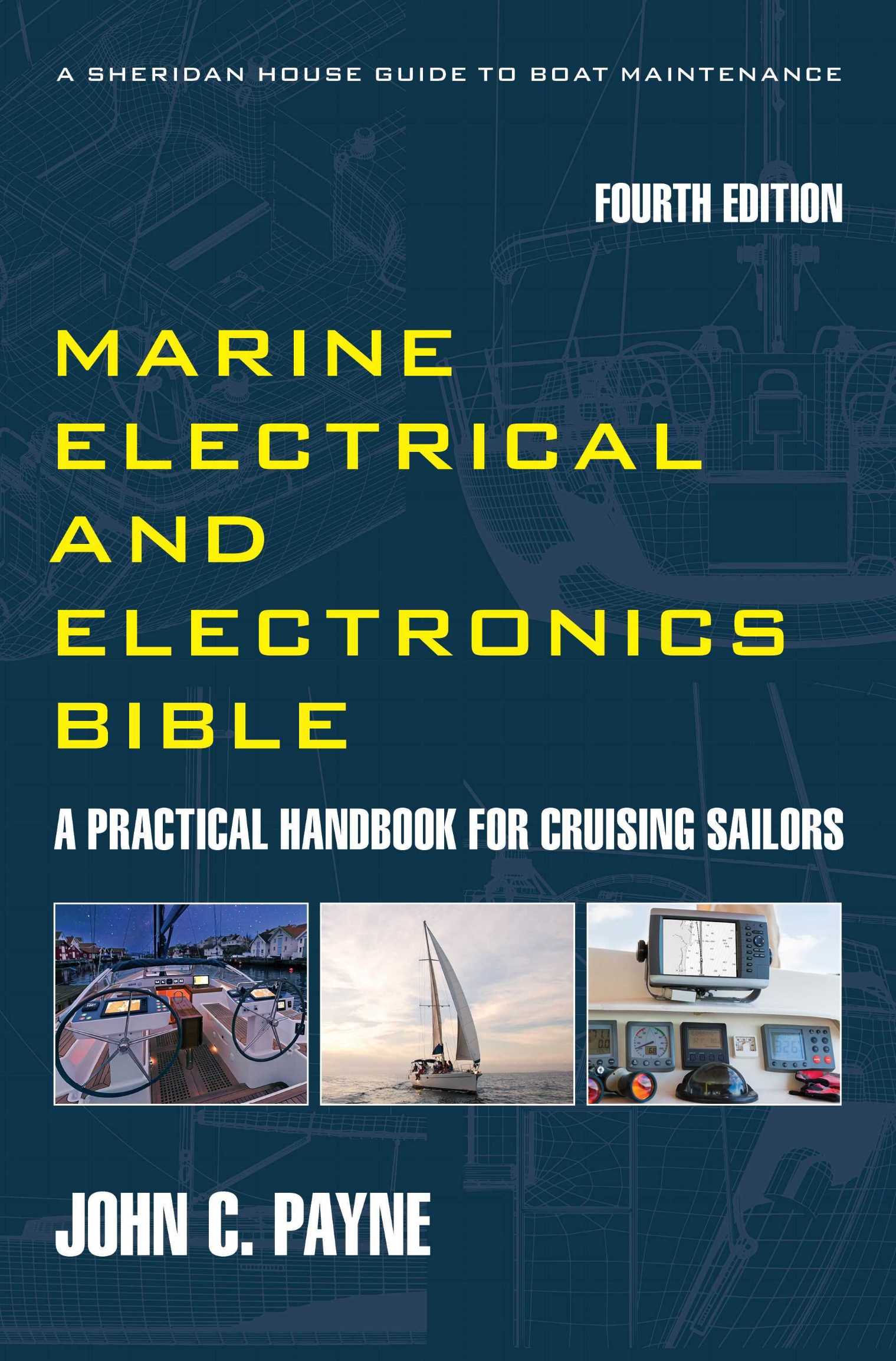
If you are headed somewhere remote consider the need to expand your knowledge base or have an information resource on board. Why not get a copy of my book The Marine and Electrical and Electronics Bible 4th Edition. By and for yachties, with everything from batteries and charging, solar and wind, diesel engines and marine electronics and so much more. Your complete systems guide. 650 pages of practical advice. In Australia and New Zealand order a copy through Boat Books. UK and European boats can buy the UK Edition Here. US and Canadian boats can get the US Edition Order Here. Marine systems are my profession so let me help you. By a liveaboard boat owner for other boat owners


Palau Cruising Guide for Yachts - Marine
Services
Palau offers a modest but functional range of marine services for visiting yachts. Mechanical, electrical, and welding work is available through small workshops that also service local fishing fleets. Skilled technicians are present, but availability can be limited during busy periods. Spare parts for common engines and generators may be found locally, but specialized components typically require importation.
Hull cleaning, fiberglass repairs, and canvas work are available on a limited basis. There is no large‑scale haul‑out facility for deep‑keel yachts, so major refits should be planned elsewhere. Routine maintenance is manageable with local resources.
Palau Cruising Guide for Yachts - Cultural
Requirements
Environmental protection is central to Palauan culture. Many areas, especially within the Rock Islands, are designated conservation zones with strict rules on anchoring, waste disposal, and access. Rangers patrol frequently, and yachts must comply with all permit requirements.
Dress standards are modest in towns and villages. Public alcohol consumption is discouraged. Sundays are quiet, with many businesses closed. Respect for traditional land and water rights is important; some beaches and waterways require permission from local chiefs or state authorities.
Palau Cruising Guide for Yachts - Local
Cuisine
Palauan cuisine blends local ingredients with influences from Japan, the Philippines, and the United States. Staples include taro, breadfruit, coconut, and fish. Common dishes include grilled fish, coconut‑based stews, and taro leaf preparations. Imported foods dominate restaurant menus, but small eateries offer local dishes such as taro soups and tapioca desserts. Seafood availability varies due to conservation rules. Pelagic species such as tuna, wahoo, and mahi‑mahi are common and widely consumed.
Palau Cruising Guide for Yachts -
Summary
A visit to Palau provides cruising yachts with a protected harbor, reliable provisioning, and clear entry procedures. Navigation requires attention to reefs and conservation zones, but the main channels are well‑marked. Services are adequate for routine maintenance, though major repairs may require outside support. Weather patterns are predictable enough for safe movement, especially during the trade‑wind season.
For crews seeking practical, well‑organized Palau cruising information, the country offers a functional base with manageable logistics and straightforward regulations. With proper permits and adherence to local rules, yachts can explore the Rock Islands while maintaining access to essential supplies and services. This Palau Cruising Guide for Yachts should help your passage planning.