Otaru Sailing Guide - Practical Cruising
Otaru sailing guide. Otaru is one of Hokkaido’s most atmospheric port cities, a historic harbor on the Sea of Japan coast known for its stone warehouses, canals, seafood markets, and long maritime heritage. For cruising yachts, Otaru is both a practical base and a cultural highlight: a deep, well‑protected port with excellent provisioning, reliable services, and easy access to the dramatic Shakotan Peninsula just to the west. It’s the natural staging point for crews exploring Hokkaido’s western coastline or preparing for the long run north toward Rumoi, Haboro, and Wakkanai.
The city sits in a broad, sheltered bay backed by steep hills, giving it a distinctive Amphitheatre feel. Otaru’s waterfront blends old trading warehouses with modern facilities, and its marina is one of the most yacht‑friendly in northern Japan. The town itself is compact, walkable, and full of character, a place where crews can enjoy good food, warm hospitality, and a comfortable reset before tackling the more exposed stretches of the Sea of Japan coast.
Otaru Sailing Guide - Approach &
Navigation
Otaru is straightforward to enter, but the Sea of Japan side demands respect. It is wide, deep approach with clear markers. Breakwaters provide excellent protection. Commercial traffic includes ferries and cargo ships. Summer fog common, especially in June–July. Winter swell can linger into early summer. The approach from the south is clean and well‑lit. From the west, crews should be alert for fog banks and fishing gear, especially during early summer. Radar and AIS are extremely helpful in this region, where visibility can drop suddenly. Once inside the harbor, depths are generous and maneuvering space is ample. The marina sits in a protected basin with easy access and clear signage. Even in strong winds, the inner harbor remains calm. Night entry possible with caution
Otaru Sailing Guide - Berthing &
Shelter
Otaru offers some of the best yacht‑friendly berthing in Hokkaido. Modern marina with floating pontoons. Deep, sheltered basin suitable for all yacht sizes. Strong breakwaters and excellent swell protection. Fuel and water are available nearby. Commercial port areas restricted. Winter conditions severe and marina closes seasonally. The marina is the preferred option for visiting yachts, offering secure berths, good facilities, and direct access to the city. The port handles ferries and commercial vessels, but yacht accommodation is well organized and separate from heavy traffic.
Otaru Sailing Guide – Weather
The cruising season runs from May to October, with July–September offering the best conditions. Fog is the defining challenge of early summer. Swell can wrap around the breakwaters during strong westerlies, but the inner harbor remains well protected. Typhoons rarely hit directly, but distant storms can send long‑period swell to the coast.
- Spring: Cool, lingering swell, increasing fog
- Summer: Warm, humid, fog common in June–July
- Autumn: Clear, crisp, excellent visibility
- Winter: Severe storms, heavy snow, not navigable
Otaru Sailing Guide - Provisioning
Otaru sits just northwest of Sapporo and has long served as a trading port, which gives it a well‑developed provisioning landscape. The city is small enough to navigate comfortably yet large enough to offer everything a yacht crew needs for full resupply. Supermarkets, traditional markets, and seafood halls cluster around the harbor and canal district, making provisioning straightforward and reliable throughout the year.
Supermarkets: Otaru’s provisioning is anchored by several major supermarkets, including Aeon Otaru, Coop Sapporo, and MaxValu, all of which carry a wide range of fresh vegetables, fruit, dairy, meat, seafood, dry goods, alcohol, and household supplies. These stores maintain stable stock year‑round, supported by Hokkaido’s strong agricultural and dairy production. For crews, these supermarkets provide an easy, dependable base for full provisioning, with everything from bulk staples to specialty items available within a short distance of the port.
Traditional Markets: Otaru’s traditional market culture centers on Otaru Sankaku Market, located beside the station and known for its small greengrocers, fruit vendors, tofu shops, and prepared‑food stalls. The market operates at a calm, steady pace, offering seasonal vegetables, pickles, and daily‑use foods in small quantities. It functions as the city’s informal marketplace, giving crews access to fresh produce and local specialties in a compact, easy‑to‑navigate setting.
Farmers Markets: While Otaru does not operate a single dedicated farmers’ market, the city benefits from the agricultural strength of western Hokkaido. Local produce flows into the vegetable sections of Aeon, Coop Sapporo, and MaxValu, as well as into the stalls at Otaru Sankaku Market. Seasonal roadside stands appear in the outskirts and along the coastal roads, offering potatoes, onions, corn, greens, and fruit from nearby farms. These outlets give crews access to farm‑direct goods without needing to leave the city.
Fish Markets: Seafood is one of Otaru’s strongest provisioning assets. The Otaru Sankaku Market seafood hall and the nearby Otaru Canal seafood shops offer fresh coastal fish, squid, crab, scallops, salmon, roe, and sashimi‑grade cuts landed at the port. Vendors are accustomed to preparing fish to order, and availability is excellent throughout the year. For crews seeking consistent, high‑quality seafood provisioning, Otaru is one of the most reliable ports on the Sea of Japan side of Hokkaido.
Otaru Sailing Guide – Cuisine
Otaru is one of Hokkaido’s great food towns, a place where seafood, sweets, and local produce come together. The city’s food culture is shaped by cold currents and a long history of trade. Even small restaurants serve exceptional seafood, and the market district is a must‑visit for provisioning and meals ashore.
- Seafood: uni, crab, scallops, salmon, herring
- Otaru sushi: some of the best in Hokkaido
- Kaisen‑don: seafood bowls piled high with fresh catch
- Local sweets: cream puffs, pastries, and dairy‑rich desserts
- Craft beer and sake from local breweries
- Seasonal produce: corn, potatoes, melons, and stone fruits
Otaru Sailing Guide - Fuel, Water
Diesel Fuel - Otaru is one of the few ports in Hokkaido where yachts can reliably take on both fuel and water, thanks to the facilities at Otaru Port Marina. The marina provides duty‑free diesel, high‑octane gasoline, fresh water, and shore power directly at the berths, making it the most yacht‑friendly refuelling point on the west coast of Hokkaido.
Water Supply - Fresh water is available at every berth. Potable water is available at all berths. Water is delivered via standard marina pedestals.
Shore Power - Power pedestals offer 100V / 30A and 200V / 50A. This is unusually robust for Japan, where many small ports lack yacht‑grade electricity.
Mechanical and Electrical Repairs
Resource
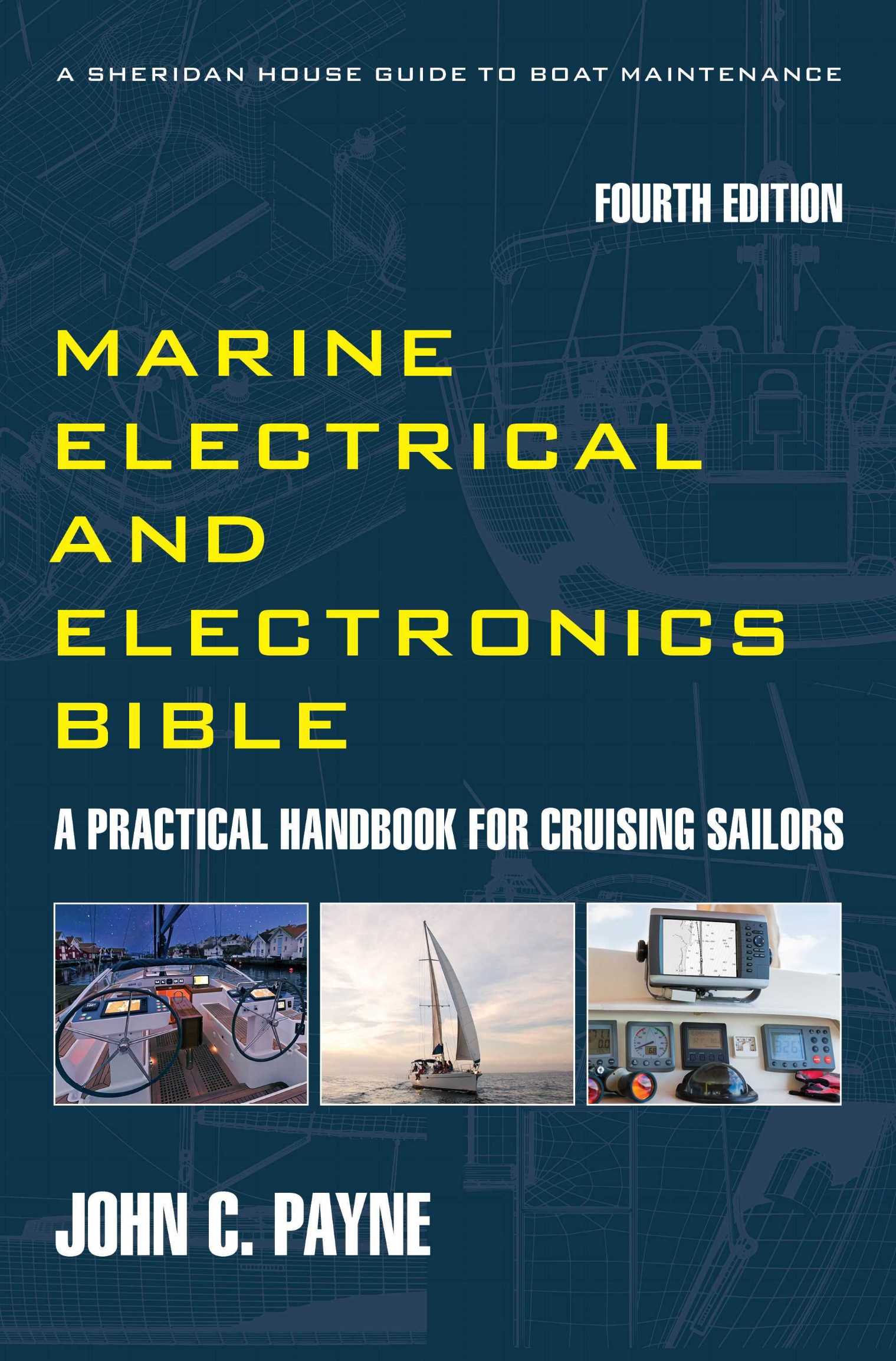
If you are headed somewhere remote consider the need to expand your knowledge base or have an information resource on board. Why not get a copy of my book The Marine and Electrical and Electronics Bible 4th Edition. By and for yachties, with everything from batteries and charging, solar and wind, diesel engines and marine electronics and so much more. Your complete systems guide. 650 pages of practical advice. In Australia and New Zealand order a copy through Boat Books. UK and European boats can buy the UK Edition Here. US and Canadian boats can get the US Edition Order Here. Marine systems are my profession so let me help you. By a liveaboard boat owner for other boat owners

Electrical and Mechanical Repairs
Otaru is one of Hokkaido’s top three ports for marine services. Mechanical assistance available. Welding and fabrication common. Engine specialists in the industrial zone. Limited yacht‑specific haul‑out options. Fishing cooperatives helpful with minor issues. Local workshops are accustomed to supporting fishing fleets and commercial vessels, so repairs are practical, efficient, and no‑nonsense. For major work, Otaru is a strong choice alongside Hakodate and Kushiro.
Haul‑Out & Lifting. Visiting yachts may use the ramp and crane for lifting vessels or loads. Helpful for maintenance, antifouling, or emergency repairs. Maintenance Support. Otaru Port Marina provides maintenance services, making it a practical technical stop before or after remote cruising around Hokkaido.
Otaru Sailing Guide - Culture
and Etiquette
Otaru blends fishing culture with a historic trading‑port identity. The city’s heritage buildings and canals reflect its past as a major trading hub, and the waterfront remains central to daily life. Japan’s maritime culture is formal and procedural. Predictable vessel movement is expected; commercial traffic has priority. Officials expect accurate paperwork and concise answers. Documents are handed over with two hands. Noise discipline is strict. Waste must be sorted correctly. Shoes may need to be removed in some offices. Photography of port, naval, or security areas is restricted. Drone use requires approval. Punctuality is essential. Courtesy is expressed through brief bows and polite language. For complete details about cultural norms visit this page Japanese Port Culture and Etiquette
Hello. Japanese has several forms depending on time of day and formality. Konnichiwa is the standard daytime “hello”. ohayō gozaimasu; “good morning” and konbanwa “good evening”.
Thank you. Two main forms, both correct. arigatō is casual and arigatō gozaimasu is polite and standard. For harbours, officials, and shops arigatō gozaimasu is the correct form.
Otaru Sailing Guide – Tourism
Otaru offers a mix of history, scenery, and food culture. The Otaru Canal, Stone warehouses, cafés, and a beautifully preserved waterfront. Sankaku Market. Fresh seafood, local produce, and excellent provisioning. Nikka Whisky Yoichi Distillery is a short trip west to one of Japan’s most famous distilleries. Otaru Music Box Museum is a quirky stop in the historic district. Shakotan Peninsula (nearby) with its cobalt water, dramatic cliffs, and some of the best scenery in Hokkaido.
Otaru Sailing Guide – Summary
Otaru is one of Hokkaido’s most yacht‑friendly ports, it is a sheltered, well‑supplied, and culturally rich harbor that serves as the perfect base for exploring the Sea of Japan coast. With deep berths, excellent provisioning, reliable services, and easy access to the Shakotan Peninsula, it’s an essential waypoint for crews cruising northern Japan. Otaru offers a provisioning environment that is comprehensive, convenient, and well suited to full resupply. Its supermarkets such as Aeon, Coop Sapporo, and MaxValu provide a broad range of goods, while Otaru Sankaku Market and the canal‑side seafood shops supply fresh produce and high‑quality seafood. For yacht crews, Otaru is a practical and efficient provisioning stop, supported by the infrastructure of a compact but well‑developed northern port city. The Otaru Sailing Guide for all your local knowledge.