Mindelo Yacht Cruising
Guide
Mindelo yacht cruising guide. Mindelo, on the island of São Vicente in Cape Verde, is one of the most significant blue‑water ports in the eastern Atlantic and a primary staging point for yachts preparing for westbound crossings to Brazil, French Guiana, the Caribbean and the Guianas. The port occupies a large, naturally sheltered bay known as Porto Grande, protected by surrounding high ground and shaped by deep volcanic contours that maintain workable conditions in most weather.
Palmeira (Sal) is a functional harbour‑anchorage and quay combination used by yachts for clearance and short‑stay provisioning. Depths are reliable, holding is good in settled conditions, and the port provides fuel, water and basic services. Exposure to swell limits comfort but it remains a viable arrival port. See separate guide. Tarrafal (São Nicolau). A secondary but viable stop with anchorage in settled NE trade conditions. Depths are workable, holding is acceptable, and local supply is limited but functional. No marina, but operationally usable for yachts transiting between Sal and Mindelo.
Ports Not Considered
Viable for Yachts
The following are not viable stops for transiting yachts.
- Praia (Santiago). It is commercial, exposed, poor security history, not recommended.
- Fogo. It has no protected harbour and having been across here and landed to go climb the volcano and stay a night it is a bit fraught. Do visit if opportunity exists, run down the ash fields.
- Brava. Very exposed, no yacht‑safe harbour.
- Boa Vista. The anchorages are exposed, no reliable shelter.
- Maio. It is shallow, exposed, and not suitable.
- Santo Antão. There is no protected yacht harbour.
Mindelo Yacht Cruising
Guide - Approaches
Approaches to Mindelo are straightforward, with deep water close to the coastline and a wide, clearly defined entrance to Porto Grande. Depths remain above 40 m until close in, shoaling to 20–25 m on final approach. The harbour entrance maintains published depths of 10–12 m, with the marina accessed through an internal channel that remains sheltered in most conditions. The surrounding high ground reduces wind acceleration, though gusting can occur when the NE trade winds funnel between São Vicente and Santo Antão. Long‑period swell from the north and northwest can affect the outer harbour, particularly during winter systems, but the natural shape of Porto Grande maintains a stable entrance. Traffic includes ferries, commercial vessels and fishing boats, and yachts must maintain awareness of scheduled movements when approaching or manoeuvring inside the harbour. Night approaches are workable due to clear navigation lights and predictable traffic patterns.
Mindelo Yacht Cruising
Guide - Anchorage
Anchoring off Mindelo is possible and widely used by visiting yachts, with the designated anchorage lying east of the marina in 10–15 m over sand. Holding is generally good, though patches of rock exist, and yachts must ensure the anchor is well set before leaving the vessel. The anchorage is exposed to the NE trade‑wind regime, and yachts experience consistent wind across the deck, though the sea state remains manageable due to the shelter provided by Porto Grande. Surge is minimal, and the anchorage remains workable in most conditions. The seabed drops steeply outside the designated area, and anchoring beyond the permitted zone is restricted. Most yachts alternate between anchoring and marina berthing depending on weather, provisioning needs and departure schedules.
Mindelo Yacht Cruising
Guide - Entry Formalities
Entry procedures follow Cape Verdean regulations. Yachts report to the marina office and port authorities with vessel registration, passports and crew list. Immigration and customs are handled in the port area, and visiting yachts must complete arrival documentation before moving freely ashore. Waste‑management rules apply, and black‑water containment is required in some areas. Pets require appropriate veterinary documentation. Formalities are efficient, and staff are accustomed to handling yachts preparing for Atlantic crossings. Clearance procedures are structured and visiting yachts are expected to follow instructions precisely.
Mindelo Yacht Cruising
Guide - Marina Facilities
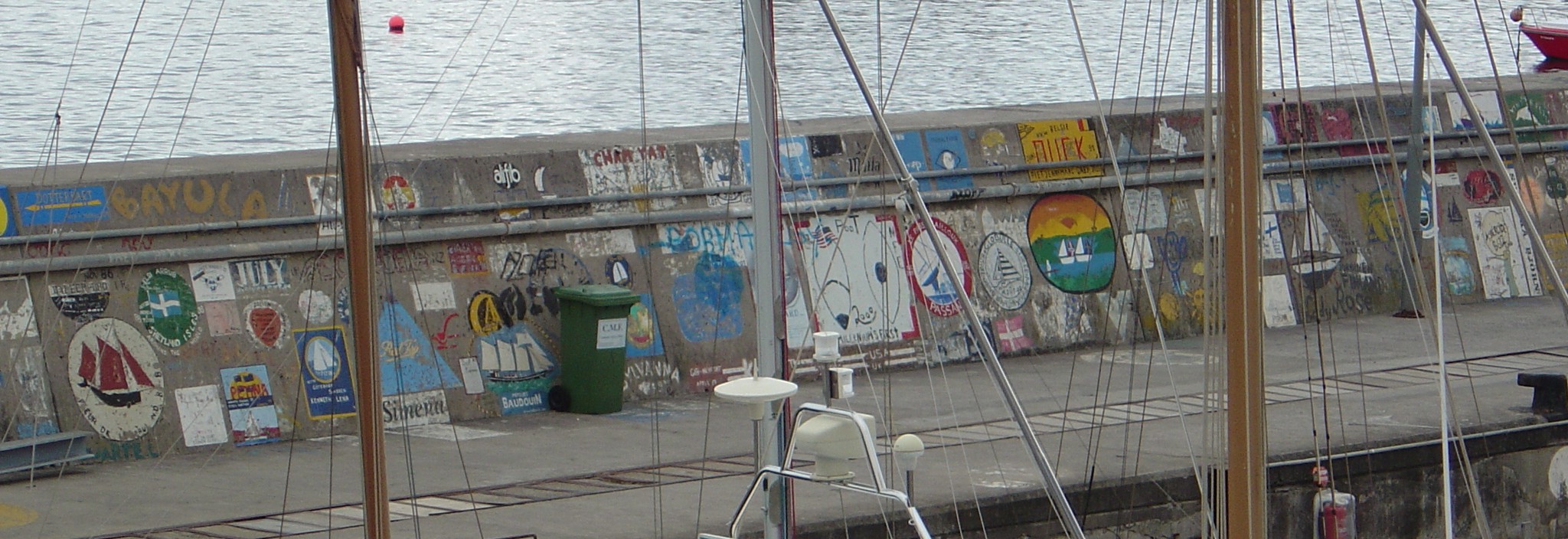
Mindelo Marina has an entrance channel with published depths of 10–12 m and basin depths of 3–4 m alongside. The basin is sheltered by the natural shape of Porto Grande, and conditions remain stable even during strong trade‑wind periods. Facilities include fuel, potable water, electricity, showers, laundry and Wi‑Fi. Technical services include mechanical and electrical workshops, rigging specialists, sailmakers and marine electronics technicians. Haul‑out facilities are available in the port area, with travel‑lift capacity suitable for a range of vessels. Chandlery supply is supported by the island’s commercial port logistics, ensuring reliable access to parts and materials. The marina’s central location provides immediate access to the town’s provisioning and service network, and its sheltered environment makes it a preferred base for yachts preparing for westbound departures.
Mindelo Yacht Cruising
Guide - Local Weather
Weather in Mindelo is dominated by the NE trade‑wind regime for most of the year. The harbour remains sheltered, but the anchorage experiences consistent wind across the deck. Sea state outside Porto Grande can be affected by long‑period swell from the north and northwest, particularly during winter systems, though the harbour entrance remains workable. Visibility is generally good, though haze and dust from Saharan systems can reduce clarity during certain periods. Rainfall is minimal, and conditions are typically dry and stable. The surrounding high ground reduces wind acceleration compared to other Cape Verdean ports, and the harbour maintains predictable conditions throughout the year.
Mindelo Yacht Cruising
Guide - Provisioning
Supermarkets. Casa do Povo Supermercado stocks fresh produce, meat, dairy, bakery, dry goods, long‑life items and beverages; Calú & Ângela Supermercado stocks fresh produce, dairy, meat and dry goods in smaller volumes; larger supermarkets in the town centre stock dry goods, long‑life items, oils, tins, beverages and imported products; local specialty items across all outlets include Cape Verdean coffee (Which is really quite nice to brew), island‑grown fruit, preserved fish and regional grogue.
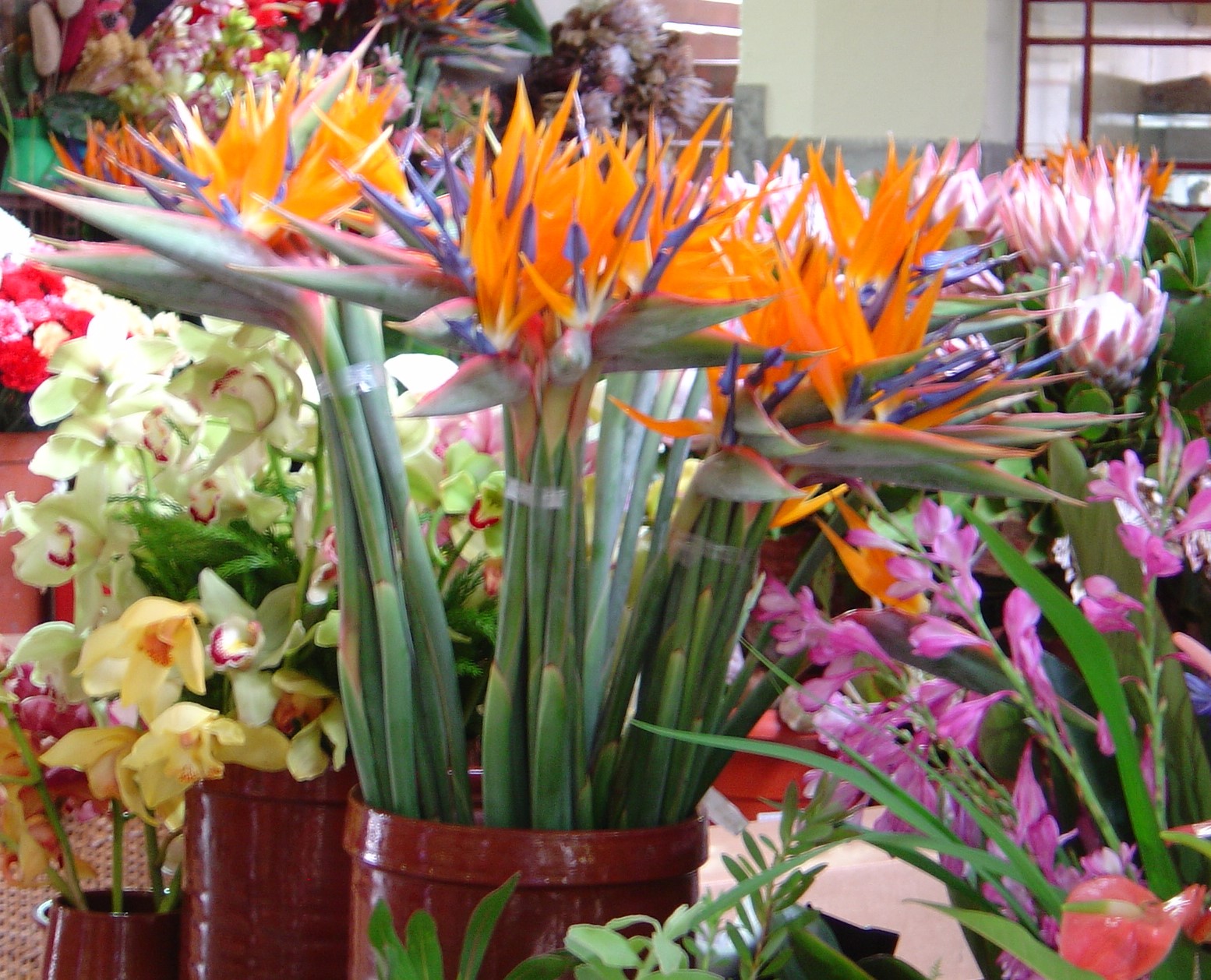
Markets. Mercado Municipal de Mindelo contains stalls selling vegetables, fruit, herbs, pulses, cheeses, cured meats, regional honey, island potatoes, flowers and Cape Verdean‑grown produce. NOTE: Cape Verdean agriculture is constrained by low rainfall and limited arable land, with production centred on maize, beans, cassava, sweet potato, squash, papaya, banana and seasonal vegetables grown in irrigated valleys on islands such as Santo Antão, Santiago and São Nicolau. Small‑scale farms produce cabbage, tomatoes, peppers, onions and herbs when water is available, and fruit output includes papaya, banana and limited citrus. Sugarcane is cultivated for grogue production.
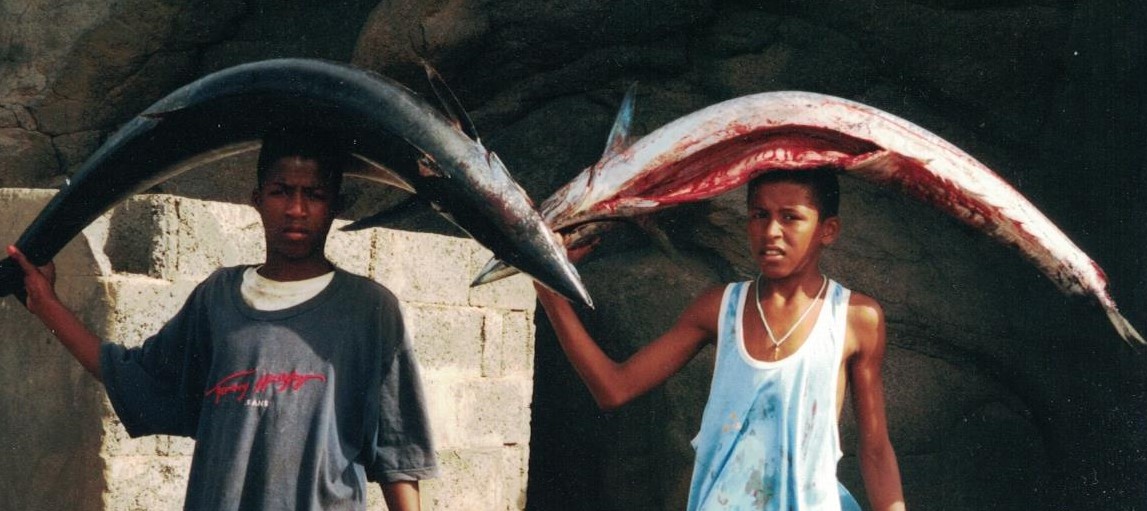
Fish Markets. The fish hall of Mercado Municipal de Mindelo sells tuna, serra, cavala, garoupa, moray, octopus and seasonal Atlantic species; fish counters in local supermarkets sell locally landed tuna, serra and mixed Atlantic species.
What is Grogue?
Grogue is a traditional Cape Verdean spirit distilled from locally grown sugarcane using small‑scale pot stills on islands including Santo Antão, São Nicolau and Santiago. Fresh cane is crushed, fermented and distilled without additives, producing a clear, high‑proof spirit with vegetal, cane‑juice character. Variants include grogue branco, bottled unaged, and grogue envelhecido, aged in wood for additional colour and oxidation. Production is seasonal and output varies by island, with quality dependent on cane maturity and still management. Grogue is used neat, in mixed drinks, or as a base for ponche, which combines grogue with honey or sugar and citrus. Really is a rocket fuel!
Mindelo Yacht Cruising
Guide - Local Cuisine
Cape Verdean cuisine is based on coastal fish, preserved staples and locally grown maize, beans and root vegetables. Cachupa is the national dish, using slow‑cooked maize, beans, sweet potato, cassava and squash with fish or meat depending on island supply. Coastal species including tuna, wahoo and grouper are served grilled or stewed with onions, garlic and tomato. Percebes are harvested on exposed shores when conditions allow. Pork and goat dishes vary by island, with cabrito and guisado de cabra common in rural areas. Moreia frita uses marinated moray eel fried in oil, and pastéis de atum are small tuna pastries. Local produce availability depends on inter‑island transport and seasonal rainfall, and meals often incorporate imported rice, pasta and preserved goods. Grogue, the local cane spirit, is used neat or in ponche with honey or sugar and citrus.
Mindelo Yacht Cruising
Guide - Fuel Supplies
Fuel is available at the marina fuel dock and at commercial berths within the port, with stable supply and straightforward access. Surge does not typically affect fuelling operations inside Porto Grande, and supply interruptions are rare due to the port’s commercial logistics.
Mindelo Yacht Cruising
Guide - Water Supplies
Potable water is available at all marina berths and fuel docks, with consistent quality and no rationing. Supply is reliable throughout the year, and tank filling is straightforward.
Mechanical
and Electrical Repairs Resource
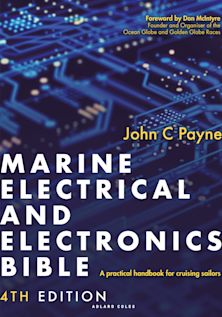
If you are headed somewhere remote consider the need to expand your knowledge base or have an information resource on board. Why not get a copy of my book The Marine and Electrical and Electronics Bible 4th Edition. By and for yachties, with everything from batteries and charging, solar and wind, diesel engines and marine electronics and so much more. Your complete systems guide. 650 pages of practical advice. In Australia and New Zealand order a copy through Boat Books. UK and European boats can buy the UK Edition Here. US and Canadian boats can get the US Edition Order Here. Marine systems are my profession so let me help you. By a liveaboard boat owner for other boat owners


Mindelo Yacht Cruising
Guide - Marine Services
Marine services in Mindelo include mechanical and electrical workshops, rigging support, sailmaking, marine electronics technicians and chandlery supply. Haul‑out facilities are available in the port, with travel‑lift capacity suitable for a range of vessels. The harbour’s proximity to the commercial port ensures reliable access to parts and materials. Mindelo is well suited to pre‑Atlantic maintenance, and many yachts complete final checks and servicing here before departing west.
Mindelo Yacht Cruising
Guide - Local Customs
Harbour operations are structured and predictable, with clear authority control and enforced waste‑management rules. Environmental restrictions apply in protected areas, and compliance checks are routine. Visiting yachts are expected to follow instructions precisely.
Mindelo Yacht Cruising
Guide - Summary
Mindelo is the primary operational base for yachts in Cape Verde, offering deep‑water access, reliable marina infrastructure, strong provisioning and comprehensive marine services. Approaches are straightforward, anchorages are workable in most conditions, and the marina provides the most reliable shelter. The port functions as a key waypoint for yachts preparing for westbound Atlantic passages and remains one of the most important blue‑water hubs in the eastern Atlantic. The Mindelo Yacht Cruising Guide for all you need to know.