Mackay Harbour Sailing Guide
Mackay Harbour Sailing Guide. Mackay is one of the most substantial and weather‑resilient harbours on the Queensland coast, offering a deep, engineered entrance and a cyclone‑rated marina that provides secure berthing in almost all conditions. The harbour sits behind long breakwaters that eliminate swell and create a calm basin even when the sea outside is steep and uncomfortable. For skippers transiting between the Whitsundays, the Percy Isles and Broad Sound, Mackay functions as a major service port, a safe haven in deteriorating weather and a practical staging point for offshore passages. The approach is straightforward, the entrance is deep and the marina infrastructure is designed for vessels of all sizes.
Despite its reliability, Mackay still demands disciplined navigation. The coastline outside the harbour is exposed to south‑easterly trade winds, and the sea state can become steep when wind opposes tide. The entrance is wide but can experience cross‑set in strong winds, and the skipper must hold the leads accurately when swell wraps around the breakwaters. Inside the harbour, depths are consistent, but the marina fairways can be tight in strong crosswinds, especially for high‑windage vessels. Mackay is not a difficult harbour, but it rewards a deliberate approach and clear situational awareness.
Mackay Harbour Sailing Guide - Mackay
Harbour
Mackay Harbour lies north of the city of
Mackay and south of the Whitsunday region, positioned on a straight, open
stretch of coastline with no offshore islands to obscure the approach. The
harbour sits behind long, curved breakwaters that form a distinctive engineered
footprint visible from several miles offshore. The coastline to the south is
low and sandy, while the high ground of Slade Point to the north provides a
clear visual reference. Mackay is positioned roughly halfway between the Percy
Isles and the Whitsundays, making it a natural service stop for vessels moving
along the central Queensland coast.
Approximate position: 21°06.0’S 149°14.0’E
Mackay Harbour Sailing Guide - Approach
The approach is clear and uncomplicated, with 12–20 m of water outside the harbour and a wide, well‑marked entrance between the breakwaters. The leads provide a reliable line into the channel, and depths remain consistent at 10–12 m in the approach. In strong south‑easterlies, swell can wrap around the breakwaters and create a lumpy sea state outside the entrance, but the channel itself remains navigable. The skipper must account for cross‑set near the entrance, especially when wind opposes tide, as the vessel can be pushed sideways if helm corrections are not applied promptly. Visibility is generally good, and the harbour is easy to identify from seaward.
Mackay Harbour Sailing Guide - Entrance
Channel and Harbour
The entrance channel is deep and forgiving, with 9–12 m of water between the breakwaters. The harbour is fully protected from swell, and conditions inside remain calm even when the sea outside is steep. The tidal stream is moderate, usually 1–2 knots, but can increase on springs, particularly when the ebb tide accelerates past the breakwater heads. Once inside, the harbour opens into a large basin with consistent depths of 5–7 m, and the marina fairways are clearly marked. Strong south‑easterlies can funnel across the fairways, making manoeuvring more challenging for vessels with high windage, but the basin provides ample room for controlled turns.
Mackay Harbour Sailing Guide - Wind,
Weather and Tidal Effects
Mackay is exposed to south‑easterly trade winds, and the sea state outside the harbour can become steep when wind opposes tide. Swell can wrap around the breakwaters and create a confused sea near the entrance, but the harbour itself remains calm. Northerlies tend to flatten the approach, while westerlies have little effect on the sea state. The tidal range is moderate, and the stream is noticeable on springs, particularly near the breakwater heads. Inside the harbour, wind has more influence than tide, and the vessel will lie mostly to the breeze rather than the current.
Mackay Harbour Sailing Guide - Navigation
Hazards
The primary hazards at Mackay are the steep sea state outside the entrance in strong south‑easterlies, the cross‑set created by wind and tide near the breakwaters and the tight marina fairways in strong winds. The coastline outside the harbour is open and exposed, and the skipper must be prepared for a lumpy approach in fresh trade winds. The entrance is wide but requires accurate helm, and the breakwaters can create rebound waves in certain conditions. Inside the harbour, the main consideration is windage when manoeuvring in the marina.
Mackay Harbour Sailing Guide - Inside
Inside the harbour, depths are reliable and the water is calm. The marina basins provide 5–7 m of depth at LAT, and the breakwaters eliminate swell entirely. The harbour is busy during peak cruising season, and the skipper must maintain situational awareness when manoeuvring, especially near the fuel berth and the commercial wharf. The surrounding landforms can create gusts in strong south‑easterlies, but the marina layout allows for controlled manoeuvring with adequate space. The harbour is large enough to accommodate vessels of all sizes, and the cyclone‑rated design provides exceptional security during severe weather.
Mackay Harbour Sailing Guide - Mackay
Marina
Mackay Marina is one of the most structurally robust marinas on the Queensland coast, designed specifically to withstand severe weather events and provide secure berthing during tropical cyclone seasons. The marina sits behind two substantial rock breakwaters engineered to absorb wave energy and prevent swell penetration, with the outer wall protecting the entrance and the inner wall shielding the marina basin. The entrance channel remains stable in strong south‑easterlies, and the basin itself stays calm even when the outer harbour is experiencing significant wind and chop. The floating pontoon system is built on heavy‑duty piles engineered for cyclone loads, giving the berths far greater vertical travel and structural resilience than standard marina installations. These piles are designed to accommodate storm‑surge variation, allowing the pontoons to rise safely without risk of detachment. The marina’s layout provides wide fairways for manoeuvring in strong winds, and the berths maintain 3.5–5.5 m of depth, ensuring keel yachts and multihulls remain secure at all tide states.
Fuel is available at the marina fuel dock, with both diesel and petrol supplied directly from the waterfront. Potable water is accessible from all berths, and pump‑out facilities are located within the marina precinct. Haul‑out and hardstand capability is available for yachts preparing for cyclone season or undertaking major maintenance. The proximity to the commercial port means the marina benefits from port‑grade dredging, reliable depth and sheltered approaches. Mackay Marina is widely regarded by passage makers as one of the safest cyclone‑resistant marinas between Bundaberg and Townsville.
Mackay Harbour Sailing Guide - Provisioning
Supermarkets: Mackay offers full provisioning through Woolworths Mackay City, Coles Parkside Plaza, Coles Mount Pleasant, Drakes Northern Beaches and IGA Mackay. These supermarkets provide complete resupply options including fresh produce, dry goods, bakery items and general supplies. All are within short driving distance of the harbour and offer the most comprehensive provisioning capability between Gladstone and the Whitsundays.
Markets: Fresh produce is available at the Mackay Showgrounds Farmers Market, offering fruit, vegetables and local goods from regional growers. Additional specialty produce and artisan items can be sourced from the Greater Whitsunday Farmers Market, giving skippers access to higher‑quality local produce than standard supermarket stock.
Fish Markets: Debbie’s Seafood, located near the harbour precinct, is the primary source of fresh local seafood, including reef fish, prawns and seasonal catch landed from the Mackay fleet. It is the most reliable seafood provisioning point for vessels preparing for extended cruising north or south.
Mechanical and Electrical Repairs
Resource
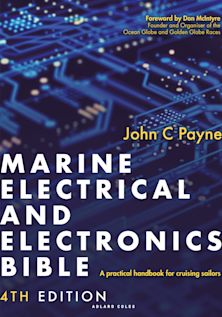
If you are headed somewhere remote consider the need to expand your knowledge base or have an information resource on board. Why not get a copy of my book The Marine and Electrical and Electronics Bible 4th Edition. By and for yachties, with everything from batteries and charging, solar and wind, diesel engines and marine electronics and so much more. Your complete systems guide. 650 pages of practical advice. In Australia and New Zealand order a copy through Boat Books. UK and European boats can buy the UK Edition Here. US and Canadian boats can get the US Edition Order Here. Marine systems are my profession so let me help you. By a liveaboard boat owner for other boat owners

Mackay Harbour Sailing Guide - Marine
Services
Mackay is one of the strongest marine‑service centres on the Queensland coast outside the major capitals. The marina precinct hosts a full‑scale chandlery supplying hardware, electrical components, plumbing fittings, deck gear and consumables suitable for coastal passage making. Engine support is extensive, with authorised Yanmar and Volvo Penta agents operating from the marina’s workshop precinct. Electronics support includes Raymarine, Garmin, B&G, Furuno and Simrad technicians who service both the marina and the commercial port.
As it is challenging to obtain positive referrals about many independent marine electricians and marine mechanics, it is suggested that you enquire around other boats on any of the marinas and seek advice, recommendations or endorsements rather than risk engaging someone who overcharges or under‑delivers due to competency gaps or limited capability. If anyone comes across people worth recommending then let me know via Contact Me page
Mackay Harbour Sailing Guide - Summary
Mackay is a deep, engineered harbour with a straightforward approach, a protected entrance and a cyclone‑rated marina that provides exceptional security and full services. The approach can be steep in strong south‑easterlies, and the entrance requires accurate helm, but the harbour itself is calm, forgiving and operationally reliable. For skippers moving along the central Queensland coast or staging for the Whitsundays, the Percy Isles or offshore passages, Mackay is one of the most capable and complete service ports on the coast. The Mackay Harbour Sailing Guide with a lot of useful information.