Jost Van Dyke Yacht Cruising
Guide
Jost Van Dyke Yacht Cruising Guide. Jost Van Dyke is the smallest of the main British Virgin Islands but one of the most visited, with a coastline shaped by deep bays, sandy beaches, and predictable trade‑wind shelter. Approaches are generally straightforward in settled conditions, with deep water close to shore and well‑defined entrances into Great Harbour, Little Harbour, and White Bay. The island has limited marine infrastructure, relying on moorings, anchoring zones, and small‑scale shore facilities rather than full marinas. Its compact size and simple layout make it an easy, low‑stress cruising destination for yachts moving through the Sir Francis Drake Channel and the northern BVI.
Provisioning and technical services are minimal, with small shops and local vendors supplying only short‑stay needs. Most yachts arrive fully stocked from Tortola or Virgin Gorda. Weather follows the northeast trades, with 15–22 kn winds and sheltered conditions inside the main bays, while the northern coast is exposed to swell during winter systems. Jost Van Dyke functions as a short‑stay cruising stop with reliable moorings, clear water, and straightforward navigation, supported by basic shore access rather than full yacht services.
Jost Van Dyke
Yacht Cruising Guide - Approaches
Approaches to Jost Van Dyke are clear and visually simple, with deep water close to shore and well‑defined channels into the main bays. Great Harbour is entered through a wide opening with 10–20 m depths and predictable shoaling to 5–10 m inside. Little Harbour lies just east of Great Harbour and is approached through a narrow but straightforward entrance with 10–15 m depths and good visibility. White Bay on the southern coast requires careful entry due to shallow patches and coral heads near the beach, but visibility is excellent in settled conditions. The northern coast is exposed and generally avoided during winter swell. Overall, approaches remain predictable for yachts familiar with BVI navigation.
Jost Van Dyke
Yacht Cruising Guide - Anchorages
Great Harbour is the primary anchorage, offering moorings and anchoring in 5–10 m over sand with reliable shelter from the prevailing trades. Dinghy access is straightforward via the public dock and beach landing areas. Little Harbour provides a quieter alternative with moorings and anchoring in 6–12 m over sand and rock, with good protection and easy shore access. White Bay offers day‑use anchoring in 3–6 m over sand, with excellent visibility and a shallow gradient, though the anchorage becomes uncomfortable in stronger trades and is best used in settled conditions. The island’s northern bays are scenic but exposed, and are used only in calm weather. Moorings are common in high‑use areas to protect seagrass and coral.
Jost Van Dyke
Yacht Cruising Guide - Marinas
Jost Van Dyke has no marinas and no haul‑out facilities. Great Harbour and Little Harbour provide moorings, dinghy access, and small‑scale support through local operators. Water, fuel, and technical services are extremely limited, and yachts requiring marina berths or repairs must return to Tortola. Shore access focuses on restaurants, small shops, and beach facilities rather than yacht‑specific infrastructure. The island is designed for short‑stay visits rather than extended cruising.
Jost Van Dyke Yacht Cruising Guide - Local Weather
Weather follows the northeast trade‑wind pattern with 15–22 kn winds and sheltered conditions inside Great Harbour and Little Harbour. White Bay remains workable in normal trades but becomes exposed during stronger wind periods. The northern coast is affected by winter swell, which can make anchorages uncomfortable or temporarily unusable. The island lies within the hurricane belt, and seasonal monitoring is essential during late summer and autumn.
Jost Van Dyke
Yacht Cruising Guide - Provisioning
Provisioning on Jost Van Dyke is limited to small shops in Great Harbour and Little Harbour, carrying basic groceries, beverages, and packaged staples suitable for short‑stay needs. Fresh produce availability varies with shipments from Tortola. Most yachts arrive fully provisioned from Tortola or Virgin Gorda, using the island’s shops only for top‑ups. Local fish is occasionally available from fishermen, though supply is inconsistent.
Jost Van Dyke
Yacht Cruising Guide - Local
Cuisine
Local cuisine on Jost Van Dyke reflects the broader Virgin Islands tradition, with fish served with fungi made from cornmeal and okra; pates filled with beef, chicken, saltfish, or vegetables; stewed chicken braised with onions, peppers, herbs, and tomato; roti filled with curried chicken, goat, shrimp, or vegetables; conch simmered in butter with onions and peppers; red peas soup made with beans, salted meat, dumplings, and root vegetables; goat curry seasoned with local spices; johnny cakes served with saltfish or meat; and coconut sweet bread with raisins and spices. Seafood and grilled dishes are common across the island’s small restaurants.
Jost Van Dyke
Yacht Cruising Guide - Fuel
Supplies
Fuel availability on Jost Van Dyke is extremely limited and not suitable for yacht‑scale refuelling. Small quantities of petrol may be available for dinghies, but diesel supply is inconsistent. Yachts requiring fuel must refuel in Tortola before or after visiting the island.
Jost Van Dyke
Yacht Cruising Guide - Water
Supplies
Water is limited to small‑scale dockside fills in Great Harbour when available, with supply varying by season and demand. Most yachts rely on onboard watermakers or arrive with full tanks from Tortola. Water conservation is essential during extended stays.
Mechanical and Electrical Repairs
Resource
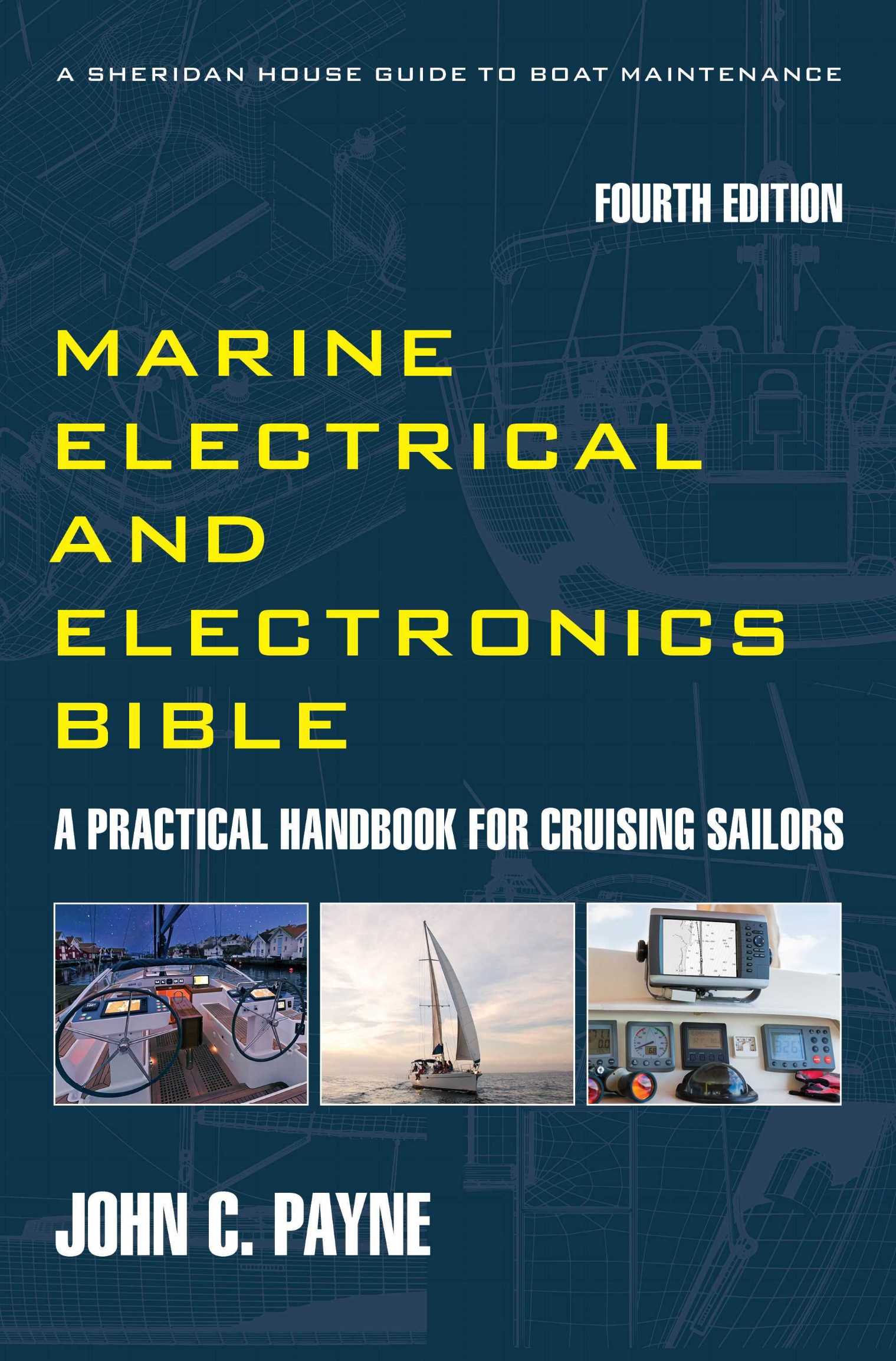
If you are headed somewhere remote consider the need to expand your knowledge base or have an information resource on board. Why not get a copy of my book The Marine and Electrical and Electronics Bible 4th Edition. By and for yachties, with everything from batteries and charging, solar and wind, diesel engines and marine electronics and so much more. Your complete systems guide. 650 pages of practical advice. In Australia and New Zealand order a copy through Boat Books. UK and European boats can buy the UK Edition Here. US and Canadian boats can get the US Edition Order Here. Marine systems are my profession so let me help you. By a liveaboard boat owner for other boat owners

Jost Van Dyke
Yacht Cruising Guide - Services
Marine services on Jost Van Dyke are minimal. Great Harbour offers only small‑scale assistance through local operators, with no haul‑out, no chandlery, and no major repair capability. All significant mechanical, electrical, rigging, and fiberglass work must be handled on Tortola. The island is best treated as a low‑infrastructure destination requiring self‑sufficiency.
Jost Van Dyke
Yacht Cruising Guide - Local
Customs
BVI regulations apply throughout the island. Anchoring is restricted to designated areas to protect seagrass and coral, and moorings must be used where provided. Dinghy speeds must remain low near beaches, docks, and swimming areas. Waste disposal is controlled, and yachts must use designated facilities or retain waste onboard.
Jost Van Dyke
Yacht Cruising Guide - Summary
Jost Van Dyke is a simple, low‑infrastructure cruising destination with reliable moorings, clear water, and straightforward navigation. The island offers minimal provisioning and marine services, making Tortola the operational base for yachts visiting the area. It functions as a short‑stay stop within the BVI cruising circuit, providing sheltered anchorages, predictable approaches, and easy shore access in a compact, manageable environment. Jost Van Dyke Yacht Cruising Guide for all you need to know.