Fuerteventura Yacht
Cruising Guide
Fuerteventura yacht cruising guide. Fuerteventura is a long, low‑lying island east of Gran Canaria and south of Lanzarote, used by yachts transiting between the eastern Canaries or routing toward Cape Verde. The island has three practical yacht harbours: Puerto del Rosario (main commercial port with marina), Gran Tarajal (southern marina), and Corralejo (northern marina opposite Lanzarote). All provide secure berthing, fuel, water, and short‑range provisioning. Marine services are limited, and the island functions primarily as a transit waypoint rather than a full technical base.
The coastline is exposed, with deep water close to shore and limited anchorage options. Weather is shaped by the NE trade‑wind regime, with strong acceleration zones between Fuerteventura and Lanzarote and between Fuerteventura and Gran Canaria. The island’s low terrain produces fewer gusts than the western islands but allows stronger sustained winds along the east coast.
Fuerteventura Yacht
Cruising Guide - Approaches
Approaches to Puerto del Rosario are straightforward, with deep water exceeding 30–60 m until close to the breakwater. The entrance carries 8–12 m, and the marina basin has 3–5 m across floating pontoons. The commercial quay lies to the north with 10–12 m.
Gran Tarajal has a wide entrance with 6–10 m, protected by breakwaters. The marina basin carries 3–5 m. Surge can occur during strong southerly winds.
Corralejo has a narrower entrance with 5–8 m, affected by ferry traffic and cross‑set from the channel between Lanzarote and Fuerteventura. The marina has 3–5 m.
Acceleration zones occur in the straits north and south of the island, where NE trades can increase by 10–20 kn above forecast. Swell from the east and southeast can affect all entrances during winter systems. Tidal range is small, and currents are weak. Night approaches are uncomplicated with clear lighting.
Fuerteventura Yacht
Cruising Guide - Anchorage
Anchoring is limited. Off Puerto del Rosario, depths drop quickly from 20–30 m to over 40 m, with poor shelter from swell. Gran Tarajal has no reliable anchorage outside the harbour. Corralejo offers a small anchorage west of the harbour in 8–15 m, but it is exposed to wind shifts and ferry wash. Most yachts proceed directly into marinas.
Fuerteventura Yacht
Cruising Guide - Entry Formalities
Fuerteventura follows standard Spanish and EU entry procedures. Yachts report to the marina office on arrival. Schengen rules apply to crew. Passports, vessel documents, and crew lists are required. Firearms must be declared. Pets require valid EU documentation. Safety equipment may be inspected. There are no restrictions on Starlink or other communications equipment beyond standard Spanish regulations.
Fuerteventura Yacht
Cruising Guide - Marina Facilities
Puerto del Rosario Marina provides berths with 3–5 m, shore power, potable water, fuel, Wi‑Fi, and security. Technical support is basic. The commercial port offers deeper water (10–12 m) but is not normally used by yachts. Gran Tarajal Marina offers 3–5 m, shore power, water, fuel, and limited mechanical assistance. Surge can occur during southerly winds. Corralejo Marina provides 3–5 m, shore power, water, and fuel. Ferry traffic creates wash in the outer basin. Technical services are minimal. There is no major haul‑out capability for yachts on the island. Chandlery stock is limited across all ports.
Fuerteventura Yacht
Cruising Guide - Local Weather
Weather is dominated by the NE trade‑wind regime, typically 15–25 kn in season. Strong acceleration zones occur between Lanzarote and Fuerteventura and between Fuerteventura and Gran Canaria, with 25–35 kn common. The island’s low terrain produces fewer gusts but allows strong sustained winds along the east coast. Winter brings more variable winds and occasional swell from the east and southeast, which can affect harbour entrances. Fog is rare. Sea state outside the harbours is moderate, with long‑period swell common.
Fuerteventura Yacht
Cruising Guide - Provisioning
Supermarkets. Full provisioning is available in Puerto del Rosario, where Mercadona Puerto del Rosario carries fresh produce, dairy, meat, bakery items, dry stores, long‑life goods and frozen products with stable stock levels. Hiperdino Puerto del Rosario provides a wide range of fresh produce, meat, dairy, dry goods and bulk quantities suitable for passage provisioning. Lidl Puerto del Rosario offers dry stores, tinned goods, bakery items and fresh produce with consistent availability. In the south, Hiperdino Gran Tarajal supplies fresh produce, dairy, meat and dry goods suitable for transit‑level provisioning. In the north, Hiperdino Corralejo and Spar Corralejo provide fresh produce and packaged goods for short‑term top‑ups.
Markets. The Puerto del Rosario Municipal Market supplies vegetables, fruit, herbs, cheeses and regional produce with availability dependent on inter‑island transport and seasonal conditions. Smaller produce stalls operate in Corralejo and Gran Tarajal with limited selection and variable stock turnover.
Fish Markets. Fish supply is centred on the harbour areas, where local fishermen sell tuna, bonito, sama, cherne and coastal species in the morning when weather and catch permit. There is no large structured fish market on the island, and supply varies daily.
Fuerteventura Yacht Cruising Guide - Local Cuisine
Local cuisine in Fuerteventura is based on coastal fish, goat products and traditional Canarian preparations. Papas arrugadas are small local potatoes boiled in heavily salted water and served with mojo rojo made from red pepper, garlic, oil and vinegar, or mojo verde made from coriander, garlic, oil and vinegar. Sancocho canario uses salted white fish such as cherne or corvina boiled with potatoes and sweet potato and served with mojo. Gofio escaldado mixes toasted maize flour with fish stock to form a thick paste eaten with onions or fish. Ropa vieja is a chickpea stew with shredded beef or chicken, onions, peppers and tomatoes. Coastal species including vieja, cherne, sama and atun are served grilled or stewed with minimal seasoning. Dairy is centred on local goat cheeses produced in fresh, semi‑cured and cured forms.
Fuerteventura Yacht
Cruising Guide - Fuel Supplies
Diesel is available at the marina fuel docks in Puerto del Rosario, Gran Tarajal and Corralejo. Supply is reliable year‑round. High‑volume bunkering is not available.
Fuerteventura Yacht
Cruising Guide - Water Supplies
Potable water is available at all berths and fuel docks. Pressure and quality are consistent.
Mechanical and Electrical Repairs
Resource
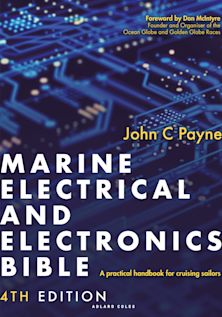
If you are headed somewhere remote consider the need to expand your knowledge base or have an information resource on board. Why not get a copy of my book The Marine and Electrical and Electronics Bible 4th Edition. By and for yachties, with everything from batteries and charging, solar and wind, diesel engines and marine electronics and so much more. Your complete systems guide. 650 pages of practical advice. In Australia and New Zealand order a copy through Boat Books. UK and European boats can buy the UK Edition Here. US and Canadian boats can get the US Edition Order Here. Marine systems are my profession so let me help you. By a liveaboard boat owner for other boat owners

Fuerteventura Yacht
Cruising Guide - Marine Services
Marine services are limited to basic mechanical and electrical assistance. There are no authorised Volvo, Yanmar or major engine agents. Chandlery stock is minimal. Haul‑out capability is limited, and yachts requiring significant repairs should route to Lanzarote or Las Palmas.
Fuerteventura Yacht
Cruising Guide - Local Customs
Harbour authorities enforce waste‑disposal rules and restrict anchoring near commercial zones. Dinghies should be secured when left ashore. Local etiquette is straightforward, with no specific cultural sensitivities beyond standard courtesy. Ferry traffic is heavy in Corralejo, and yachts should follow staff instructions for berthing.
Fuerteventura Yacht
Cruising Guide - Summary
Fuerteventura is a functional transit island with three usable yacht harbours offering reliable berthing, fuel, water and medium‑scale provisioning. Approaches are simple, anchorage is limited, and marine services are basic. Full technical support and major repairs require routing to Lanzarote or Las Palmas. The island serves as a practical waypoint for yachts moving through the eastern Canaries or routing south toward Cape Verde. The Fuerteventura Yacht Cruising Guide is here to help you.