Batam Cruising Guide for Yachts
Batam Cruising Guide for Yachts. Batam is one of Indonesia’s primary yacht entry points due to its proximity to Singapore and its position within the Riau Islands. Approaches are straightforward when following buoyed channels, but the region carries strong tidal streams, dense commercial traffic, and frequent fast‑ferry movements that require disciplined situational awareness. All CIQP formalities, marinas, fuel, water, and marine services are concentrated around Nongsa Point and Batam Centre, with no yacht‑suitable facilities elsewhere on the island.
Batam also serves as a staging point for onward passages through the Riau Archipelago, north toward Singapore, or southeast toward Bintan and the wider Natuna Sea. Many yachts use Batam as a clearance port, a refit stop, or a provisioning base before continuing deeper into Indonesia. This guide focuses on practical, operational information for yachts using Batam as a port of entry, a service hub, or a resupply stop.
Singapore–Batam Crossing Overview
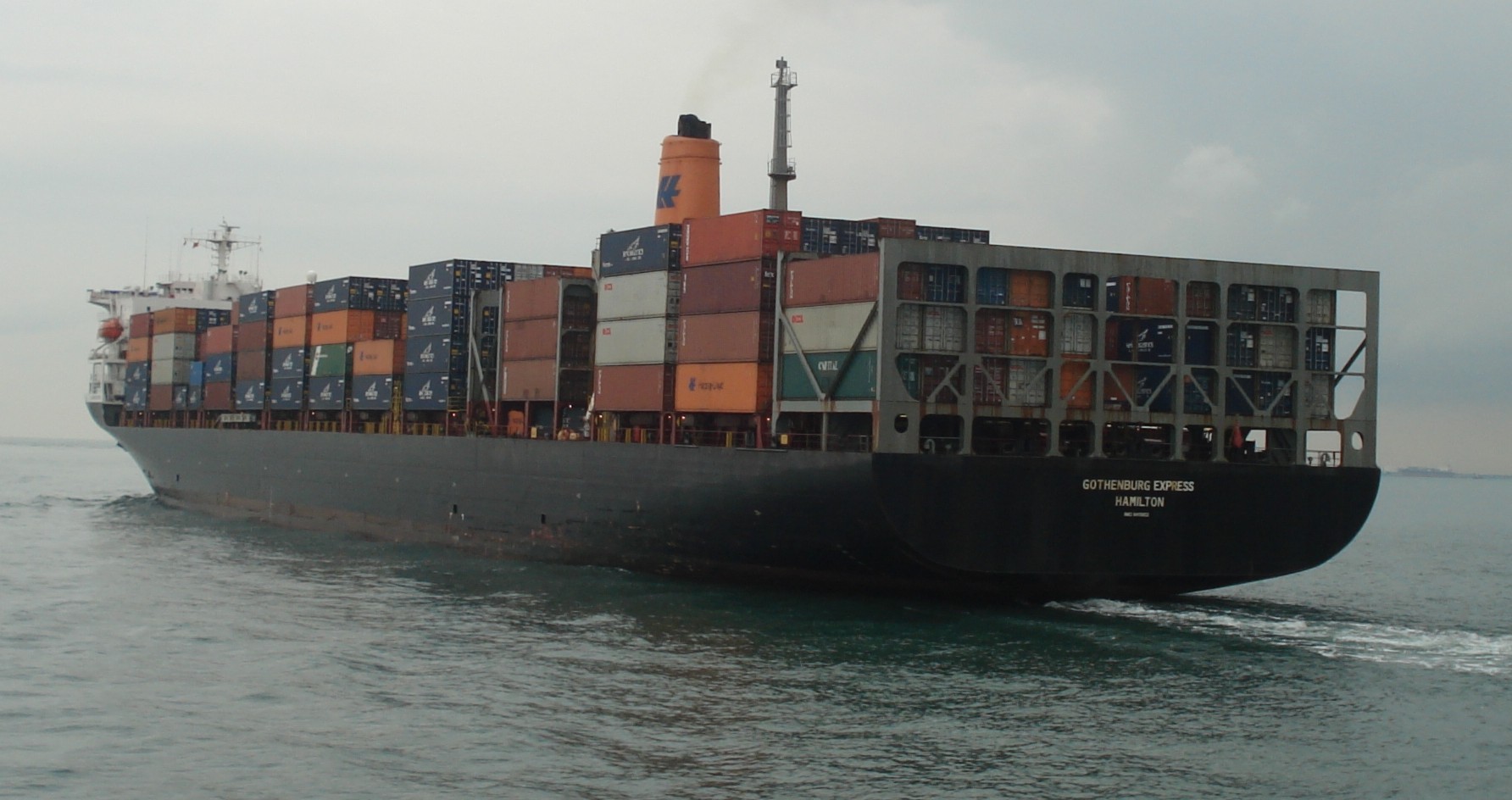
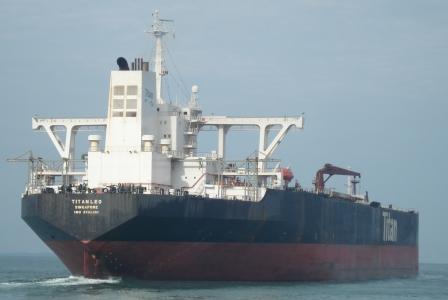
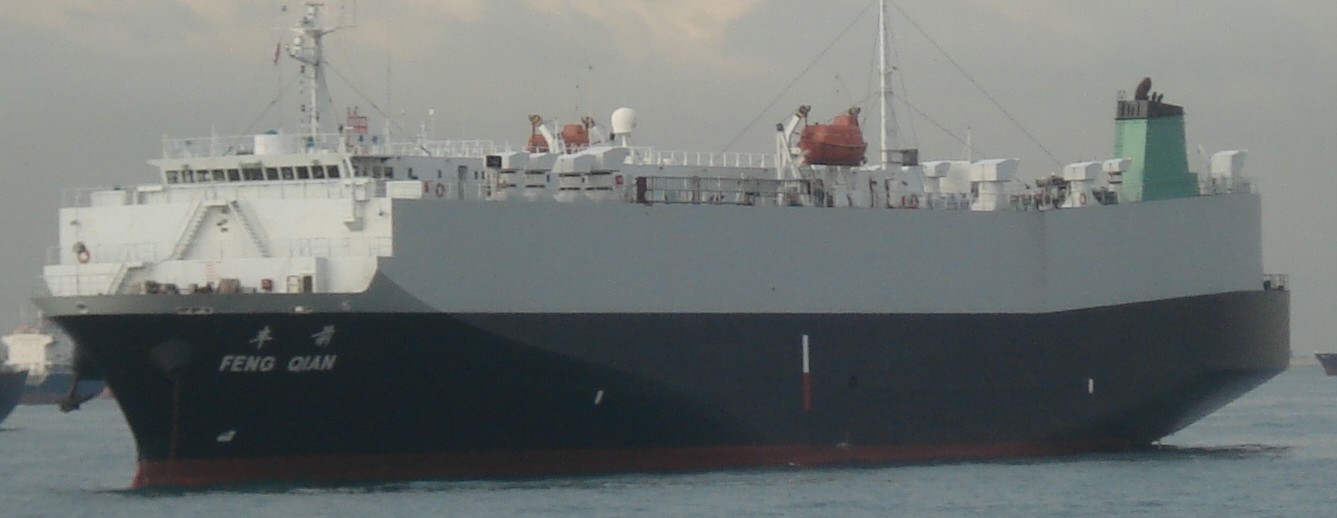
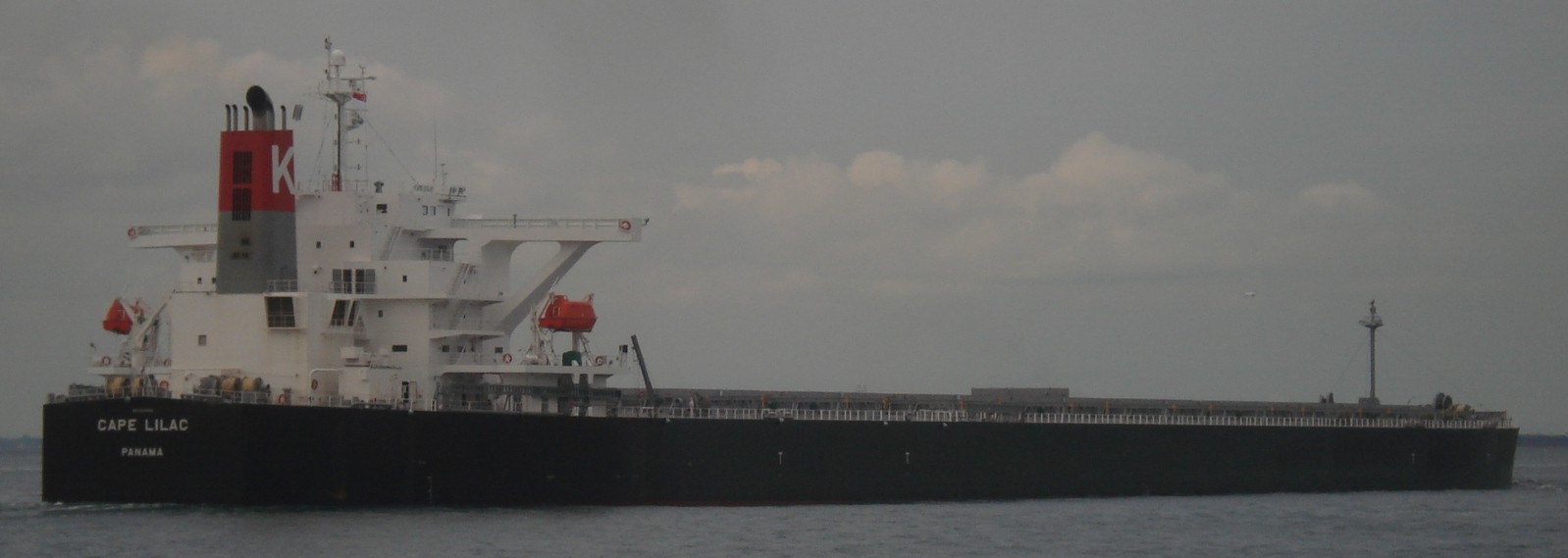
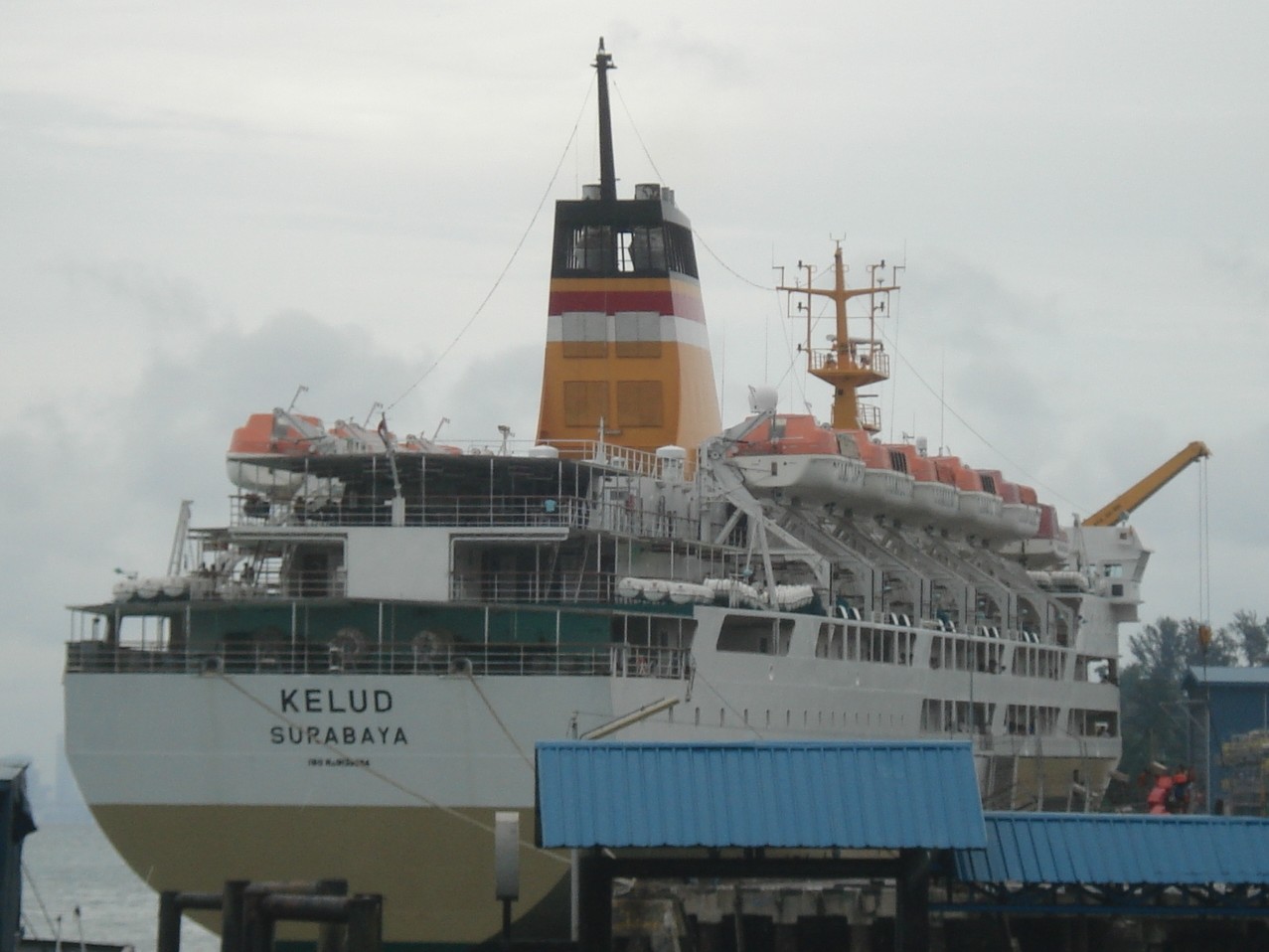
The Singapore–Batam leg is short but operationally demanding due to strong tidal streams, dense commercial traffic, and strict traffic‑lane structures in the Singapore Strait. Safe, efficient crossings depend on timing the tide, understanding traffic separation schemes, and committing to clear, predictable tracks that minimise time spent in high‑density shipping zones. Most yachts route between Singapore marinas and Nongsa Point Marina, using established crossing points and avoiding unnecessary loitering in the main lanes. For the uninitiated this is one of the busiest waster ways in the world. The following images I took over a period, from car carriers to bulkers to container ships and there are many tugs with barges under tow as well. There is also a lot of local traffic from supply boats to Pilot vessels.
Tidal timing for
the crossing
Tidal streams in the Singapore Strait can exceed 3 knots on springs and strongly influence speed over ground and track made good. Planning the crossing with a favourable or at least neutral stream is more important than the short geographic distance suggests. North‑going and south‑going streams can either assist or oppose the crossing, and wind‑against‑tide conditions create short, steep seas that are uncomfortable for smaller yachts.
Slack periods are brief, and many skippers prefer to depart on a building favourable stream rather than waiting for exact slack. For westbound or eastbound transits along the Strait before turning toward Batam, tidal assistance can significantly reduce time spent in the lanes. For direct Singapore–Nongsa crossings, the priority is minimising lateral set while crossing the main traffic flow and ensuring that the vessel’s track remains predictable to commercial traffic.
Traffic‑lane Logic and Crossing Behaviour
The Singapore Strait is governed by traffic separation schemes that must be treated as commercial highways. Yachts should cross the main lanes at as close to right angles as practicable, avoiding shallow diagonal tracks that keep them in the lanes longer than necessary. Once committed to a crossing, speed should be steady and course changes minimal, allowing large vessels to predict the yacht’s movement and adjust if required.
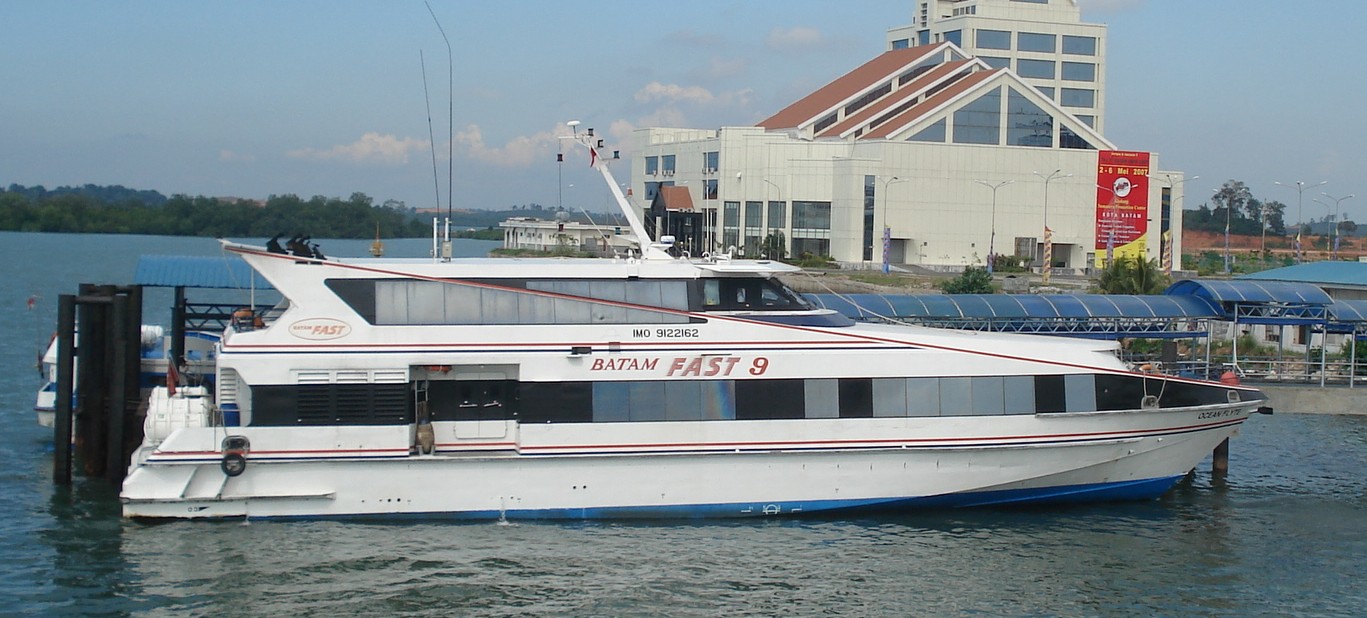
AIS is essential in this environment, both for situational awareness and for confirming CPA and TCPA with fast‑moving ships. Yachts should avoid loitering near lane boundaries, anchorages, or pilot boarding grounds, and should not attempt to “thread the gaps” between closely spaced ships when a short delay or altered timing would provide a clearer crossing window. Fast ferries operating between Singapore and Batam or Bintan follow regular routes at high speed and can create significant wake; their tracks should be anticipated and respected.
Approaches to Nongsa Point from the Singapore side typically involve clearing the main lanes, then shaping course toward the Indonesian coast while remaining outside restricted areas and avoiding shallow patches and local fishing traffic. Background lighting at night can make small craft and unlit fishing gear difficult to see, so many skippers prefer daylight crossings for first‑time transits.
Batam Cruising Guide for Yachts - Approaches
Approaches to Batam are dominated by commercial shipping lanes, high‑speed ferries, and strong tidal flow. The northern approaches from Singapore Strait require strict adherence to traffic separation schemes and close monitoring of AIS targets. The eastern approach toward Nongsa Point is the most common for yachts and is generally straightforward when following the marked channel, though cross‑set from tidal flow is significant on springs.
The southern and western coasts of Batam are more exposed to open‑water conditions and carry fewer navigational aids. These areas are not recommended for first‑time arrivals due to unmarked shoals, fishing stakes, and heavy local traffic. Most yachts enter via Nongsa Point Marina or Batam Centre, where channels are dredged and buoyed.
Batam Cruising Guide for Yachts - Navigation
Channel depth ranges: Depths around Batam vary from deep commercial channels exceeding 20 m to shallow coastal shelves that shoal abruptly. The approach to Nongsa Point carries 6 to 10 m within the buoyed channel, with margins shoaling quickly outside the fairway. The approach to Batam Centre is deeper, generally 10 to 15 m, but traffic density is significantly higher. Unmarked fishing nets and small wooden boats are common at dawn and dusk.
Tidal set behaviour: Tidal streams in the Singapore Strait influence Batam’s approaches, with strong east–west flow that can exceed three knots on springs. Cross‑set is most noticeable when turning into the Nongsa Point channel, where vessels may be pushed off centreline if the helm correction is delayed. Slack periods are short, and planning arrivals around neaps provides the most forgiving conditions.
Chart Accuracy and
Source Disclaimer– Indonesia
Chart accuracy across Indonesia is inconsistent, with most non‑commercial regions still based on pre‑1970s lead‑line surveys that provide approximate depths, generalised reef edges, and sparse or single‑point soundings. Official ENC coverage improves only in major commercial ports, while offshore islands, reef systems, and remote bays across Sumatra, Java, Kalimantan, Sulawesi, Nusa Tenggara, Maluku, and Papua rely on outdated or incomplete data. Navionics and C‑Map offer reasonable coastline shape and usable macro‑routing but suffer from interpolated contours, missing shoals, and reef offsets of 20–150 m in many areas. Garmin BlueChart inherits the same limitations. Satellite imagery (Google, Bing, ESRI, SASPlanet) provides the most accurate depiction of reef and shoal edges, typically within 3–10 m, and is essential for anchorage selection and approach planning.
Skippers should treat all charted depths outside commercial ports as approximate and rely on a combination of ENC cross‑checking, satellite‑based reef reading, visual navigation, and drone reconnaissance for safe entry into anchorages. All chart information referenced in this guide is derived from publicly available Indonesian hydrographic products, international ENC datasets, and third‑party electronic chart packages. These sources vary in age, survey method, positional accuracy, and datum consistency. No guarantee is made regarding the completeness, reliability, or currency of any charted depth, contour, hazard, or navigational feature. Mariners are responsible for verifying all information against the latest official notices, updated charts, and on‑scene conditions. Electronic charts, satellite imagery, and user‑generated data must not be relied upon as sole sources of navigational information. Safe navigation requires continuous visual assessment, prudent seamanship, and independent confirmation of all charted features.
Batam Cruising Guide for Yachts - Helm notes
The final turn into Nongsa Point requires early commitment due to tidal drift and the narrowness of the dredged section. The marina entrance is protected but tight, and manoeuvring space is limited for vessels over 18 m. Batam Centre’s approach is more spacious but complicated by ferry wakes and unpredictable small‑craft movements. Night entry is possible but not recommended due to background lighting and reduced visibility of small fishing boats.
Batam Cruising Guide for Yachts - Customs
Customs clearance is handled at designated CIQP facilities, typically Nongsa Point or Batam Centre. Skippers must present vessel registration, crew passports, last‑port clearance, and a full inventory of onboard items. Preparing printed lists of spare parts, provisions, medical supplies, tools, and high‑value equipment speeds the process considerably. Carrying a compact onboard printer is worthwhile for producing additional copies on demand. Customs may inspect lockers and storage areas to verify declarations, and all controlled items must be listed accurately.
Batam Cruising Guide for Yachts - Immigration
Immigration processes passports, arrival forms, and visas such as VOA or e‑VOA depending on nationality. All crew must be listed on the manifest and may be required to attend in person. Crew changes must be formally recorded, and overstays incur penalties. Immigration procedures in Batam are generally efficient but can be delayed during peak ferry periods.
Batam Cruising Guide for Yachts - Biosecurity
Biosecurity officers may inspect fresh food, meat, dairy, eggs, fruit, vegetables, seeds, and animal products. High‑risk items may be confiscated, and garbage must remain onboard until authorised disposal. Pets require full pre‑arrival approval and documentation; without proper permits, animals cannot go ashore.
Batam Cruising Guide for Yachts - Local Weather
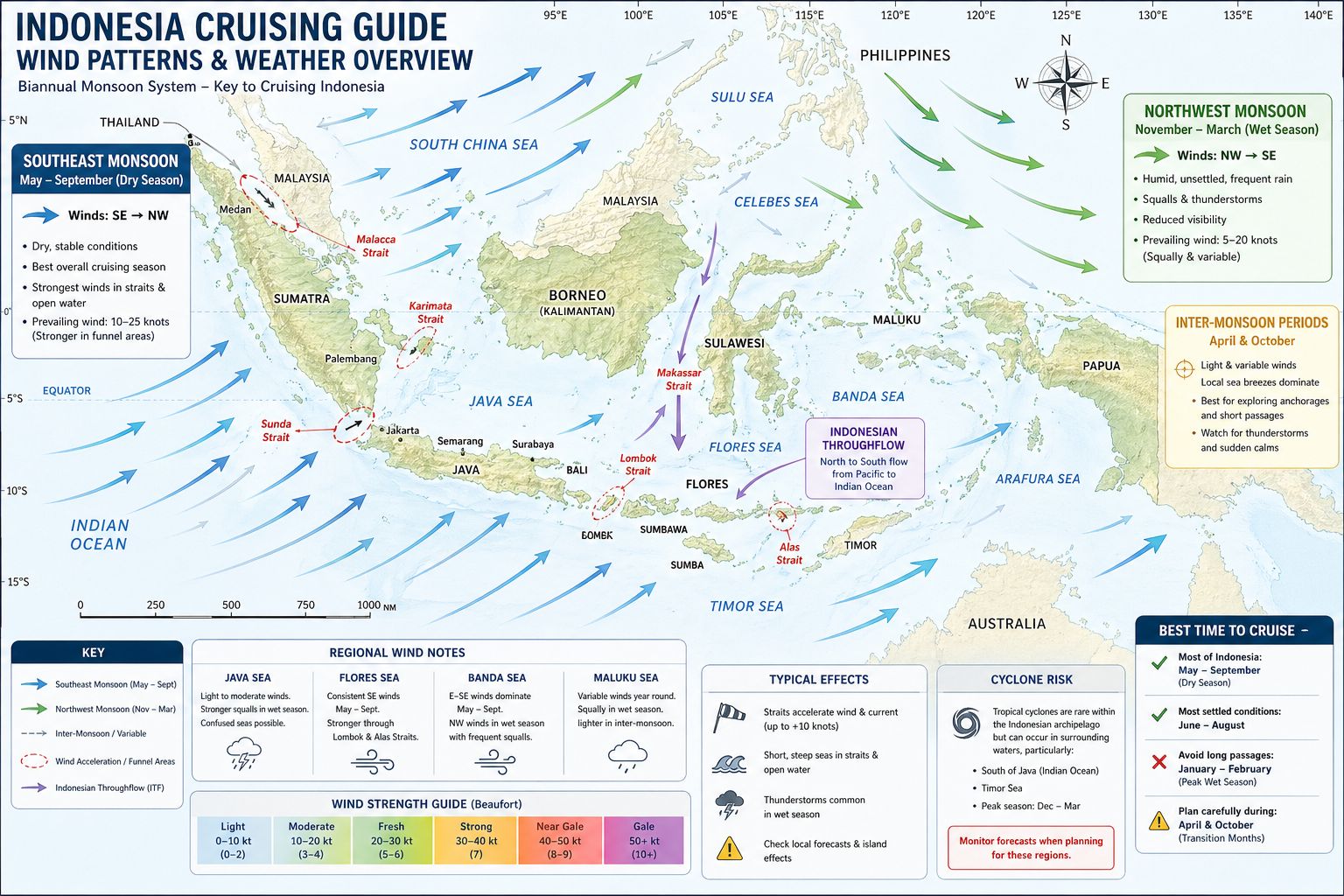
Batam experiences an equatorial climate with minimal seasonal variation. Winds are generally light to moderate, with the northeast monsoon from December to March bringing more consistent breezes and occasional squalls. The southwest monsoon from June to September produces lighter winds and calmer seas but higher humidity. Rainfall is frequent year‑round, often in short, intense bursts that reduce visibility. Seas around Batam are typically sheltered, though ferry wakes and wind‑against‑tide conditions can create short, steep chop in narrow channels.
Batam Cruising Guide for Yachts - Provisioning
Batam Batu Ampar (Riau Islands). Batu Ampar is a coastal district in Batam City, and I have spent much time working here in ship construction. It is a short ferry ride across to Singapore.
Supermarkets. Hypermart Batam Nagoya, One of Batam’s largest supermarkets. Jodoh Centre Supermarket is a top rated place. GOGO Supermarket in Batu Ampar, TOP 100 Lubuk Baja.
Markets. Pasar Batu Ampar in Batam City. Prices are negotiable, and quality is generally good. Hygiene standards vary, purchase produce from busy stalls with high turnover.
Fish Markets: Seafood is abundant, with daily landings of reef fish and pelagics. Cold‑chain reliability varies, so crews often select high‑turnover stores for perishables.
Batam Cruising Guide for Yachts - Water
Batam’s only reliable yacht‑suitable water is available at the marinas:Nongsa Point Marina, Marina Batam (Waterfront City), and Harris Resort Barelang Marina. All three provide non‑potable municipal water via dockside hose, suitable for tank filling only with onboard filtration. Water quality varies with municipal supply; yachts should treat all water before consumption. Marina access requires berthing or paid day‑use, and water is not available to anchored vessels.
Outside the marinas, Batam offers no public taps or wharf‑side hose points suitable for yachts. The commercial ports at Sekupang, Batam Centre, and Harbour Bay do not provide water to small craft. Village taps exist around the island but are low‑pressure, limited‑supply, and unsuitable for tank loading. Yachts anchoring outside the marinas must plan to enter a marina for water or rely on jerry‑can runs from small shops, which is not recommended due to uncertain quality.
Batam Cruising Guide for Yachts - Fuel
Batam provides yacht‑suitable diesel only at the marinas. Nongsa Point Marina and Marina Batam (Waterfront City) offer dockside diesel via marina‑controlled supply, typically automotive diesel with good turnover. Fuel is dispensed by hose at the berth or by marina‑managed jerry cans depending on berth location. Prices follow local market rates plus marina handling fees. This is the cleanest and most reliable diesel source in Batam.
Outside the marinas, diesel is obtained by jerry can from Pertamina stations in Nongsa, Batam Centre, and Sekupang. These stations supply standard automotive diesel, but transport to the waterfront requires motorbike carriers or hired drivers, and all fuel should be filtered during transfer. The commercial ports do not sell diesel to yachts. Small shops and villages may sell diesel in bottles or drums, but this fuel is not suitable for yacht tanks due to contamination risk.
All refuelling for yachts in Batam should be done at a marina or via jerry cans from named Pertamina stations, with filtration. Yachts should expect no dockside refuelling outside the marina network.
Batam Cruising Guide for Yachts - Marinas
Nongsa Point Marina: Nongsa Point is the primary yacht facility in Batam, offering sheltered berths, fuel, water, and full CIQP processing. Depths range from 3 to 5 m depending on tide. Manoeuvring space is limited, and tidal flow affects stern‑to operations. The marina is well‑positioned for arrivals from Singapore and onward passages through the Riau Islands.
Batam Centre: Batam Centre offers deeper approaches and proximity to commercial services but is busier and less yacht‑focused. Ferry wakes and small‑craft traffic require caution. Berth availability varies, and advance coordination is recommended.
Mechanical
and Electrical Repairs Resource
If you are headed somewhere remote in Indonesia then consider expanding your knowledge base or have an information resource on board for most DIY situations. Why not get a copy of my book The Marine and Electrical and Electronics Bible 4th Edition. By and for yachties, with everything from batteries and charging, solar and wind, diesel engines and marine electronics and so much more. Your complete boat systems guide. 650 pages of practical advice. In Australia or Southeast Asia go to Boat Books for a copy. By a yachtsman for other Yachtsmen and Yachtswomen. Marine systems are my profession so let me help you save money.


Batam Cruising Guide for Yachts - Services
Batam has a strong marine‑service sector due to its shipyards and commercial marine industry. Mechanical, electrical, welding, and fabrication services are widely available, though yacht‑specific expertise varies. Volvo Penta and Yanmar parts are typically sourced from Jakarta or Singapore, with local workshops handling routine servicing and minor repairs. Labour is affordable and generally reliable for straightforward tasks.
Batam Cruising Guide for Yachts - Communications
Marine VHF is unrestricted for standard use, and HF/SSB radios are accepted when operated on maritime frequencies. Satellite systems such as Iridium and Inmarsat are permitted. Starlink is widely used by visiting yachts but technically requires registration under Indonesian telecommunications rules, and although enforcement is inconsistent, skippers should remain aware of potential regulatory changes. All communication equipment should be declared during Customs clearance.
Batam Cruising Guide for Yachts - Local Cuisine
Batam offers a mix of Indonesian, Malay, and international cuisine, with seafood being a highlight due to the island’s fishing industry. Local warungs serve simple, inexpensive meals, while larger commercial districts offer a wide range of restaurants. Eating ashore is generally affordable and convenient for crews preparing for onward passages.
Batam Cruising Guide for Yachts - Cultural Norms
Batam follows Malay and Indonesian cultural traditions, with Islam being the predominant religion. Modest clothing is expected in local areas, and alcohol consumption should be discreet outside tourist zones. Photography of people or religious sites should be done respectfully and with permission. English is widely spoken in commercial districts but less common in local markets.
Batam Cruising Guide for Yachts - Summary
Batam is a practical and efficient port of entry for yachts transiting between Singapore and Indonesia. The Singapore–Batam crossing is short but demands careful tidal planning and disciplined traffic‑lane behaviour. Approaches are straightforward when managed with awareness of tidal flow and heavy traffic. Marinas, fuel, water, provisioning, and marine services are concentrated around Nongsa Point and Batam Centre, making the island a convenient base for clearance, resupply, and onward routing through the Riau Islands or deeper into Indonesia. The Batam Cruising Guide for Yachts will make cruising here easier.