Winterize Boat Fresh Water System
To properly winterize boat fresh water system is a critical procedure in regions where temperatures drop below freezing. Fresh water tanks, plumbing lines, pumps, filters, water heaters, and fixtures are all vulnerable to freeze damage. Water expands approximately nine percent when frozen, even a small volume trapped in a hose, valve, or pump chamber can rupture components and cause extensive damage when the system is reactivated in the spring.
The correct winterization process protects all parts of the boat water system, ensures a trouble-free spring recommissioning, and preserves the water quality. This article outlines the technical steps, considerations, and best practices required to properly winterize a marine fresh water system on both sail and power vessels.
Winterize Boat Fresh Water System
Preparatory Steps and System Assessment. Before draining or adding antifreeze, the system must be inspected and prepared. Winterization should ideally be performed when the vessel is hauled out or dockside with good access to hoses and drains.
Identify All System Components. A complete freshwater system may include:
- Fresh water tanks (one or more)
- Fresh water pressure pump
- Accumulator tank
- Water heater (electric/engine-coil calorifier)
- Tank level sensors
- Cold and hot distribution lines
- Shower sumps and drain pumps
- Onboard filters (sediment, carbon, UV units)
- Deck wash and transom shower lines
- Ice makers, washers, or other auxiliary appliances
Documenting the water flow path ensures no part of the system is missed
Select a Winterization Strategy
Select a Winterization Strategy. Two approaches exist:
Full Drain and Blow-Out Method. Involves removing all water and using compressed air to evacuate residual moisture.
Non-Toxic Antifreeze Method. Uses propylene glycol RV/Marine antifreeze pumped through the system.
Most use a combination of both, drain first, then fill circuits with antifreeze for guaranteed freeze protection.
Draining the Fresh Water Tanks
Empty the Tanks. Open all taps and run the pump until tanks run dry. Some boats have dedicated tank drains near the bilge or hull; use these if available to empty below pump pickup level.
Remove Sediment. Once tanks reach empty, flush with a small amount of clean water to remove residual sediment or scale. This keeps spring recommissioning easier.
Optional: Complete Drying. If the boat will be stored in a heated shed, tanks can be left dry. Otherwise, tanks are typically bypassed and left empty while antifreeze is pumped through downstream components.
Mechanical
and Electrical Repairs Resource
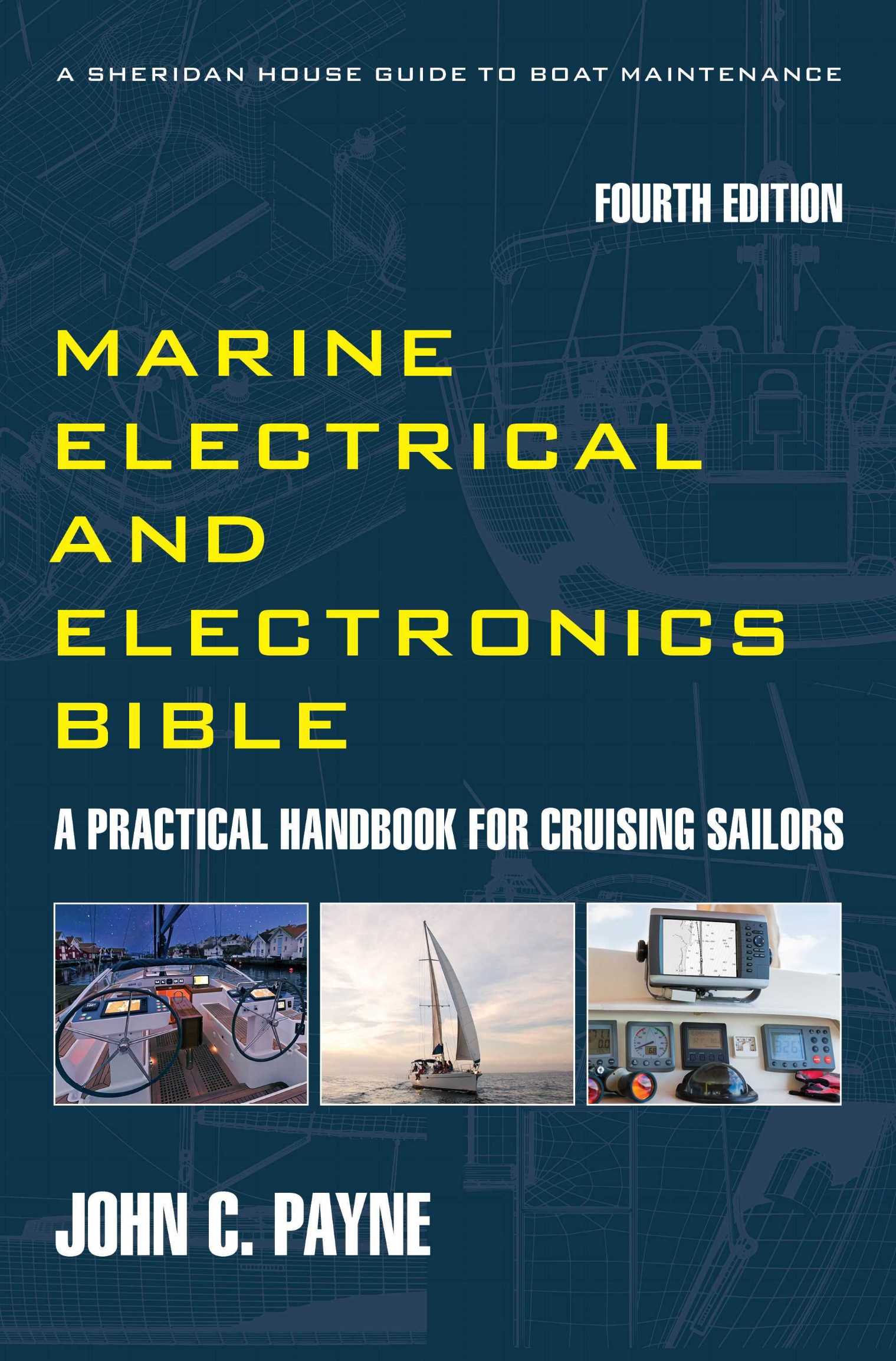
If you are headed somewhere remote consider the need to expand your knowledge base or have an information resource on board. Why not get a copy of my book The Marine and Electrical and Electronics Bible 4th Edition. By and for yachties, with everything from batteries and charging, solar and wind, diesel engines and marine electronics and so much more. Your complete systems guide. 650 pages of practical advice. In Australia and New Zealand order a copy through Boat Books. UK and European boats can buy the UK Edition Here. US and Canadian boats can get the US Edition Order Here. Marine systems are my profession so let me help you. By a liveaboard boat owner for other boat owners

Winterizing the Pump and Accumulator
Protect the Pump. Freshwater pumps contain diaphragm chambers, valves, and water-filled cavities that can freeze. Use the following steps:
- Run pump dry once tank empties.
- Disconnect the inlet hose and allow water to drain.
- If using antifreeze: reconnect inlet hose to a jug of antifreeze so the pump draws it in.
Accumulator Tank Considerations
- Accumulator tanks trap water on both sides of the bladder.
- Open taps until pink antifreeze emerges.
In cold climates, depressurize the accumulator completely using the Schrader valve to avoid internal pressure stresses.
Winterizing Plumbing Lines and
Fixtures
Draining Lines. Open each faucet, hot and cold, starting from the highest point and working downward. Drain transom showers, washdown outlets, and cockpit sinks as well.
Pumping Antifreeze Through Lines. With the pump inlet in a container of propylene glycol antifreeze, activate the pump and open each fixture in turn until antifreeze flows from the outlet. Some fixtures, such as washing machines or icemakers, require special bypass instructions. This protects:Hoses
- Mixer valves
- Aerators
- Shower heads
- Sump boxes
Low Points and Traps. These must be flushed until antifreeze concentration is sufficient to prevent freezing. Pay attention to low points where water collects:
- Shower drain hoses
- Sump pumps
- Siphon breaks
- Hot-cold mixer loops
Winterizing the Water Heater (Calorifier)
Winterizing the Water Heater (Calorifier). Marine water heaters require special handling because they can trap large volumes of water.
Bypass the Heater. Most installations include a water heater bypass kit with valves isolating the heater. If not installed, adding one simplifies winterization. Reasons to bypass:
- Heaters can hold 15–45 liters of water
- Filling them with antifreeze wastes significant volume
- Antifreeze may degrade taste in spring if residues remain
Drain the Heater
- Turn off power to the heater
- Disconnect or open the drain fitting
- Open the pressure-relief valve to vent
- Tilt unit slightly if needed to remove remaining water
- Once drained and bypassed, the heater remains empty for winter.
Filters, UV Systems, and Optional
Components
Remove Filters and Cartridges. Sediment and carbon filters should be removed and discarded before adding antifreeze. Antifreeze can foul filter media and render them unusable.
UV Purifiers. Bulbs should be removed and stored dry. UV chambers should be drained thoroughly to avoid cracking.
Ice Makers, Water Dispensers, Washers
Ice Makers, Water Dispensers, Washers. Follow manufacturer-specific winterization paths, typically involving:
- Draining internal reservoirs
- Running antifreeze briefly through the machine
- Disconnecting the supply line
Tank Level Sensors and Vents
Tank level sensors, float, pressure, or capacitive types, are typically safe when tanks are empty. Ensure vents remain unobstructed to prevent vacuum collapse when tanks contract in cold weather.
Winterizing Deck Fill
and Vent Lines
Deck fills often trap water around the hose leading to the tank. Tilt hoses downward and apply suction if necessary. Vent lines must also be checked to ensure no freeze-prone pockets exist.
Final Steps and System Verification
Antifreeze Recirculation Check. Once all fixtures run pink, close faucets (taps) and let the pump repressurize to distribute antifreeze into valves and check valves.
Inspect for Missed System Branches
These are commonly overlooked items and systems:
- Transom showers
- Washdown spigots
- Secondary heads with freshwater rinse
- Water maker feed lines (must NOT receive antifreeze unless pickling per the manufacturer instructions)
Label System as Winterized
Affix a note to the pump switch and water heater breaker indicating. Caution - antifreeze in the system.
Spring Recommissioning Considerations
Winterization is only half the job; correct spring recommissioning involves:
- Flushing antifreeze out of lines
- Sanitizing tanks with chlorine solution
- Inspecting hoses, clamps, and pump diaphragms
- Returning bypass valves to normal configuration
Winterize Boat Fresh Water System
Winterizing a boat’s fresh water system is a critical technical procedure that protects pumps, plumbing, tanks, and water heaters from freeze damage. By draining components, displacing water with non-toxic antifreeze, and bypassing sensitive equipment, a properly winterized system will survive freezing conditions intact and recommission smoothly in the spring. Attention to detail, correct sequencing, and thorough inspection ensure all components are protected, avoiding costly repairs and ensuring reliability for the next boating season. How to winterize boat fresh water system and keep everything ready for the next season.