Where to Provision a
Yacht in the Philippines
Where to provision a yacht in the Philippines. Provisioning a sailboat in the Philippines is easier when you understand how the supply hubs shape your options. From major cities like Cebu and Subic to remote anchorages in Palawan, each region offers different strengths for provisioning a sailboat in the Philippines. Cruisers researching where to provision a yacht in the Philippines quickly learn that supermarkets, public markets, and fuel access vary widely. Knowing these patterns helps crews plan efficient stops and avoid shortages during longer passages.
For sailors preparing for extended voyages, identifying the best places to provision a sailboat in the Philippines is essential. The archipelago’s mix of urban centres and isolated islands means that fresh produce, diesel, drinking water, and specialty items are not evenly distributed. Understanding yacht provisioning in the Philippines, from bulk shopping in Cebu to fresh‑market runs in El Nido or Coron, gives confidence to stock up strategically.
Where to Provision a
Yacht in the Philippines
Provisioning quality varies by region. Major cities offer full‑service supermarkets, while remote areas rely on local markets. Try to remember that The Philippines is a major exporter of Bananas, Mangoes, Pineapples and Avocados. The main vegetables in the Philippines include malunggay (Moringa), eggplant (Talong), chayote (Sayote), bitter melon, long beans, okra, squash, tomatoes, sweet potatoes (Kamote) and leafy greens such as amaranth and jute mallow. These appear consistently across the search results as the most common, widely grown, and widely consumed vegetables in Filipino markets and home gardens.
Provisioning in Palawan
(Puerto Princesa • El Nido • Coron)
Palawan is more remote than Cebu or Subic, so provisioning varies significantly by location. Puerto Princesa is the only true “full‑service” provisioning hub; El Nido and Coron are excellent for fresh
Puerto Princesa is the only city in Palawan with large supermarket chains, warehouse stores, and reliable logistics. Yachts typically do their major provisioning here before heading north to El Nido, Coron, or the Calamianes.
Supermarkets: Robinsons Supermarket (Robinsons Mall) is a large, modern supermarket with fresh produce, meat, seafood and good selection of imported goods. Best for full provisioning before heading north or South. SM Supermarket (SM City Puerto Princesa) has a wide selection of groceries with a good bakery and deli, imported cheeses, dairy, and packaged goods and a reliable cold chain. NCCC Supermarket is a local chain with good prices on fresh produce and dry goods and best for: topping up basics. Robinsons EasyMart/Puregold Jr and smaller stores around the city and good for quick runs for basic groceries and household items
Fresh Markets: New Public Market (San Jose Market) is the largest fresh market in Puerto Princesa. Excellent vegetables, fruit, herbs, fresh fish, squid, prawns, and shellfish, meat and poultry stalls at very competitive prices. Best for big fresh‑produce runs before heading north. Baywalk Fish Market is smaller but convenient with fresh catch from local boats and good for topping up seafood
Specialty Stores include Healthy Options (SM) for organic and specialty items. Bakeries include French Baker, Itoy’s Coffee, local panaderias
Provisioning in Palawan (El Nido)
El Nido is excellent for fresh produce and seafood, but lacks large supermarkets. Imported goods are limited and expensive. Most yachts arrive here already fully provisioned from Puerto Princesa.
Supermarkets: Grocery stores in town (small to medium size). Savemore (SM affiliate) is the closest thing to a chain supermarket. There are the usual local minimarts for snacks, dry goods, and basics. Expect limited dairy, limited imported goods, higher prices than Puerto Princesa
Fresh Markets: the El Nido Public Market has good vegetables and fruit, fresh fish, squid, and prawns. Meat and poultry are available but variable quality. Best visited early morning
Provisioning in Palawan (Coron)
Coron Town is a major stop for yachts cruising the Calamianes. It has good fresh markets and several mid‑sized grocery stores, but still no large supermarket chains.
Supermarkets. Coron Harvest is the best general grocery store. Lolo Nonoy’s / FCB Supermarket is good for dry provisions. The usual local minimarts for snacks and basics
Fresh Markets. The Coron Public Market has excellent seafood (tuna, marlin, reef fish, squid, and prawns. Good vegetables and fruit with meat and poultry available. As usual also very active early morning.
Where to Provision a
Yacht in the Philippines - Cebu
Cebu City and the surrounding Mactan–Lapu Lapu area offer some of the most comprehensive provisioning options in the Philippines. For yachts based at Cebu Yacht Club, Mactan Newtown, or Portofino, provisioning is straightforward, with multiple large supermarket chains, wet markets, and specialty stores within short taxi distance. It’s an ideal place to fully provision before heading south to Bohol, Negros, Siquijor, or Palawan, or before staging for a northbound passage to Luzon or Taiwan.
Supermarket Chains. (Best for Full Provisioning). SM Supermarket (SM City Cebu & SM Seaside). Very large full service fresh vegetables, fruit, meat, poultry, and seafood, imported goods (cheese, deli meats, sauces, cereals). Robinsons Supermarket (Robinsons Galleria & Robinsons Fuente) is a reliable mid‑range supermarket offering everything and good for general provisioning and topping up. Metro Supermarket (Ayala Center Cebu) is located inside Ayala Mall, with high‑quality produce and good selection of imported goods. Landers Superstore (Cebu City) is a membership‑based warehouse supermarket similar to Costco: with bulk dry goods and imported meats and cheeses. Good for long‑term provisioning and stocking up before extended cruising. S&R Membership Shopping (Mandaue) is another warehouse‑style store with bulk items and imported US brands, bakery, frozen meats and seafood best for bulk provisioning and hard‑to‑find Western brands.
Fresh Markets: Carbon Market (Cebu City) is the largest and most famous public market in Cebu. It has a huge selection of vegetables, fruit, herbs, fresh fish, shellfish, and squid, pork, chicken, beef, dry goods, spices, and local staples at very competitive prices. It is busy, chaotic, and best visited early morning. Ideal for large fresh‑produce runs. Lapu‑Lapu Public Market (near Cebu Yacht Club). Convenient for yachts staying on Mactan Island with reef fish and shellfish, fresh vegetables and fruit, eggs, rice, noodles, and local staples. Best for: quick provisioning runs without crossing the bridge into Cebu City.
Fish Markets. The Pasil Fish Market (Cebu City) is the main wholesale fish market with tuna, mackerel, marlin, mahi‑mahi, reef fish and shellfish. They are the best prices in Cebu. Cruisine Note: Go early (04:00–07:00) for the freshest catch.
Bakeries & Specialty Food Stores. Try the French Baker (Ayala & SM) for baguettes, pastries, sandwich loaves. La Vie Parisienne (Lahug) for artisan bread. Rustan’s Marketplace (Ayala Center) for high‑end supermarket section with imported cheeses, meats, and wines
Water and Cold Storage. Ice available at all major supermarkets and convenience stores. Filtered water available from refill stations (bring jerrycans). Cebu Yacht Club provides potable water at the dock (filtering still recommended).
Marine Supply Shops (Mandaue & Cebu City). Stocks basic chandlery items, ropes, shackles, lubricants and limited yacht‑specific gear. For specialized parts, most cruisers import via Cebu or Manila.
Logistics & Transport. Taxis and Grab (ride‑hailing) are reliable and inexpensive. Supermarkets allow trolley loading directly into taxis. There are delivery services available from SM, Robinsons, and Landers. Cebu Yacht Club has easy vehicle access for loading provisions
Where to Provision a
Yacht in the Philippines - Subic Bay
Subic Bay is one of the Philippines’ most practical and yacht‑friendly harbors, offering deep water, reliable shelter, and full marine services. It sits inside a former U.S. naval base, which means the infrastructure is far more developed than in most other Philippine cruising areas. For cruising yachts, the main advantages are the marine services and supply chain. The Subic Bay Freeport Zone hosts haul‑out yards, riggers, mechanics, welders, chandlery suppliers, and industrial workshops capable of handling everything from engine rebuilds to fabrication. Fuel, water, and provisioning are easy, with supermarkets, hardware stores, and duty‑free outlets close to the marinas. It is a common staging point for yachts heading north toward Taiwan or west toward Palawan.
Supermarkets. Subic Bay has two reliable supermarket options inside the Freeport Zone and one major public market just outside the gate in Olongapo. Together they cover everything from imported goods to fresh produce and seafood.
Royal Duty Free. This is a large, well‑known supermarket inside the Freeport Zone. It stocks imported goods, packaged foods, snacks, beverages, and household items. It is popular with expats and yacht crews because of its wide selection and duty‑free pricing. It is listed as a major grocery store in Olongapo/Subic Bay
Oscar’s Supermarket. This is located within the Subic Bay Freeport Zone. It is a general supermarket offering everyday groceries, dry goods, and household supplies. Very suitable for topping up basic provisions before departure.
Puregold (Olongapo City) is a national supermarket chain with full food range. It is located just outside the Freeport Zone. SM Supermarket (SM City Olongapo) is located with the SM Mall and is a full‑service supermarket offering fresh fruit and vegetables. meat, poultry, and seafood, packaged and imported goods. It’s one of the best all‑round supermarkets in the area.
Olongapo City Public Market. This is the main fresh‑food market serving Subic Bay, located just outside the Freeport Zone. It offers fresh vegetables, fruits, seafood, meat and dry goods and household items. Prices are negotiable, and the market is known for good-quality fresh produce at reasonable prices.
Where to Provision a
Yacht in the Philippines - Puerto Galera
They have a mooring based marina, with 28 moorings and they are typhoon. This offers reliable shelter in all weather conditions. It has a very friendly, active cruising community. There is access to basic repairs and services. The proximity to Manila and Batangas for logistics is useful. It is one of the most established yacht‑oriented locations in the Philippines. It is often described as the “home of the Cruising Yacht Club of the Philippines.
Puerto Galera Public Market. Daily fresh produce, reef fish, and shellfish
Local Minimarts. These stock basic dry goods, snacks, and beverages. Nearby Batangas City is accessible by road for bulk provisioning at SM Hypermarket and Puregold.
About Batangas Coffee
Batangas coffee is also known locally as Kapeng Barako and is a uniquely Filipino coffee made from the Liberica species, famous for its bold aroma, anise‑like notes, and deep cultural roots in Batangas and Cavite. It’s one of the rarest commercially grown coffees in the world and is considered an endangered heritage food. And is grown primarily in Batangas and Cavite provinces in the Philippines. The key characteristics are that it is made from Liberica, a species that represents less than 2% of global coffee production. It is known for a strong, bold flavor. Aroma often described as anise‑like or slightly floral with Slightly woody or smoky undertones. Beans are larger and more irregularly shaped than Arabica or Robusta. The word barako means “stud” or “wild boar” in Filipino languages, symbolizing strength and masculinity, reflecting the coffee’s bold profile. Batangas coffee is deeply tied to the identity of the Batangueño people. A historically important crop, Batangas was once a major global coffee exporter in the 19th century. You can find Batangas coffee in local markets in Batangas and Cavite, specialty Filipino stores and direct‑from‑farm brands such as “Batangas Best” which promote 100% Liberica beans.
Ilocos Norte and Ilocos
Sur
Vigan, is located in Ilocos Sur, is one of the best‑preserved Spanish colonial towns in Asia and a UNESCO World Heritage Site. Its core attraction is the historic district of Calle Crisologo, where stone houses, cobblestone streets, and ancestral buildings reflect 16th–19th century architecture. The town sits inland on the west coast of Luzon, making it a practical cultural excursion for yachts anchored in Currimao. Currimao, in Ilocos Norte, is a small coastal municipality with a functional port designated for international entry, making it one of the few official clearance points in northern Luzon. The harbor is exposed but workable in settled weather, and it serves as a practical landfall for yachts arriving from or departing for Taiwan or Okinawa. Facilities are limited: there is no marina, no yacht services, and only basic provisioning in the immediate area. Larger supplies are available in Laoag City, about 25–30 minutes inland. Currimao’s value lies in its CIQ availability, road access to Laoag and Vigan, and its position as a northern Luzon gateway. Most yachts treat it as a clear‑in port and staging point, not a long‑stay destination.
Where to Provision a
Yacht in the Philippines - Ilocos Norte & Pagudpud
Pagudpud (Ilocos Norte). A small coastal village offering a calm anchorage in settled weather. Provisioning in Pagudpud is limited to small sari‑sari stores selling snacks, rice, eggs, and basic dry goods. Fresh produce is available in small quantities from roadside vendors. For more substantial provisioning Laoag has an airport with 1 hr flights to Manila and is a 2-hour bus ride away. Anchor holding is good in sand however the currents can be strong and also there is a reason there is a big wind farm on the coast not far away.
Pagudpud Market. Fresh produce, fruit, vegies, seafood and so on, easy walk from the beach.
Laoag City Public Market (Ilocos Norte) is a large market with vegetables, fruit, pork, chicken, and seafood
Robinsons Supermarket. Laoag is the best supermarket option in Northern Luzon
Seafood. Seafood is widely available throughout the Philippines, especially reef fish, squid, and shellfish. Tuna and pelagic species are sold in larger markets. Prices are low, but quality varies. Ice is available in most towns. You can buy direct from fisherman when they return in their banca (outrigger boats). Currimao Fish Landing. Occasional availability of tuna, mackerel, and reef fish.
Cruisine. Tartaruga’s Hotel and Restaurant is near the beach, better than western standard rooms and restaurant which is owned by an Australian yachtsman and his local wife. They call it the unofficial yacht club. Yachts do occasionally anchor off the beach. They also serve very good coffee from their Italian Espresso machine, and the beer is ice cold.
Mechanical
and Electrical Repairs Resource
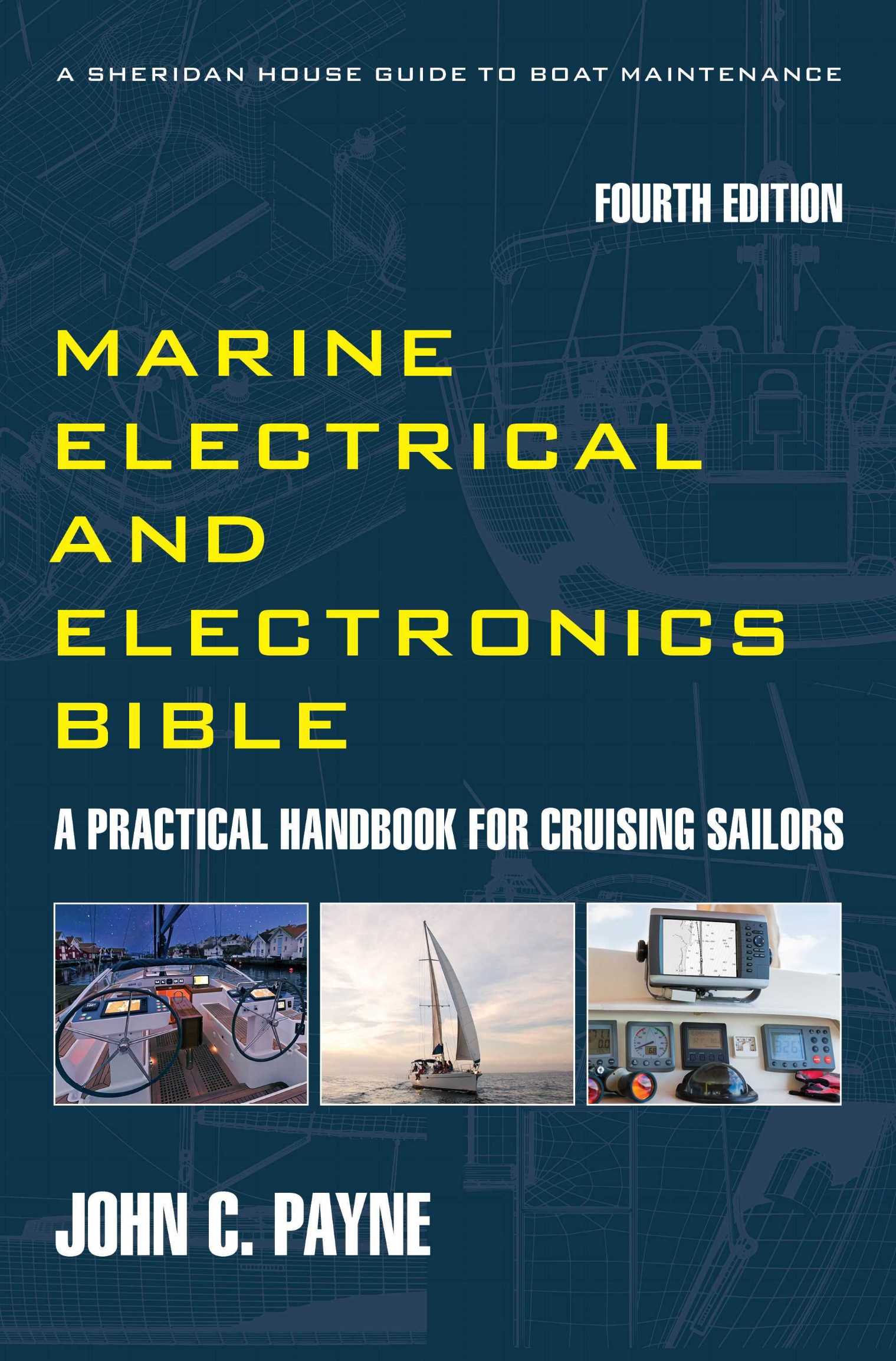
If you are headed somewhere remote consider the need to expand your knowledge base or have an information resource on board. Why not get a copy of my book The Marine and Electrical and Electronics Bible 4th Edition. By and for yachties, with everything from batteries and charging, solar and wind, diesel engines and marine electronics and so much more. Your complete systems guide. 650 pages of practical advice. In Australia and New Zealand order a copy through Boat Books. UK and European boats can buy the UK Edition Here. US and Canadian boats can get the US Edition Order Here. Marine systems are my profession so let me help you. By a liveaboard boat owner for other boat owners


Where to Provision a
Yacht in the Philippines
Where to Provision a Yacht in the Philippines. Provisioning a sailboat in the Philippines is all about understanding where the country’s best supply hubs are and how to use them efficiently. With supermarkets, public markets, fuel stations, and water refill points spread unevenly across the archipelago, crews researching where to provision a yacht in the Philippines quickly discover that planning ahead makes every passage smoother. Major centres like Cebu, Subic Bay, and Puerto Princesa offer the widest selection, while remote islands require a more strategic approach. For sailors preparing longer voyages, identifying the best places to provision a sailboat in the Philippines becomes essential. Fresh produce, diesel, drinking water, and specialty items vary dramatically between regions, and knowing what to expect helps avoid shortages offshore. Understanding yacht provisioning in the Philippines, from bulk shopping in major cities to fresh‑market runs in El Nido or Coron, gives crews the confidence to stock up on provisions and maintain self‑sufficiency throughout the cruising season.