What is a boat scupper
What is a boat scupper? It sounds like an old sailing ship term but it is very relevant today. A boat scupper is a critical drainage feature designed to allow unwanted water on the deck to exit the vessel rapidly and safely. Scuppers serve as overboard drains for exposed areas such as side decks, cockpits, anchor wells, and working platforms. In essence, a scupper is any opening, port, or drainage pathway that channels deck water overboard, preventing accumulation that could compromise vessel stability, safety, or operability. While simple in appearance, scuppers form part of a carefully engineered system that must balance drainage efficiency with watertight integrity, backflow prevention, and compliance with marine safety standards.
Scuppers are an essential yet often overlooked feature of a sailing yacht’s deck design. These openings, typically set low along the bulwarks or toe rails, allow seawater, rain, or wash-down water to drain efficiently overboard, keeping the deck clear and safe. By preventing pooling, scuppers reduce slip hazards and protect fittings from corrosion caused by standing water. Their size, placement, and maintenance are critical to effective performance, especially in heavy seas when rapid drainage is vital. For sailors, understanding scuppers is part of mastering onboard safety, ensuring both crew comfort and vessel integrity during extended voyages.
What is a boat
scupper function
The primary function of a scupper is gravity drainage. On a vessel with self-draining decks or cockpits, any water from rain, spray, green seas, or washdown hoses must drain directly overboard without entering the hull. Scuppers prevent:
- Deck Flooding. Standing water on deck increases slip hazards, adds unnecessary weight, and can affect stability. On smaller vessels, even a few hundred litres of water can significantly alter trim or heel.
- Water Ingress Into Accommodation or Machinery Spaces. Scuppers prevent runoff from migrating into hatches, lockers, lazarettes, or below-deck compartments.
- Structural Damage. Chronic pooling contributes to corrosion, accelerated wear of deck coatings, and wood rot on older vessels.
- Compliance With Safety Requirements. Commercial and surveyed vessels are typically required to have scupper sizes and numbers adequate to drain the deck within a prescribed timeframe.
Mechanical
and Electrical Repairs Resource
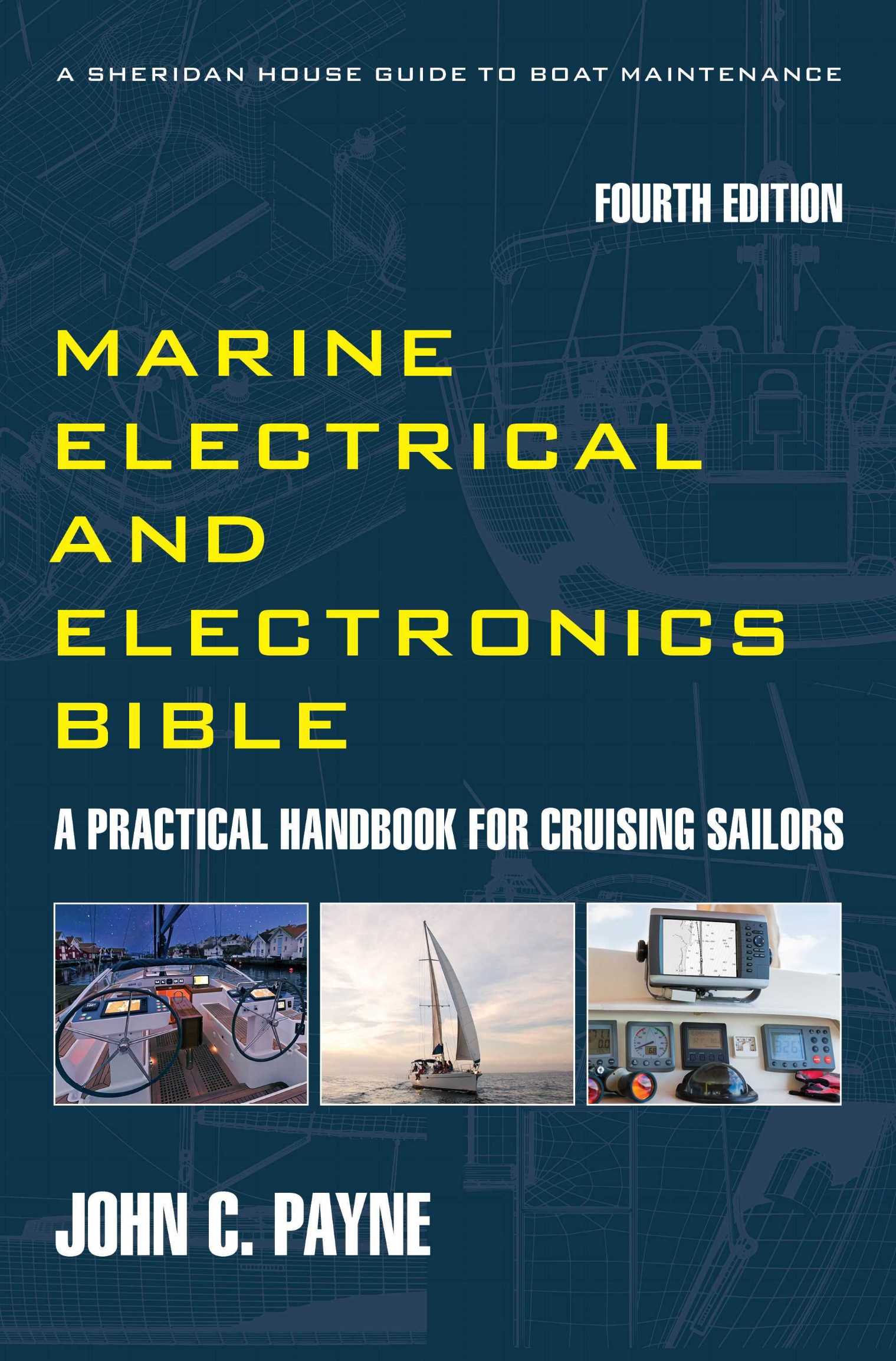
If you are headed somewhere remote consider the need to expand your knowledge base or have an information resource on board. Why not get a copy of my book The Marine and Electrical and Electronics Bible 4th Edition. By and for yachties, with everything from batteries and charging, solar and wind, diesel engines and marine electronics and so much more. Your complete systems guide. 650 pages of practical advice. In Australia and New Zealand order a copy through Boat Books. UK and European boats can buy the UK Edition Here. US and Canadian boats can get the US Edition Order Here. Marine systems are my profession so let me help you. By a liveaboard boat owner for other boat owners

Scupper Design and Construction
Although the concept is simple, scupper design varies depending on vessel type, hull form, freeboard, and regulatory requirements. Scuppers can take the form of:
- Side-Hull Drain Ports. These are openings fitted through the hull at deck level, discharging directly overboard. They are common on sailboats, motor cruisers and workboats with self-draining cockpits.
- Cockpit Floor Drains. These drains connect the lowest points of the cockpit to overboard discharge ports via hoses or rigid piping. They require reinforced fittings, secure hose clamps, and anti-siphon measures where the run dips below the waterline.
- Deck Channel Scuppers. Longitudinal channels or gutters running along cabin tops and side decks feed water into scupper ports. These prevent water pooling around deck hardware and hatch coamings.
- Anchor Well and Foredeck Scuppers. Typically found in recessed anchor lockers or chain boxes, these scuppers must handle continuous water exposure due to spray and anchor retrieval. Materials. Scuppers are commonly fabricated from:
- Stainless steel (316 grade) for corrosion resistance
- Bronze on traditional vessels
- UV-stable plastics or composite fittings on production fiberglass boats
- Aluminium on alloy hulls, matched to prevent galvanic corrosion
- Screens or grilles are often integrated to prevent blockage by leaves, debris, or loose gear.
Drainage
Performance Considerations
An effective scupper must possess adequate hydraulic capacity, measured by its ability to move water rapidly even when the vessel is heeled, rolling, or pitching.
- Size and Cross-section. Regulatory and design guidelines often specify a minimum area. On small yachts, typical scupper diameters range from 25–50 mm for deck drains and up to 90 mm or more for cockpit drains.
- Freeboard and Discharge Height. A scupper that discharges too close to the waterline can allow water ingress during heavy seas. Ideally, the discharge port sits well above the static and dynamic waterline.
- Slope and Flow Path. Scupper channels and hoses must be installed with a continuous downward slope to prevent airlocks or standing water.
- Losses From Friction and Bend Radii. Long hose runs, multiple elbows, and corrugated hose introduce friction losses, reducing effective flow. Marine-grade smooth-bore hose is preferred.
- Impact of Vessel Heel. On sailboats, when the vessel heels, some scuppers rise above the waterline while others become submerged. Designers account for this by ensuring adequate drainage on both tacks.
Backflow
Prevention
Preventing seawater from entering through scuppers is essential. Backflow can flood a cockpit, add dangerous weight, and force water into the hull. Common prevention methods include:
- Flapper Valves. Rubber or silicone one-way flaps fitted outside the hull open under outbound flow and close under back pressure.
- Hinged or Weighted Scupper Covers. Common on commercial fishing vessels, these provide robust mechanical backflow resistance.
- Raised Coamings. Many cockpits incorporate raised surrounds that act as barriers before water reaches the scuppers.
- Anti-Siphon Loops. When a drain hose runs below waterline, a vented loop or siphon break must be installed at the highest point.
- Non-Return Valves. Used selectively, as they can clog if maintenance is neglected.
Installation
Requirements
Marine standards emphasise reliability under demanding conditions.
- Reinforcement. Scupper openings through the hull require structural reinforcement, especially on cored hulls which must be sealed to prevent moisture intrusion.
- Secure Hose Connections. Double stainless hose clamps are standard practice. Clamps must be 316 grade and not perforated-worm type in critical areas.
- Accessibility. All scupper hoses and fittings should remain accessible for inspection and replacement.
- Avoiding Chafe and Mechanical Damage. Hose routing must avoid sharp edges and moving components. Protective sleeves or bulkhead penetrations are commonly installed.
- Compliance With Standards. Depending on vessel type, scuppers may fall under ISO 11812 (watertight cockpits), ABYC H-3, or commercial vessel regulations such as SOLAS and Class Rules.
Maintenance and
Inspection
Scuppers require regular maintenance to remain functional:
- Clear debris such as leaves, line offcuts, fish scales, or corrosion deposits
- Inspect hoses for brittleness, delamination, or soft spots
- Check for cracking in plastic fittings or loose bedding compounds
- Verify backflow valves operate freely
- Examine for corrosion on metal components
- At haul-out, scupper through-hulls should be rodded or flushed to ensure no internal obstructions exist.
Common Failure
Modes
In several documented cases, vessels have been lost due to blocked or compromised scupper drainage. A scupper failure is serious and can rapidly lead to flooding. Typical causes include:
- Blockage by debris or fish remnants on working vessels
- Hose detachment due to failed clamps
- Impact damage from docking or heavy objects
- Cracked fittings from UV degradation
- Undersized scuppers unable to cope with heavy boarding seas
What is a boat scupper
What is a boat scupper is a great question to ask yourself. A boat scupper is far more than a simple hole in the deck or hull. It is a carefully engineered drainage system essential for vessel safety, stability, and operational reliability. Proper sizing, placement, backflow prevention, and maintenance ensure that deck water can exit quickly and consistently, even under severe sea conditions. Whether on a small yacht or a commercial craft, well-designed scuppers play a vital role in protecting both vessel and crew. Ask the question what is a boat scupper and then check out your own boat arrangements.