What are Some Tropical Fruits
What are some tropical fruits? Tropical fruits form one of the world’s most colourful and flavour-rich food groups, originating across equatorial regions of Asia, Africa, South America and the Pacific. Mangoes deliver fragrant sweetness, pineapples combine tang and juice, while papayas, guavas and bananas offer creamy or refreshing textures. More exotic varieties, rambutan, starfruit, soursop and mangosteen, highlight just how diverse tropical flavours can be, from tart and citrus-like to sweet and perfumed.
Cruising sailors are uniquely positioned to explore this abundance. Arriving in new ports, they encounter vibrant markets where growers sell fresh produce picked only hours earlier. Bundles of bananas hang beside crates of fragrant mangoes; strange fruits invite sampling and conversation. Local vendors happily share tips on ripeness, preparation and traditional recipes. For sailors provisioning their voyage, these markets become culinary classrooms, transforming meals aboard with new tastes and textures. Discovering tropical fruit becomes part of the adventure, linking food, culture and travel across the seas
What
are Some Tropical Fruits - Mangabe
The mangabe has its origins in the Amazon. Often confused with mango due to its name, is a tropical fruit native to Brazil, especially the Cerrado and Amazon regions. The fruit has a round to oval, smooth yellow-green skin that wrinkles when ripe. The pulp is soft, juicy, creamy and gelatinous consistency, sweet with a flavor often described as a blend of peach and banana.
What
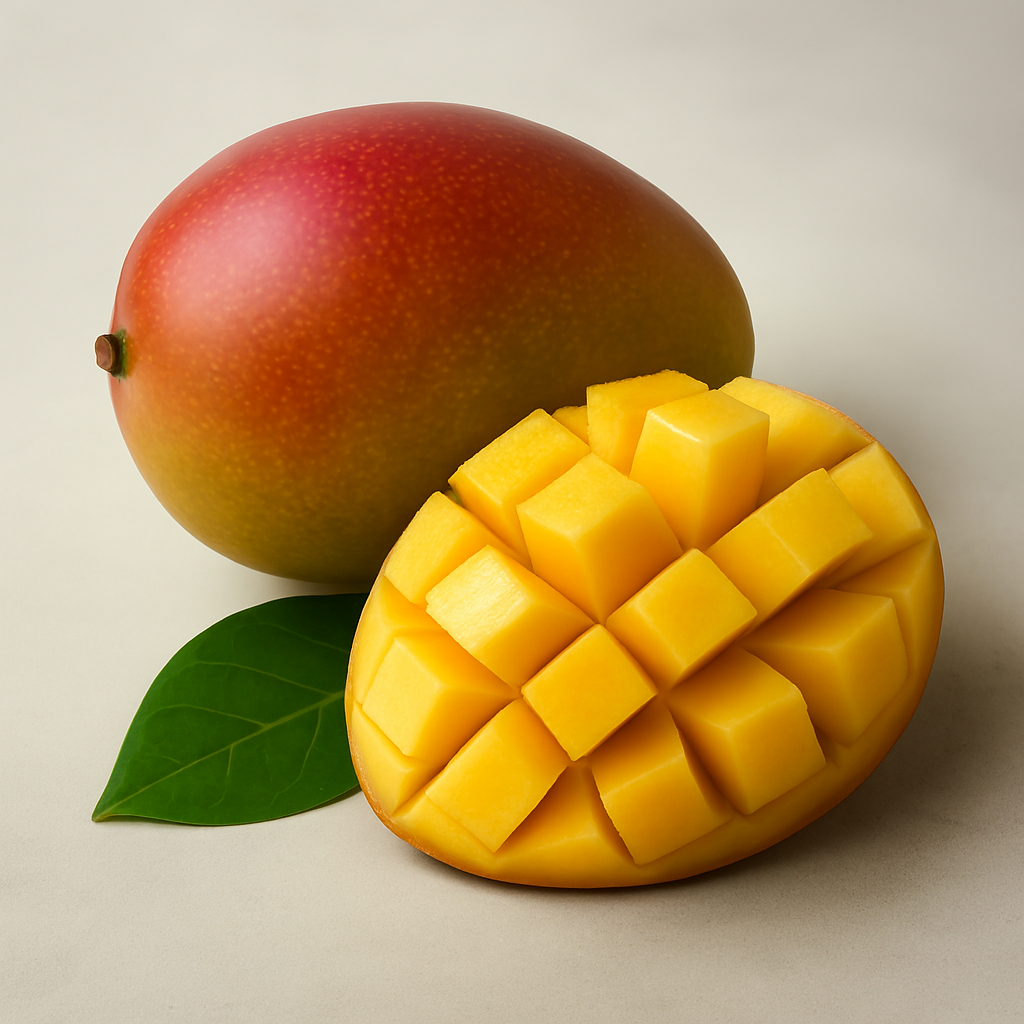
are Some Tropical Fruits - Mango (Manga)
My favorite fruit. The mango originated in the northeastern Indian subcontinent, present-day Bangladesh, northeastern India, and Myanmar. It has been cultivated for over 4,000 years. In around 300 A.D., mango seeds traveled westward with seaborne traders to the Middle East and East Africa. The Portuguese introduced mangoes to Africa and Brazil in the late 15th century. Spanish explorers carried them to South America and Mexico in the 1600s. Major mango producers now include India, China, Thailand, Indonesia, Mexico, and Brazil. The mango is the national fruit of India, Pakistan, and the Philippines. There are over 1,000 cultivars worldwide. In the Caribbean the dou-dou and calibash are popular, and there are the Haitian Baptiste, the Jamaican Bombay, the Trinidadian Graham and the Toledo, Prieto and the San Felipe. There is the Indian Alphonse and Kesar, the Edward and the Manila and Palmer. They are used unripe in Asian and West Indian cooking. They vary in color from green, pale green to yellow, and shapes from round or oval. Select fruit without blemishes, ripening takes 3-5 days. Peel, remove the seed and just eat from the skin, and I do like sucking mango flesh from the seed. Then you could chill and add vanilla ice cream topped with passionfruit pulp, my favorite dessert. I also love dried mango as a snack.

What
are Some Tropical Fruits - Mangosteen
(Mangostan)
It has origins in South East Asia. Now grown and found in the Caribbean and Central America. There are two types, the Purple Mangosteen which is delicious when eaten fresh. The Yellow Mangosteen is quite acidic and used in drinks. The fruit has a purple skin, with a segmented and pearly white luminous center. The flavor is both sweet and tart with a peach, citrus, strawberry flavor balance.
Mammee Apple (Santo Domingo Apricot, South American Apricot, Tropical Apricot. Mamey Amarillo, Yellow Mamey)
This tropical fruit is native to the Caribbean and tropical Central and South America. This is a large round fruit. It has a thick, rough brown rind, a bright yellow-orange and aromatic, creamy flesh, and 1-4 large seeds. The flavor is sweet, rich and slightly tangy and often compared to apricot or peach but more intense. It is eaten raw and chilled. It is used in jams, jellies, and desserts such as fruit salads. The flowers are distilled into eau de Créole, an aromatic liqueur.
Mamey Sapote (Mamey Colorado.
Zapote Colorado. Zapote Rojo)
This is a tropical fruit native to southern Mexico and Central America, now widely cultivated across the Caribbean, Florida, and parts of South America. It is the Cuban national fruit. It has a rough brown skin, with a dense and vibrant orange-red flesh. They taste has a sweet custard like flavor tasting like a mix of sweet potato, papaya and almond. It is used in jams and cooking. Mash into smoothies, custards or baking. Eaten raw where it is scooped out when ripe. Popular in smoothies, milkshakes and ice cream.
Mabolo (Velvet Apple. Philippine
Persimmon. Velvet Persimmon. Kamagong)
A tropical fruit native to the Philippines and now Malaysia, Indonesia. Also known as Pomme velours, Manzana de terciopelo, Maçã-de-veludo. It has a velvety reddish-brown skin and an aromatic, soft, creamy, pink to light orange flesh with a strong odor that is described as cheesy or musky. The taste is sweet, with a peach-like flavor, and is mildly acidic. It is eaten raw although many prefer to peel and chill it first. Used in salads, desserts and in jams.
Malay Apple (Mountain Apple, Rose
Apple. Otaheite Apple. Pomarosa. Jambos)
This is a tropical fruit native to Southeast Asia, namely the Malay peninsula and the Pacific Islands. Now widely cultivated in Malaysia, Indonesia, the Philippines, and Hawaii, where it’s known as ʻŌhiʻa ʻai. Also known as Pomme malaisienne, Manzana Malaya, Maçã-da-Malásia. It produces a pear shaped or oval fruit, that is glossy red, pink, or purple with crisp, juicy white flesh. The flavor is mildly sweet, slightly floral with rose water tones and is thirst quenching. Eaten raw and chilled and sprinkled with salt. Used in juices.
Malabar Chestnut (Saba Nut, Guiana
Chestnut, Provision Tree, Money Tree)
This is a tropical tree native to Central and South America. It produces large green pods containing edible seeds about the size of a cashew, that taste similar to peanuts or chestnuts when roasted. They are eaten raw, but don’t eat raw in quantities. They are used like nuts in salads or rice dishes.
Mamoncillo (Spanish Lime, Quenepa,
Genip, Limoncillo, Chene)
This is a tropical fruit native to northern South America, Central America, and the Caribbean. It resembles a small lime with a green rind, but inside has a juicy, tangy-sweet pulp clinging to a large seed. See Genip entry.
What
are Some Tropical Fruits - Maqui Berry
Native to Chile and Argentina, so not strictly a tropical fruit. Traditionally harvested by the indigenous Mapuche people. It is considered a “superfruit” due to exceptionally high antioxidant content. They produce small, round, dark-purple berries resembling blueberries. The flavor is tangy, slightly sweet, similar to a mix of blackberry and raspberry. Eaten raw or dried and added to smoothies, juices and jams.
What
are Some Tropical Fruits - Marsh Apple (Mangrove Apple)
This is a fruit-bearing tree native to coastal mangrove areas of South Asia and Southeast Asia (India, Sri Lanka, Thailand, Vietnam, Indonesia, Philippines). It produces round, green fruits with a reddish crown. The fruit is edible, soft, spongy and mildly acidic and slightly sour. The tart flavor is sometimes compared to unripe guava or apple. Eaten raw, in in juices.
What
are Some Tropical Fruits - Marula Fruit
Not strictly a tropical fruit but is a subtropical savannah fruit. Originates in Southern Africa (Botswana, Namibia, and South Africa). Archaeological evidence shows marula fruit was consumed as far back as 10,000 B.C., making it one of Africa’s oldest known food sources. The fruit is round, yellow when ripe, about the size of a plum with juicy pulp surrounding a hard stone with edible kernels. The flavor is sweet-tart, tropical, with notes of plum, apricot, and citrus or a sweet tropical pear. The fruit ferments quickly after falling, and is famously linked to “drunk elephants” and humans. Used in beverages like Amarula Cream Liqueur.
What are Some Tropical Fruits - Melon Pear (Pepino Melon)
This fruit originates from the Andean highlands of South America (Peru, Ecuador, and Colombia). Also known as Poire melon, Pepino dulce, Melão-pera. Now grown in South America, California, New Zealand, Australia, and parts of Asia. The fruit is oval or pear-like with a smooth, thin skin ranging from green to yellow, often streaked with purple. The flesh is pale, juicy, crisp, with a texture between a cucumber and melon. The flavor is sweet, with a mild flavor of melon and cucumber. Similar to cantaloupe or honeydew, but lighter and more refreshing. Eaten raw sliced, or scooped like melon. Used in fruit salads, smoothies, or chilled desserts
What
are Some Tropical Fruits - Miracle Fruit
This is a small red berry native to West Africa that makes sour foods taste sweet by temporarily altering taste perception, sour becomes sweet. Effect is temporary but avoid immediately seasoning dishes too sweetly. Sour foods like lemons, limes, vinegar, or even mustard taste sweet for up to 30–60 minutes.
Monstera deliciosa Fruit (Fruit Salad Plant.
Mexican Breadfruit. Swiss cheese plant)
It originates from Southern Mexico and Panama. The fruit ripens gradually, with hexagonal green scales falling off in sections. Only eat the exposed white flesh once the scales loosen, unripe sections contain oxalic acid and can cause burning sensation. The taste is fragrant, sweet tropical with a blend of flavors of banana, pineapple and mango.
Mountain Soursop (Wild Custard Apple,
Wild Soursop, Mountain Sop, Fairchild’s Annona)
A tropical fruit tree native to Central and South America and the Caribbean. Also known as Corossol des montagnes, Guanábana de monte. Graviola-do-mato. This is a round fruit with bumpy green skin, turning pale green/yellow when ripe. The flesh is fibrous, lemon-colored or yellow pulp; aromatic but sour to bitter aromatic. The taste is sour to sub-acid, sometimes bitter, similar to tart pineapple and apple. Jamaicans often consider it inedible. Used in juices, tarts and smoothies
What
are Some Tropical Fruits - Muskmelon (Sweet Melon, Cantaloupe)
Likely from Persia and surrounding regions. They are round to oval, with a rough, netted rind (cantaloupe type) or smooth yellow skin (other muskmelons). The flesh is orange, yellow, or green depending on variety, juicy and fragrant and hydrating. The flavor is sweet, with musky aroma and refreshing taste. Eaten fresh added to smoothies. Clean rind well to avoid bacterial contamination. Refer to the Cantaloupe listing.
Noni (Indian Mulberry, Great Morinda, Beach Mulberry)
The origins are in Southeast Asia and Polynesia with over 100 differing names. This is a lumpy, mango-sized fruit, yellow-green to whitish when ripe. This fruit has an atrocious, pungent and foul smell and is often named vomit fruit or cheese fruit with a strong sour and very bitter taste. The smell is equated to blue cheese or overripe Camembert. It is reputed to have strong healing and medicinal qualities. Considered a “famine food” in Polynesia, eaten during food scarcity despite the taste. It is juiced and eaten raw like mango.
Nance
(Nanche, Yaca, Hogberry, Craboo)
A tropical fruit native to Central and South America and the Caribbean. The fruit is a small, yellow berry with a thin skin. When ripe it has a strong and pungent odor. The pulp is creamy, and white pulp surrounding a single seed. The taste is very sweet tart and a flavor profile of banana, lychee and pears combined and some say it is a cheese and lime blend. Eaten raw but used in ice creams, jellies, and pastries. Also added to sauces, stews, or pickled.
What
are Some Tropical Fruits - Naranjilla (Lulo)
A tropical fruit native to northwestern South America (Colombia, Ecuador, Costa Rica and Panama). Called a littles orange, it has as vibrant orange skin, with a flesh resembling a small tomato due to its segmented green custard like pulp. The flavor profile is sweet and slightly acidic and is a combination of pineapple, citrus or kiwifruit and others say it is a mix of lime, pineapple, and rhubarb, tart, aromatic, and refreshing. It is eaten raw and frequently in juices, jams and sauces.
What
are Some Tropical Fruits - Nectarine (Tropical varieties)
Nectarines are not originally tropical fruits. They are a smooth-skinned genetic variant of peaches, first domesticated in China’s Zhejiang Province over 4,000–6,000 years ago. These cultivars now grown in Mediterranean, subtropical, and tropical highland regions, including parts of South America, the Caribbean, and Southeast Asia. Nectarines are smooth-skinned peaches with a sweet, juicy, aromatic flavor that ranges from honey-like to slightly tart. Tropical-adapted varieties tend to be sweeter, less acidic, and more aromatic. The flavor is rich, floral, and peach-like, with tropical varieties sometimes showing mango or pineapple-like notes. Eaten raw grilled and due to the low acidity great for fruit salads and smoothies.
What
are Some Tropical Fruits - Nutmeg Fruit
Native to the Banda Islands, Maluku archipelago (Spice Islands), Indonesia and also now cultivated in Malaysia, Sri Lanka, and the Caribbean. Nutmeg fruit is directly tied to the dramatic history of the Spice Islands and the East India Company. The Banda Islands in Indonesia were the world’s only source of nutmeg for centuries, making them the epicenter of fierce colonial competition between the Portuguese who arrived in 1512, Dutch (1609-1621) with Dutch East India Company (VOC), and English. The fruit is oval, yellowish, and about the size of a peach. When ripe, it splits open to reveal the Nutmeg seed which is a shiny brown kernel, later dried and ground into spice. Mace is the crimson, lacy aril surrounding the seed, used as a separate spice. The Nutmeg spice is warm, sweet, nutty, with woody undertones. Common in desserts (custards, pies), savory dishes (soups, sauces), and beverages (eggnog, mulled wine). Mace spice is more delicate, floral, and slightly spicier than nutmeg. Often used in baked goods, sausages, and pickling. In some regions, the flesh candied or made into jams, syrups, and drinks. For example, nutmeg juice is popular in Grenada. Grenada is nicknamed the “Island of Spice” for its nutmeg production and it is even on the flag!
What are Some Tropical Fruits
Tropical fruits offer vibrant flavors, rich nutrients, and cultural depth. This diverse category includes camu-camu, cherimoya, cupuaçu, wax apple, vanilla, finger lime, gac fruit, feijoa, guava, and kiwi. Each has unique textures, storage needs, and culinary uses, enriching provisioning strategies and galley creativity. Their regional naming overlaps and flavor profiles inspire glossaries, flavor wheels, and educational guides. These fruits support authentic sourcing, sustainable practices, and cross-cultural exploration in both culinary and technical provisioning contexts. What are Some Tropical Fruits, hopefully this gives you a start.