Sailing to Samoa
Sailing to Samoa which was first settled about 3,500 years ago by Austronesian-speaking people and they have found Lapita pottery during archaeological digs. Samoa has evolved into a hub for Polynesian migration, and the cultural and genealogical ties to Tonga and Fiji are very strong. Samoa is often referred to as the "Cradle of Polynesia" due to its rich cultural heritage and historical significance. It consists of two main islands, Upolu and Savai'i, along with several smaller islands. The capital city, Apia, is located on Upolu. While visiting pay homage at Robert Louis Stevenson’s, author of the book Treasure Island, resting place and museum.
The European explorers arrived in the 18th century, with French navigator Louis-Antoine de Bougainville naming the islands the "Navigator Islands" in 1768. Christian missionaries, from the London Missionary Society, started to arrive in the 19th century, and this has significantly influenced Samoan culture and religion. Samoa has in the past be subject to colonial rivalries between Germany, the United States, and Britain in the late 19th century. The islands were partitioned in 1899. Samoa was administered by Germany and then later New Zealand, and American Samoa became a U.S. territory. Samoa gained independence from New Zealand in 1962.
Sailing to Samoa - Agriculture
Agriculture plays a vital role in Samoa's economy and culture, with the majority of households engaged in farming. Here are some key points about agriculture and produce in Samoa:
- Main Crops: Samoa's agricultural sector focuses on crops like taro, bananas, coconuts, cocoa, and breadfruit. These are staples in the local diet and also contribute to exports.
- Livestock: Pigs and chickens are commonly raised, often for subsistence farming and cultural ceremonies.
- Fisheries: The surrounding waters provide a rich source of fish, which is an essential part of the Samoan diet and economy.
Samoa – Yacht Arrival Requirements
Advance Notice of Arrival (Mandatory)
- Yachts must provide at least 48 hours’ notice before arrival.
- Email the Samoa Port Authority:
- portmaster@spasamoa.ws
- spa@spasamoa.ws
- Submit the Samoa Ports Authority Arrival & Departure Form (recommended)
Pre‑Arrival Communication
- 1–2 hours before entering Apia Harbour, contact the Harbour Master on VHF Ch. 16 for permission to enter. Apia is the ONLY official Port of Entry for yachts in Samoa. No other harbours or anchorages may be used for first landfall.
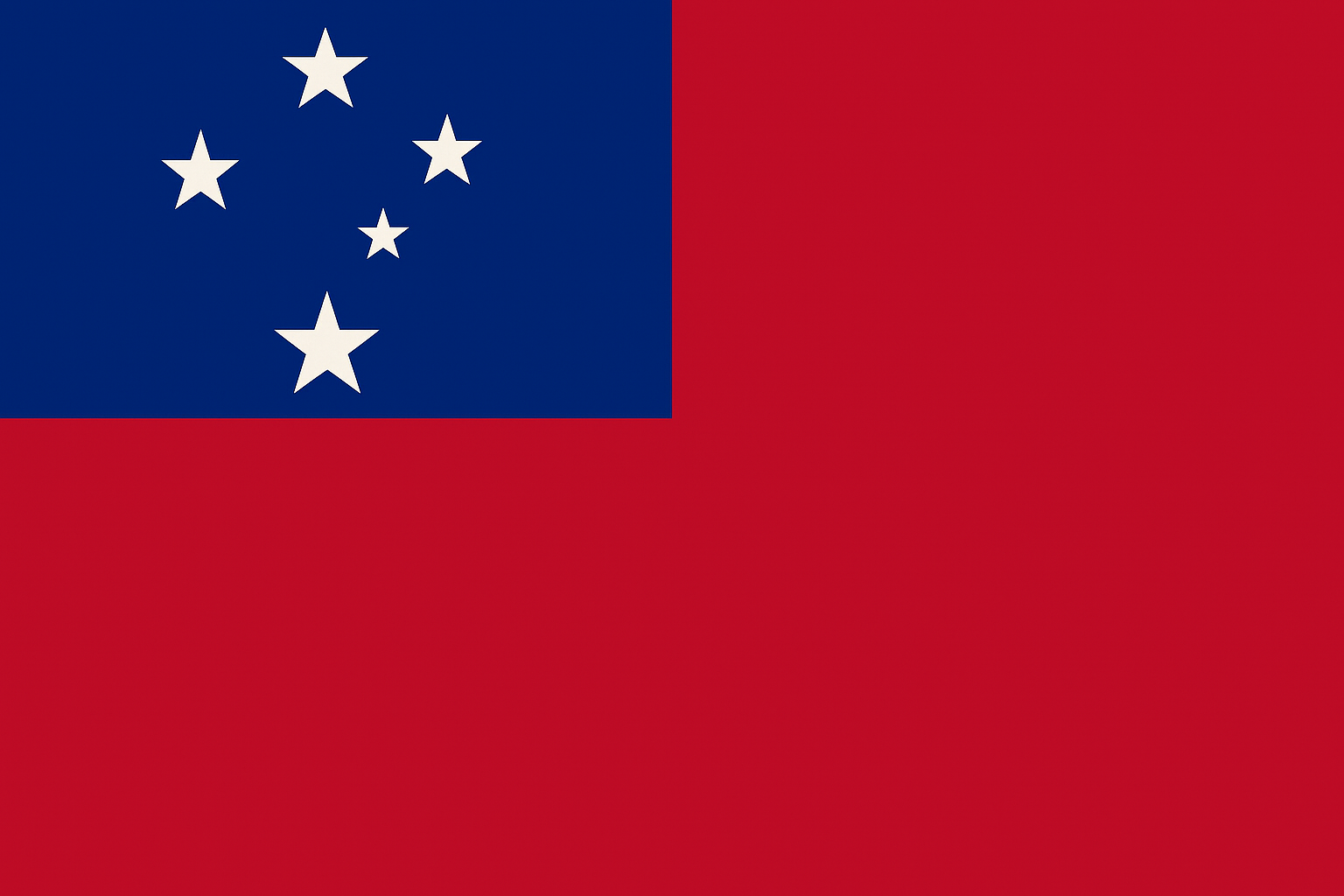
- Make sure yellow Q Flag is flying and also the correct Courtesy Flag as below
Clearance Process (Four Agencies)
Upon arrival, the following authorities board the vessel or meet you dockside:
- Health Department
- Customs
- Quarantine / Biosecurity
- Immigration
All must clear the vessel before anyone goes ashore.
Biosecurity Requirements
- A Biosecurity Declaration Form should be emailed 24 hours before arrival if possible to info@maf.gov.ws if possible.
All food must be declared on arrival, including packaged, frozen, dried, and fresh items. Fresh fruits, vegetables, meats, dairy, eggs, and seafood are restricted and may be confiscated unless you have a permit. Plan on having nothing in this list on arrival and restock the fresh stuff in Apia.
Honey, bee products, soil, untreated wood, and live animals are prohibited.
Biosecurity officers may inspect your galley and lockers, so label everything clearly and use sealed containers.
Always declare everything even store-bought items to avoid fines or delays.
Documentation
- Valid passports for all crew
- Arrival/Departure cards provided by Immigration officers
- Standard immigration procedures apply to all sea arrivals
- Ships Papers. Make sure you have multiple copies of everything to make a quick and easy entry.
Navigation Hazards Around Samoa (Upolu & Savai‘i)
Samoa’s main navigation hazards are fringing reefs, narrow reef passages, uncharted or poorly charted areas, and shallow coral shelves around both Upolu and Savai‘i. These hazards are well‑documented in regional hydrographic risk assessments and sea‑safety reports.
Both Upolu and Savai‘i are ringed by reefs, with only a few breaks for passage. Reefs create narrow lagoons and shallow shelves, especially on the north coast of Upolu. Many reef edges are steep‑to, giving little warning visually.
Poor or Incomplete Charting in Some Areas. Samoa’s waters have been assessed as having hydrographic risk, with some areas lacking modern surveys. Depths may vary from charted values, especially near reef edges and lagoon entrances.
Strong Winds, Swell, and Weather‑Driven Hazards. The north coast of Upolu (including Apia) is exposed to northerly swell during certain seasons. Reef passages can become dangerous in onshore swell.
Hazards Approaching Apia Harbour
When sailing to Samoa the hydrographic risk assessments for Apia identify:
- Shallow patches near the harbour entrance
- Reef shelves extending from both sides of the approach
- Limited manoeuvring room inside the harbour basin
- Limited Aids to Navigation
- Some markers may be unlit or unreliable, especially after storms.
- Not all reef passages are marked.
Submerged Coral Heads & Bombies. Common inside lagoons and near reef entrances. Some are isolated and not charted.
- Approach Apia Harbour only in daylight unless familiar.
- Keep well offshore when rounding Upolu or Savai‘i to avoid reef shelves.
- Avoid attempting to enter any lagoon or reef passage except Apia.
- Maintain a bow watch in good light when near reefs.
- Expect strong currents near reef gaps.
Keep a bow watch for bommies (Bomboras).
Bommies is a common cruising term (especially in the Pacific and Australia) referring to isolated coral heads that rise abruptly from the seabed, often from deep water to just below, or just above, the surface. Bommies are one of the biggest navigational hazards in reef environments because they can be hard to see in poor light, they are scattered unpredictably across lagoon floors, they are steep‑sided, rising from 20–30 m to 1 m in seconds, they are uncharted or inaccurately charted. A single bommie can ruin a keel, rudder, or prop.
Sailing to Samoa - Supermarkets
The Samoan national dish is palusami. Most food is imported from Australia, New Zealand and China. Samoa offers a variety of supermarkets and markets catering to locals and visitors alike. Here are some notable options. The most common grocery store in Samoa is the small locally or Chinese-run convenience stores.
- Frankie Supermarket: A popular chain with several locations across Samoa, including Apia and Savai'I and provides the only “large” supermarket on Savai’i. Frankie also offers online shopping.. They offer a wide range of groceries, household items, and even online shopping.
- Chan Mow Supermarket: Located in Saleufi, Apia, this supermarket provides groceries and department store items. Food selection is moderate but useful for last‑minute needs.
- Lynns Supermarket & Bakery: Salenasa Road, Apia. Smaller but well‑kept. Good for top‑ups, baking supplies, and dairy. Often quieter than Farmer Joe’s.
- Farmer Joe’s Supermarkets: Locally owned supermarket franchise in Samoa and is another option for multiple choices for grocery shopping. Their stores are located in the most places in Upolu, particularly in Apia and along the north coast. Best for Bulk + Reliable Cold Chain. Cold chain is better than most, but still inspect frozen goods carefully. Located near the Fugalei Fresh Market so an ideal combo provisioning run.
- Myna’s Supa-mart & Bakery: Cross Island Road, Vaoala (7 am to 7 pm Monday to Saturday and 3-7 pm Sunday)
- Sula’s Supermarket & Bakery: Main East Coast Road, Moataa (9 am to 9 pm Monday to Saturday)
- Apia Supermarket: Convent Street, Mulivai (7 am to 5:30 pm Monday to Saturday)
- Lucky Foodtown: Vaea Street, Saleufi (7 am to 5:30 pm Monday to Friday and 7 am to 2:30 pm Saturday)
Sailing to Samoa - Markets
The Fugelei Market (Maketi Fou) in Apia has a big array of local produce, most everything you need for provisioning. Open Monday to Sunday, daylight hours. Herbs, greens, coconuts but be aware the prices are fixed with no haggling. Quality is high and turnover is fast.
The Vaitele Market. This is a small undercover market in the industrial zone of Apia, fresh local produce as well as baked goods. The market is open from 6 am to 7 pm Monday to Saturday and is located on Vaitele Street (between Burger Bills and Frankie), Apia.
The Salelologa Market is in Savai. It is open from 7 am (all day) Monday to Saturday and is located in the commercial centre to the south of Salelolga, just turn left off the ferry then right past Lusia’s Lagoon Chalets.
Road Stalls. There are many roadside stalls for fresh fruit and vegetables including coconuts, pineapple, taro and on some mornings fresh fish and the prices are the best as is the quality.
Samoa Seafood Market. Get to the Apia Fish Market 05:30 to 11:00 daily and 5 am to 9 am Sunday.so get there early for best choice. Very good value fish, lobster, octopus, tuna, Mahi Mahi, crab, reef fish and much more. Buy early before heat affects quality. Make sure you bring your own cooler.
Taufusi Drive-Thru Market. Samoa’s only drive-thru market, order at vendor stalls with your car, and get it passed through your window, not unlike McDonalds. Taufusi Market is open from 6 am to 7 pm Monday to Saturday and can be found on Vaitele Street, Taufusi, Apia.
Cold Chain Situation
Samoa’s cold chain is better than many Pacific islands, but still inconsistent. Cold storage is limited on most Pacific Islands. Frozen goods are common, but freezer reliability varies, power outages happen and cold chain is inconsistent. Inspect frozen items carefully before purchasing. Visual signs of product that has partially thawed and refrozen are ice crystals inside packaging: Indicates moisture loss and refreezing. Discolored patches such as grey, brown, or greenish areas suggest oxidation or bacterial growth. Frost burn or dry edges: Caused by repeated freezing cycles. Uneven coloration: May signal partial thawing and refreezing. Give it the smell test. A sour or ammonia-like odor is a clear sign of spoilage. Any “Off” smell even when frozen: Indicates bacterial activity during thawing. Do a texture check, mushy or slimy surface is due to cell breakdown from thawing. Sticky or tacky feel indicates early spoilage, especially in poultry. Excess liquid in packaging suggests previous thawing. Frozen chicken-specific Red Flags are a pale or translucent skin: Indicates moisture loss. Blood pooling or dark spots which may signal partial thawing. Bone darkening is often seen in refrozen chicken.
The health risks from refrozen meat are bacterial growth, especially if thawed above 5°C. Foodborne illness from Salmonella, Campylobacter, and Listeria risks increase, you really don’t want a dose of any of these. Additionally, there is nutritional loss as vitamins and proteins break down and lastly there is texture degradation and who likes tough, dry, or rubbery meat which even making into a curry cant improve.
Always buy from high-turnover vendors as fresh stock is less likely to be refrozen. Ask about delivery schedules: Time your purchases after restocking. Use touch and smell before buying: and vendors often allow inspection. Avoid bulk frozen packs as individual wrapping helps spot issues. Bring a cooler with ice packs, especially for remote provisioning runs.
Mechanical
and Electrical Repairs Resource
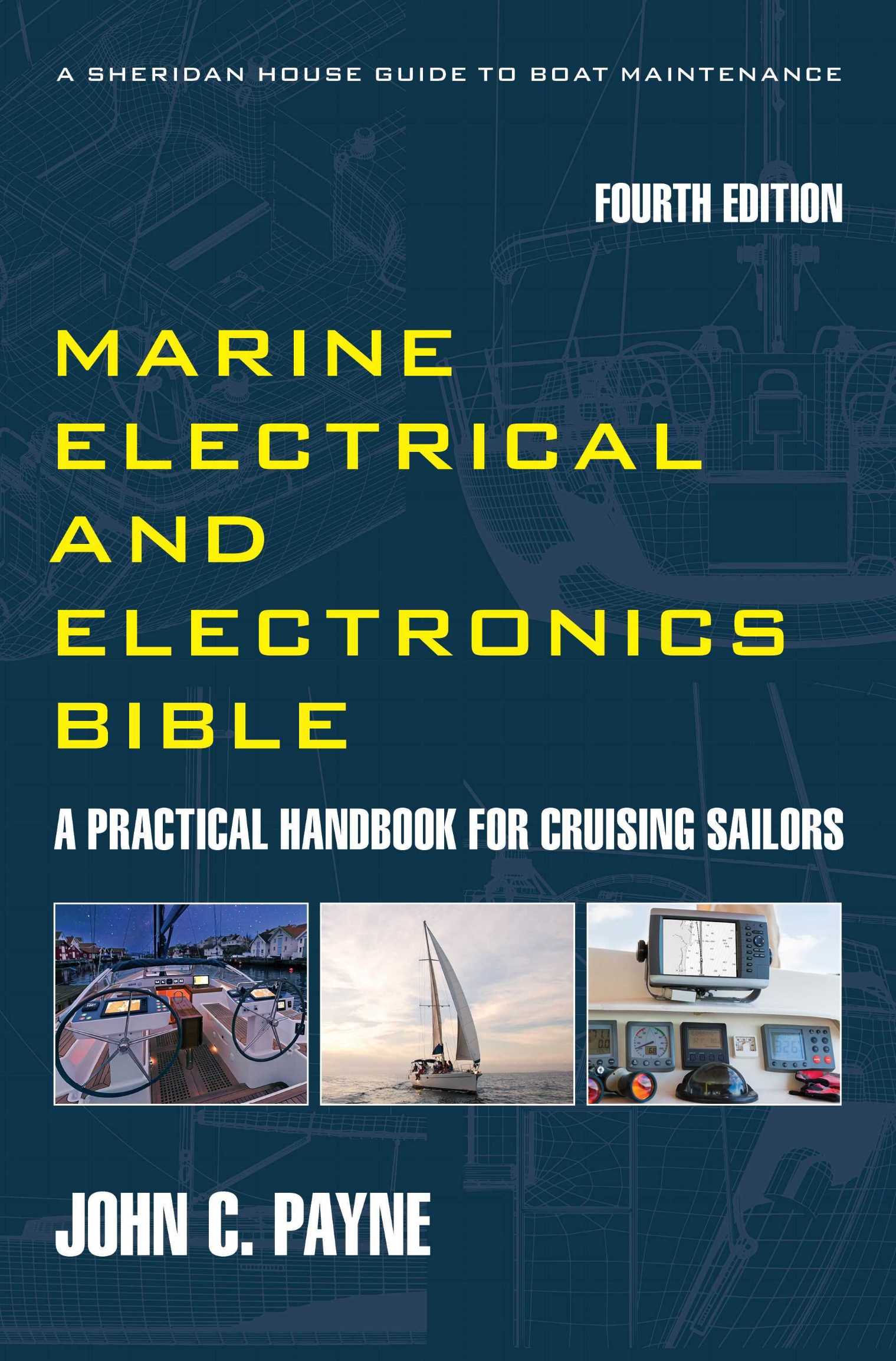
If you are headed somewhere remote consider the need to expand your knowledge base or have an information resource on board. Why not get a copy of my book The Marine and Electrical and Electronics Bible 4th Edition. By and for yachties, with everything from batteries and charging, solar and wind, diesel engines and marine electronics and so much more. Your complete systems guide. 650 pages of practical advice. In Australia and New Zealand order a copy through Boat Books. UK and European boats can buy the UK Edition Here. US and Canadian boats can get the US Edition Order Here. Marine systems are my profession so let me help you. By a liveaboard boat owner for other boat owners


Sailing to Samoa - Language
Produce includes the following and each has the Samoan name
Samoan Koko (cocoa beans), mango (mago),
papayas (esi), bananas (fa’i), yam (ufi),
breadfruit (ulu), ginger (fiu), cassava (Kasio),
taro (talo), baby taroleaf (lau lu’au), sugarcane (tolo),
pineapple (fala, pineapu), passionfruit (Naunau fua),
Tahitian lime (lemu), ripe coconut (popo),
unripe coconut (niu), soursop (sasalapa), avocado (avoka),
malay apple (nonu), star fruit (vineka), ambarella fruit (vi),
watermelon (meleni), passionfruit (pasio), guava (ku’ava),
potato (pateta), corn (sana), onion (aniana), eggplant (isala’ elu),
pumpkin (maukeni), orange (moli), onion (aniani)
sweet potato (umala), corn (saga), seaweed (limu),
honey (meli/hani),
Basic Language
- Hello: Talofa
- Thank you: Fa’afetai
- Yes / No: Ioe / Leai
- How much? E fia?
- Fresh: Fou
Sailing to Samoa - Sailing
- Apia Yacht Club: Located in the capital, Apia, this club welcomes visitors and offers a casual atmosphere with dining options.
- Cyclone season (November to April) is not ideal for sailing.
- Apia Marina: The main port of entry for yachts, offering berths with security, fresh water, and electricity.
Make sure you stop and spend some time in Samoa and the capital Apia. Great food, great people.