Marine Engine Turbocharger
The marine engine turbocharger compressor side, also known as the cold-air or intake side, of a marine diesel turbocharger is responsible for compressing incoming air and delivering it to the engine’s intake manifold at increased density. This process greatly enhances combustion efficiency, power output, and torque, even in relatively small marine diesel engines commonly found on yachts, motor cruisers, and light commercial vessels. Understanding the construction, airflow behaviour, and common failure modes of the compressor stage is essential for maintaining optimal engine performance and preventing costly issues.
Turbochargers significantly enhance small marine diesel engines by increasing air intake, improving combustion efficiency, and boosting power without enlarging engine size. They optimize fuel economy, reduce emissions, and support reliable performance under heavy loads. For vessels, this means better speed, endurance, and operational efficiency, making turbochargers vital for modern marine propulsion systems.
Marine Engine Turbocharger Compressor
Stage
A turbocharger boosts the amount of oxygen available for combustion by compressing the intake air. On small marine engines (Yanmar 4JH/3GM series, Volvo Penta D-series, Nanni, Beta Marine, Yanmar BY engines), the compressor stage is sized to deliver modest, reliable boost (typically 6–15 psi). On the compressor side:
- Ambient air enters through the air filter.
- The compressor wheel accelerates the air, imparting kinetic energy.
- The diffuser and volute convert kinetic energy into pressure.
- Compressed air is delivered to the intake manifold (often via an intercooler).
The result is:
- Increased air density
- More efficient combustion
- Improved power-to-weight ratio
- Lower specific fuel consumption
Marine Engine Turbocharger Construction
Compressor Housing. The compressor housing is cast from aluminium alloy for corrosion resistance and light weight. It contains:
- The inlet bellmouth (smooth transition for reduced turbulence)
- The volute (spiral chamber directing air to the outlet)
- Mounting surfaces for the compressor cover and diffuser plate
Marine-specific housings may include hard anodising or protective coatings to resist salt corrosion.
Compressor Wheel (Impeller)
The compressor wheel is generally made from Machined aluminium alloy (commonly 2618 or 6061) in standard designs
- Forged aluminium or titanium in high-performance variants
- Extended-tip designs to improve surge resistance and efficiency
It features multiple backward-curved blades designed to impart high velocity to incoming air. The wheel is mounted on the same high-speed shaft driven by the turbine.
Diffuser and Backplate
After air leaves the impeller at high velocity, the diffuser channels it into the volute while converting kinetic energy into pressure. Marine diffusers often include:
- Corrosion-resistant coatings
- Designs optimised for broad operating ranges
The backplate forms the mounting surface between the compressor housing and the bearing housing and may incorporate oil slingers to reduce oil leakage
Mechanical
and Electrical Repairs Resource
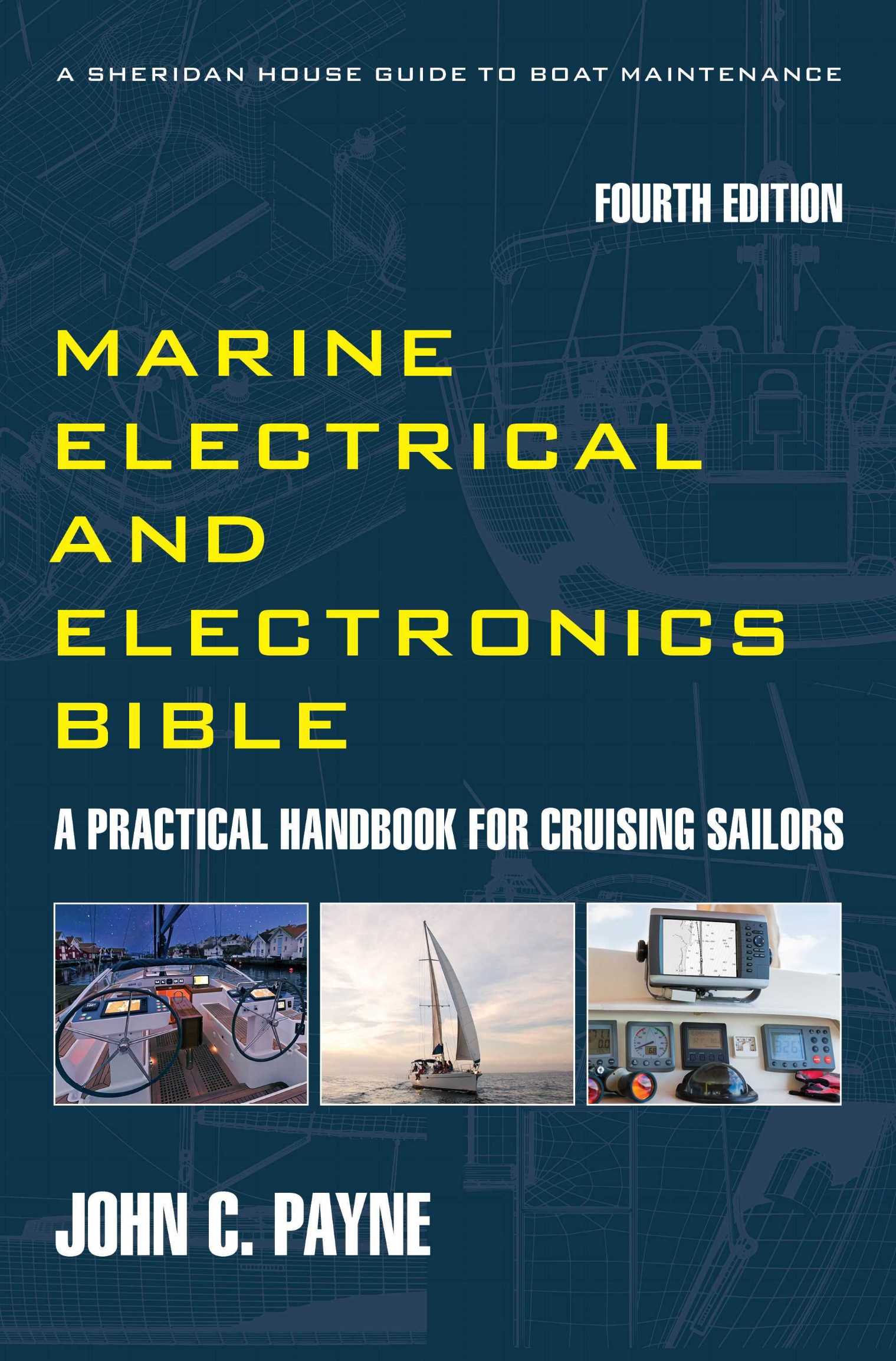
If you are headed somewhere remote consider the need to expand your knowledge base or have an information resource on board. Why not get a copy of my book The Marine and Electrical and Electronics Bible 4th Edition. By and for yachties, with everything from batteries and charging, solar and wind, diesel engines and marine electronics and so much more. Your complete systems guide. 650 pages of practical advice. In Australia and New Zealand order a copy through Boat Books. UK and European boats can buy the UK Edition Here. US and Canadian boats can get the US Edition Order Here. Marine systems are my profession so let me help you. By a liveaboard boat owner for other boat owners

Airflow Dynamics and Boost Generation
Intake Air Induction. Air enters the compressor via the air filter. Marine installations must prevent ingestion of:
- Moist salt air
- Engine room oil mist
- Dust or deck contaminants
Poor-quality filters or neglected maintenance can cause imbalance or erosion of the compressor wheel.
Marine Engine Turbocharger Compression Process. The compressor wheel accelerates the air outward through centrifugal force. The diffuser slows the air and increases its pressure. Finally, the volute guides it to the outlet, producing measurable boost pressure at the intake manifold.
Intercooling Effects. Many marine engines route compressed air through a seawater-cooled intercooler. This reduces intake temperature, increases density, and improves power output. Clean and efficient compressor operation is essential for maintaining intercooler effectiveness.
Compressor Map and Surge Line. Every compressor has a “surge line”, a boundary where airflow becomes unstable. Surge can occur during:
- Rapid throttle changes
- Low RPM/high boost conditions
- Restricted intake air supply
In marine engines, surge usually appears as a rhythmic “chuffing” sound and can damage blades.
Marine Engine Turbocharger Hazards
Salt-Laden Humidity. Marine environments contain airborne salt crystals that become corrosive when mixed with moisture. They can enter the compressor housing through:
- Crankcase breather fumes
- Poorly positioned air intakes
- Ineffective air filtration
- This leads to:
- Blade surface pitting
- Housing corrosion
- Imbalance and vibration
Oil Contamination. Oil vapour from crankcase breathers or turbo oil seal leaks can deposit on compressor blades, causing:
- Reduced aerodynamic efficiency
- Sticky contamination inside the housing
- Dust accumulation, creating a grinding paste
- Proper crankcase ventilation and regular air filter replacement are essential.
Foreign Object Damage (FOD). The compressor wheel spins at 80,000–200,000 rpm. Ingested debris, nuts, washers, broken filter components, fibreglass dust all can destroy the wheel instantly. Marine diesel engine rooms often contain loose hardware, making stringent intake filtration vital.
Marine Engine Turbocharger Failure
Modes
Erosion and Blade Wear. Salt crystals, dust, and engine-room contaminants can erode compressor blades over time. This may cause:
- Reduced boost
- Slower turbo response
- Whistling or high-pitched whining noises
Compressor Wheel Imbalance. Imbalance can result from:
- Blade erosion
- Foreign object impact
- Uneven carbon or oil deposits. This produces vibration and eventual bearing failure.
Oil Seal Leakage. If the bearing housing becomes pressurised (often from excessive crankcase pressure), oil can leak into the compressor side. Symptoms include:
- Blue exhaust smoke
- Oily air hoses
- Intercooler fouling
Surge Damage. Marine engines with poorly designed exhaust or intake systems are more prone to surge. Repeated compressor surge leads to:
- Blade fatigue
- Shaft oscillation
- Reduced turbine bearing life
Marine Engine Turbocharger Maintenance
Air Filter Care. Replace or clean filters as per manufacturer guidelines. Marine filters must resist moisture and provide good salt-exclusion capability.
Check Intake Tract for Leaks. Air leaks cause reduced boost and dusty air ingestion.
Maintain Clean Intercoolers. Seawater-cooled intercoolers accumulate internal salt scale, while the air side collects oil vapour. Regular cleaning maintains airflow and decreases compressor workload.
Control Crankcase Vapours. A high-quality breather or oil mist separator prevents oil contamination of the compressor wheel.
Avoid Excessive Idling. Low-load running encourages oil weeping from turbo seals and increases carbon build-up elsewhere in the system.
Proper Shutdown. After heavy running, idle the engine for 2–3 minutes before shutdown to reduce turbo temperatures and prevent oil coking in the bearings.
Marine Engine Turbocharger Summary
The compressor side of a marine diesel turbocharger plays a vital role in supplying dense, pressurised air for efficient combustion. Its aluminium components, precision-balanced impeller, and delicate aerodynamics make it especially vulnerable to marine contaminants, salt corrosion, and oil infiltration. Proper maintenance of intake filters, intercoolers, crankcase breathers, and associated ducting is essential to protect the compressor stage and ensure reliable turbocharger performance. The Marine Engine Turbocharger requires monitoring and maintenance to perform at peak efficiency.