List of Tropical Fruits
The list of tropical fruits is long because tropical fruits are more than just exotic and vibrant flavors; they are living records of exploration and exchange. Mangoes, native to South Asia, pineapples from South America, and coconuts from Pacific islands once thrived only in their homelands. Early explorers and sailors, driven by trade and survival, carried seeds and plants across oceans, reshaping diets and economies. Bananas spread widely through colonial voyages, while citrus fruits became essential on ships to combat scurvy. These journeys transformed local delicacies into global staples and built the list of tropical fruits.
The tropical flavor spectrum is vast: tart passionfruit, creamy cherimoya, honeyed lychee, and refreshing coconut water. Culinary traditions adapted quickly, fruits were eaten fresh, juiced, preserved, or cooked into savory dishes and desserts. Many are classed as superfruits with extraordinary levels of vitamins and antioxidants and great medicinal benefits. Today, tropical fruits symbolize biodiversity and cultural heritage, but they also reflect centuries of maritime adventure. Each bite connects us to the sailors who first transported these treasures, weaving them into the fabric of our cuisine and everyday life. Fine out what you like from the list of tropical fruits.
List of Tropical Fruits - Cacao
(cocoa)
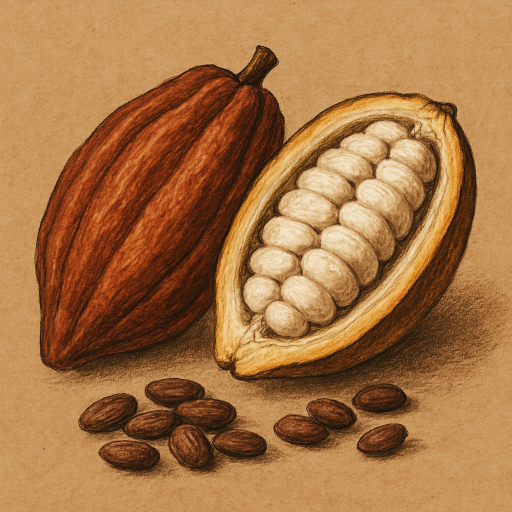
This is a tropical tree whose seeds (cocoa beans) are the foundation of chocolate, originating in northern South America (Amazonia) and cultivated across Mesoamerica for thousands of years. Cultivated by the Maya and Aztec civilizations, later introduced to Europe after the 16th century. The seed pods are ridged oval shaped with a wide range of colors from green to yellow, orange, or red. The cocoa bean seeds are around 20–60 per pod, surrounded by sweet, mucilaginous pulp. Beans are fermented, dried, roasted, and ground into cocoa mass, cocoa butter, and cocoa powder, and end up in chocolate bars! Bliss! There are cacao plantations in Grenada and St Lucia and you can buy local produce
List of Tropical Fruits - Caimito (Star Apple, Milk Fruit, Caimite)
This is a tropical fruit tree native to Central America and the Caribbean. It was introduced to the Philippines during the Spanish colonial period, now cultivated widely across Southeast Asia and tropical regions. The fruit is round and similar to plum. The skin is smooth, shiny, ranging from purple, green, or yellow depending on variety. The flesh is translucent white to purple, soft, sweet, and jelly-like. When sliced crosswise, the seed arrangement forms a five-pointed star, giving rise to the name “Star Apple”. The flavor is sweet, aromatic, with a custard-like texture, and similar to sweet mild vanilla. Chill slightly and scoop flesh with spoon. Enjoy solo or with lime juice.
Calamansi (Calamondin, Philippine
Lime)
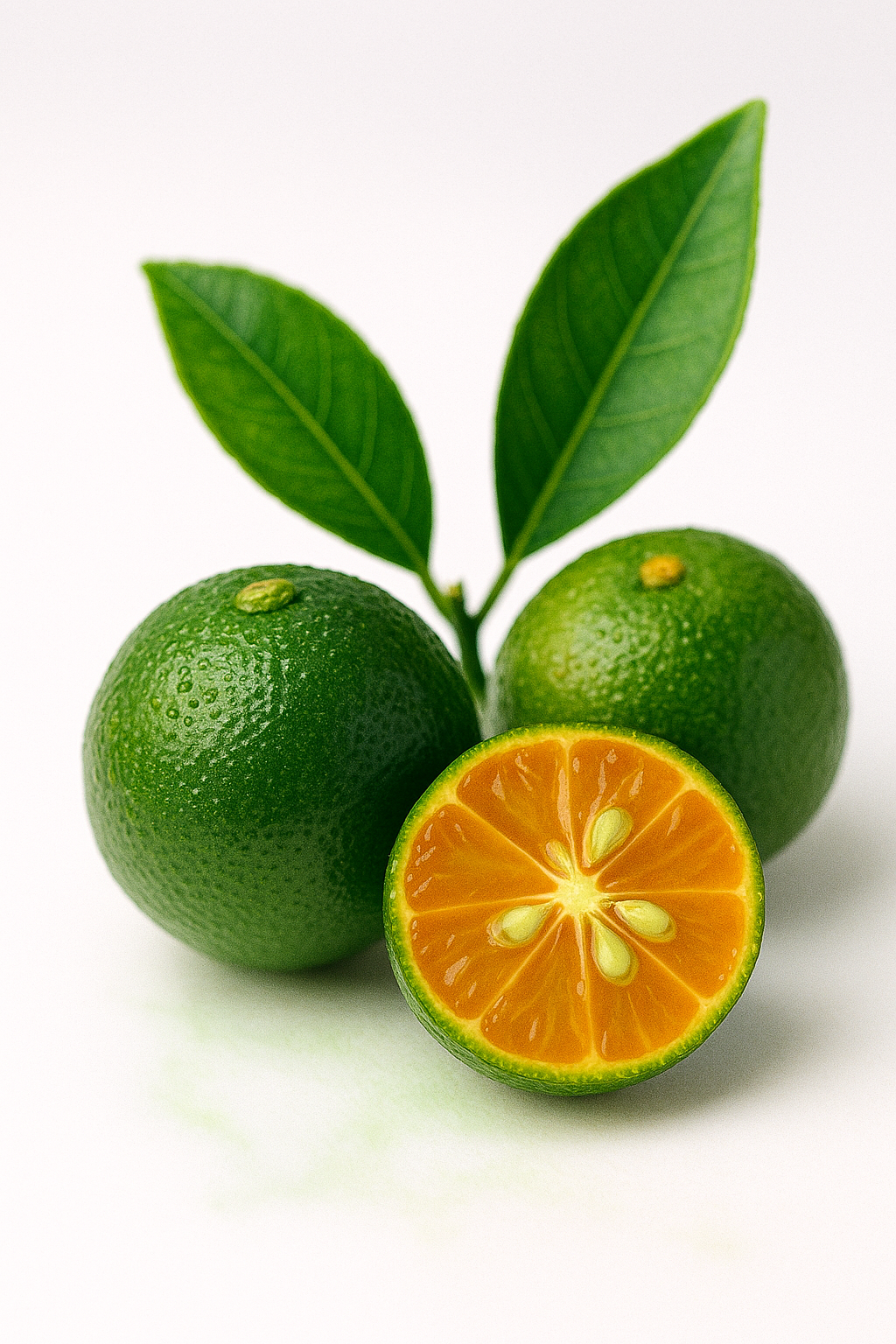
This is a small citrus fruit native to the Philippines and Southeast Asia and widely grown in the Philippines, Malaysia, Indonesia. It is prized for its sharp, tangy flavor and versatility in cooking. Used in juice for marinades, cocktails, dipping sauces. The skin is thin, smooth, green when unripe, turning orange-yellow when mature. The flesh is juicy, segmented, and highly acidic. The flavor is tart, similar to a cross between lime and tangerine. Commonly squeezed over dishes like noodles, grilled meats, and seafood in the Philippines. Used in calamansi juice (a refreshing drink) which I really enjoy drinking! Also used in cocktails, and teas. It is made into marmalade, jams, and pickles. The juice is added to marinades, sauces, and baked goods for a citrusy tang. Common in fusion cuisine as a substitute for lime or lemon. In Malaysia and Indonesia, you will find it used in sambals, curries, and local refreshing drinks.
Carambola (Star Fruit, Star Apple, Caimito, Kamranga)
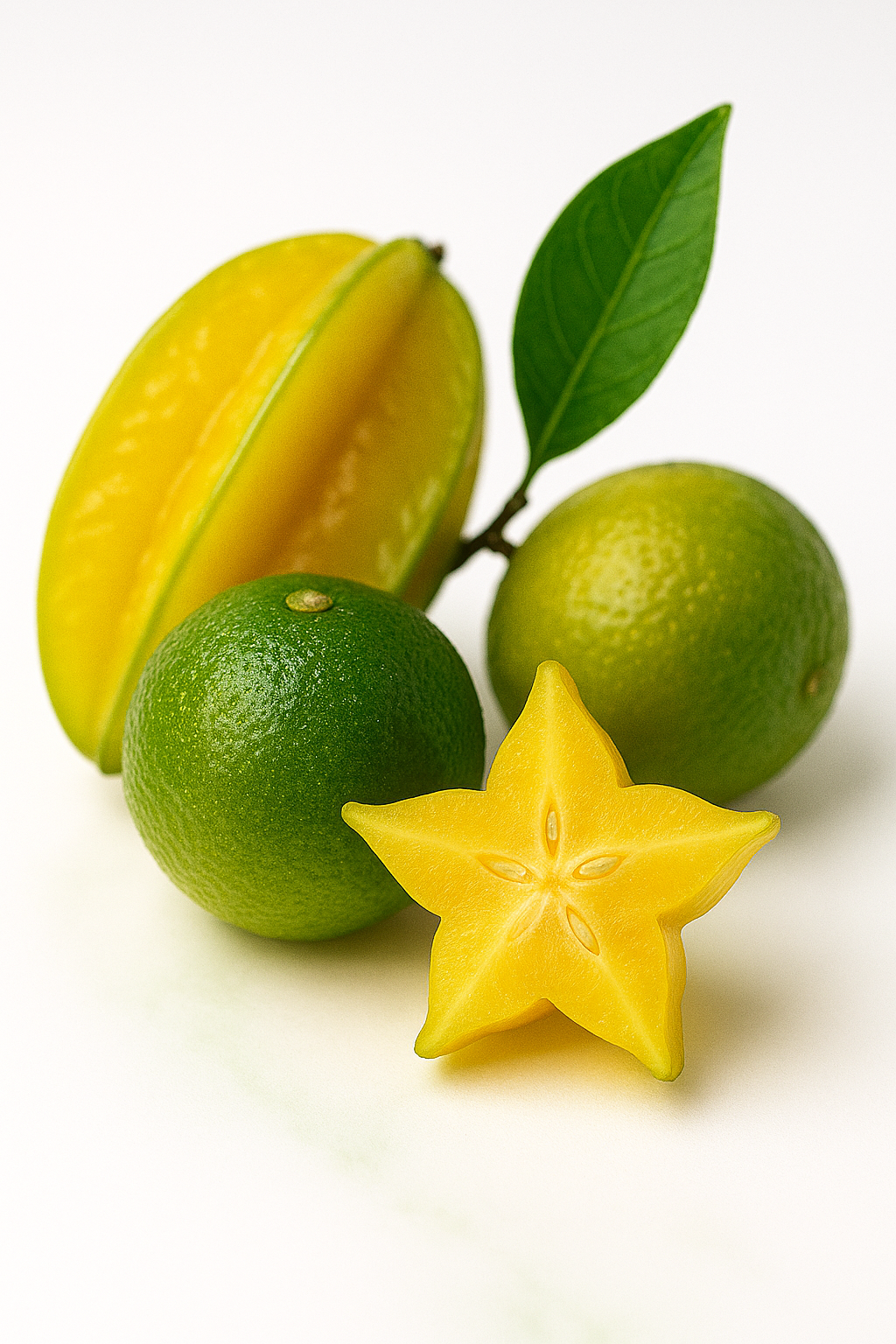
Originating in South East Asia (Malaysia and Indonesia) and spread to the Caribbean and Central America during colonial expansion. Widely grown in tropical and subtropical regions, including India, the Philippines, Sri Lanka, southern China, and the Caribbean. This is sometimes confused with Star Apple/Caimito, but they are different fruits. The fruit is oval in shape with 5–7 prominent ridges (wings or corners) like a star. The skin is thin, waxy, yellow-green when ripe. The flesh is crisp, juicy, translucent. The flavor varies between bland sour to sweet-tart, mild sweet citrus, often compared to a blend of apple, grape, and citrus. The dark yellow ones appear to be the best to eat, and green are used for cooking. Avoid fruit with streaks or brown spots. Can be eaten raw or added to fruit salads. Pairs well with seafood (prawns), ginger, yoghurt, and papaya. Keeps chilled, check for bruises inside ribs. Refrigerate, handle gently. People with kidney disease should limit intake (oxalates).
List of Tropical Fruits - Carissa (Natal Plum)
The Carissa is a thorny evergreen shrub native to South Africa, prized for its fragrant flowers, edible red fruits. The fruits are small and oval shaped with a glossy deep red skin. The flesh is soft, pinkish-red in color, juicy, with brown oval seeds. The flavor is sweet-tart, often compared to slightly sweet cranberry or slightly unripe cherry, with a hint of strawberry and floral notes. These fruits can be eaten whole, including skin and seeds. They are used in pies, cakes, yogurts, and sauces. They are excellent for jams, jellies, and chutneys.
Cambuci (Cambucaba, Cambricó,
Cambicá)
This is a rare fruit tree native to Brazil’s Atlantic Forest, valued for its tart, aromatic fruits and is classed as superfruit. The tree is related to the cocoa. The fruit is disk shaped and has a thin green, and sometimes slightly yellowish when ripe. The fruit has a taste like lemon with a quite sweet and acidic flavor. The flesh is creamy, juicy, with few seeds. It is rarely eaten raw due to the sourness. Used in juices and smoothies and is popular in São Paulo as a refreshing sour drink. It is also used in ice creams, jams, jellies, and mousses. Also incorporated into sauces and marinades for meats.
Canistel (Eggfruit, Yellow Sapote, Zapote Amarillo,
Caniste, Cupcake Fruit)
This a tropical fruit native to southern Mexico and Central America, known for its bright yellow-orange pulp with a texture reminiscent of cooked egg yolk. Found throughout Central America and the Caribbean. The outer skin has an egg yolk yellow. The dense flesh is very sweet with a meaty texture. Eaten straight from the shell with a squeeze of lime. The taste is a sweet custard vanilla–pumpkin, sweet potato flavor or egg yolk. It can be eaten raw and scooped from the skin. Also used in ice creams, custards, pies, and milkshake.
Capulin (Panama Berry, Jamaican Cherry, Calabura,
Muntingia, Mexican Cherry)
It has Mexican and Central American origins and there are a variety of regional names. The fruit when ripe has a red to dark purple color about the size of a blueberry. It has a pale green juicy flesh with a sweet tart wild cherry taste. Can be eaten raw, often sprinkled with salt and chili in Mexico. Made into jams, jellies, syrups, and liqueurs. Also added to milk shakes and smoothies.
Camu-camu (Caçari, Araçá-d'água, Camocamo, Rumberry)
An Amazonian fruit that reputedly having 3000% more Vitamin C than oranges (naranjas). The intensely tart sour berry is sharper in taste than lime or cranberry. It isn’t eaten raw but used in cooking and made into powders. Made into powder or frozen pulp into drinks.
Cashew Apple (Pomme de cajou, Marañón, Caju)
This is native to Northeastern Brazil. The cashew apple is not a “true fruit” but a swollen pedicel (stem) attached to the cashew nut. It has a juicy, fibrous and delicate skin. The flavor is aromatic sweet-tart, with astringent notes due to tannins. Juice or ferment into vinegar. Mix with lime and ginger. It is also eaten raw in cashew-growing regions, though it is highly perishable. Juices are popular in Brazil, India, and Africa. They are also made into jams, chutneys, and syrups.
List of tropical fruits - Cagaita (Cagaiteira)
This is a native fruit tree from Brazil. This is a citrus like fruit resembling an orange and has a white pulp inside. The pulp is juicy, acidic, aromatic, with 1–3 seeds. The taste is tart, refreshing, similar to sour guava or cranberry. It is eaten raw, often chilled for refreshment. The juices are popular in Goiás and Minas Gerais, sometimes fermented into light alcoholic drinks. Used in jams, jellies, and ice creams.
List of Tropical Fruits - Cempedak
This is a tropical fruit closely related to jackfruit and breadfruit, native to Southeast Asia (Malaysia). The flesh is soft, golden-yellow, juicy, and highly aromatic. The flavor is sweet and musky, often compared to jackfruit but richer and more intense. Rich sweet like jackfruit. They are eaten raw and the pulp is scooped directly from the fruit. They are also fried snacks in Malaysia and Indonesia; pulp is battered and deep-fried (cempedak goreng).
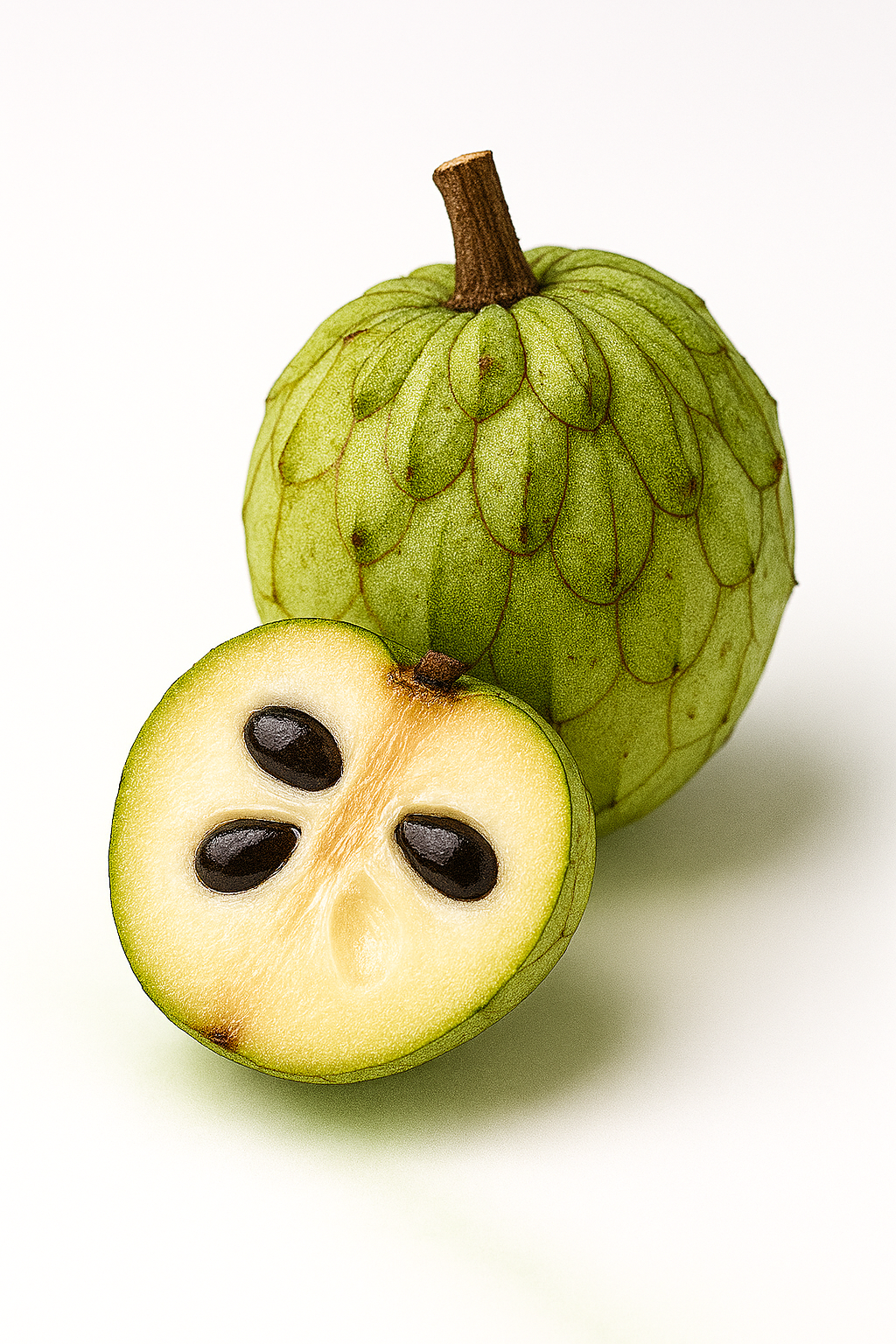
Cherimoya
(Ice Cream Fruit, Annona, Cherimola, Chirimuya, Chirimoya, Custard Apple,
Sherbet Fruit, Sweetsop, Sugar Apple)
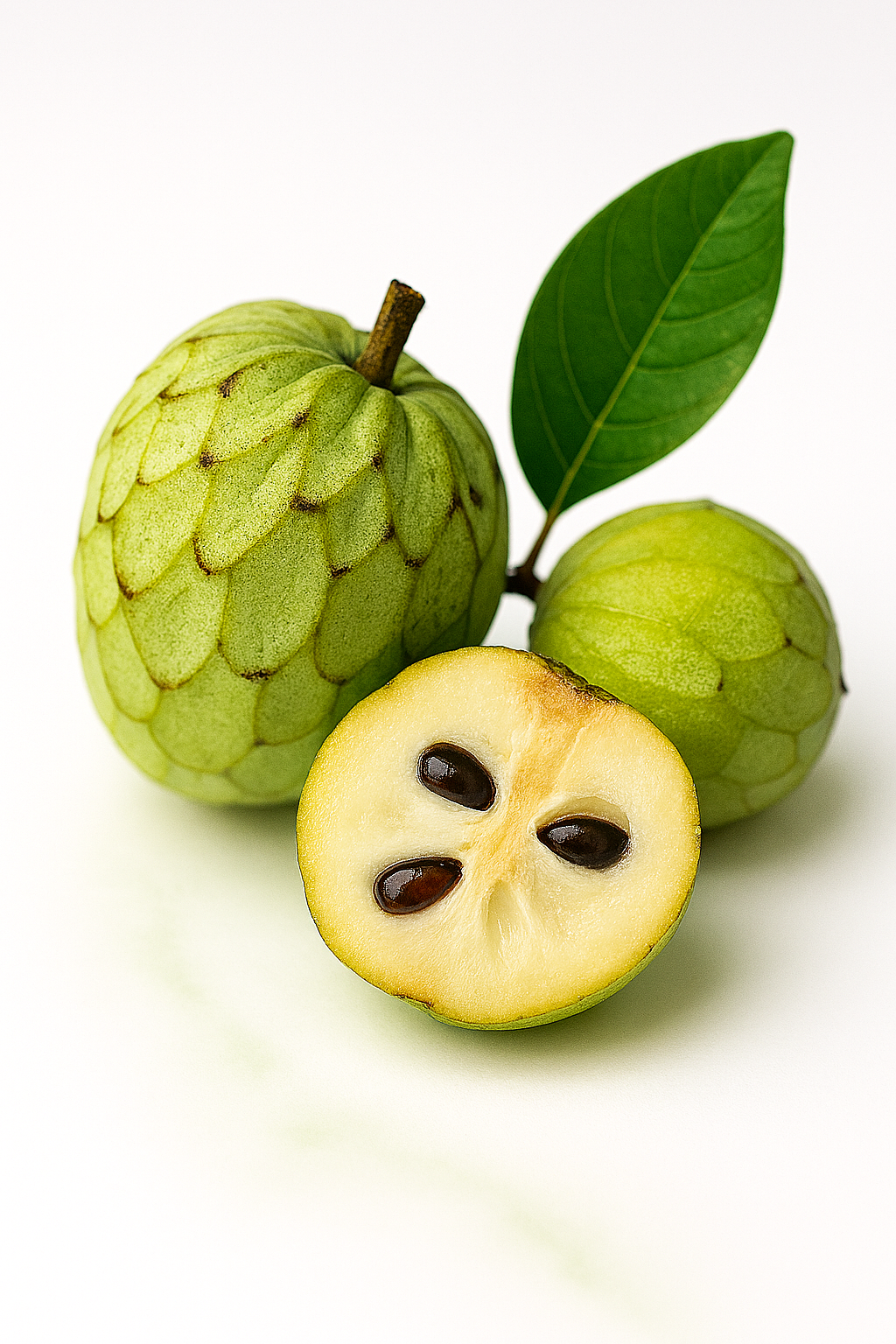
The origins are from the Andes in Peru and Ecuador and is from the same family as the family as soursop and sweetsop. The fruit are heart-shaped or conical, with a green scaly skin resembling an artichoke. It has a very creamy white flesh with a custard like texture which gives it the name custard apple. The flavor profile is described as a hint of banana, papaya, peach, strawberry, mango and pineapple. They have numerous large, black seeds (inedible and toxic if chewed. I found the complex flavor absolutely delicious. It is described as a super fruit and the ice cream fruit as you eat this flesh straight from the fruit with a spoon. Mark Twain called it the most delicious fruit known to men. When you buy them, they are not ripe and have a firm green skin and when the skin has browned it is ready to eat. Used in banana smoothies or parfaits.
Chico Sapote (Sapodilla Relative,
Naseberry)
Tree native to southern Mexico and Central America. The flesh is soft, grainy, pale yellow to reddish-brown. The flavor is sweet, malty, often compared to brown sugar, caramel, or pear. It also has an historical role in producing chicle (the original chewing gum base) from the tree latex. It is eaten raw and scooped from the skin. It is used in milkshakes, smoothies, ice creams, jams, and cakes. It also known in the Philippines (chico), India (chikoo), and Malaysia (ciku). In the Caribbean and known as naseberry.
Coconut (Coco, Buko, Noix de
Coco, Popo, Niu, Nu, Nui, Ni)
The origins are in Melanesia, and South East Asia and valued for its fruit, water, oil, fiber, and cultural significance across Asia, the Pacific, Africa, and the Caribbean. The coconut is available literally in all cruising areas. It is one of most versatile fruits on the planet. They yield coconut water, milk, cream, meat, copra, oil, vinegar. Like many foods these were found by an explorer, namely Marco Polo. Originally bought to the Caribbean by the Spanish, and found worldwide in tropical regions. Select fruit with three eyes still intact, is not leaking or moldy. As safe as drinking bottled water, most tropical countries have street vender selling coconut water (agua de coco in Brazil), slice off the top and drink the coconut water. You can then scrape off the jelly like meat and eat as well. The taste is you haven’t ever tried it is a sweet mild water, rich nut flesh. The white, edible endosperm, ranges from soft jelly (young coconuts) to firm flesh (mature coconuts). The coconut meat is used in curries, chips, snack. Cream/milk in stews, desserts. The coconut water is a clear, refreshing liquid rich in electrolytes. Store s weeks, keep ventilated and dry.
List of Tropical Fruits - Cupuaçu
An Amazonian rainforest fruit and is the national fruit of Brazil. It has a creamy delicious white pulp with flavor notes that include pear, banana, passionfruit and melon and a smell resembling pineapple and chocolate. It is used in fresh juices, and ice cream along with recipes that include “crème de cupuacu” and “mousse de cupuacu.” Used in smoothies, jams and desserts.
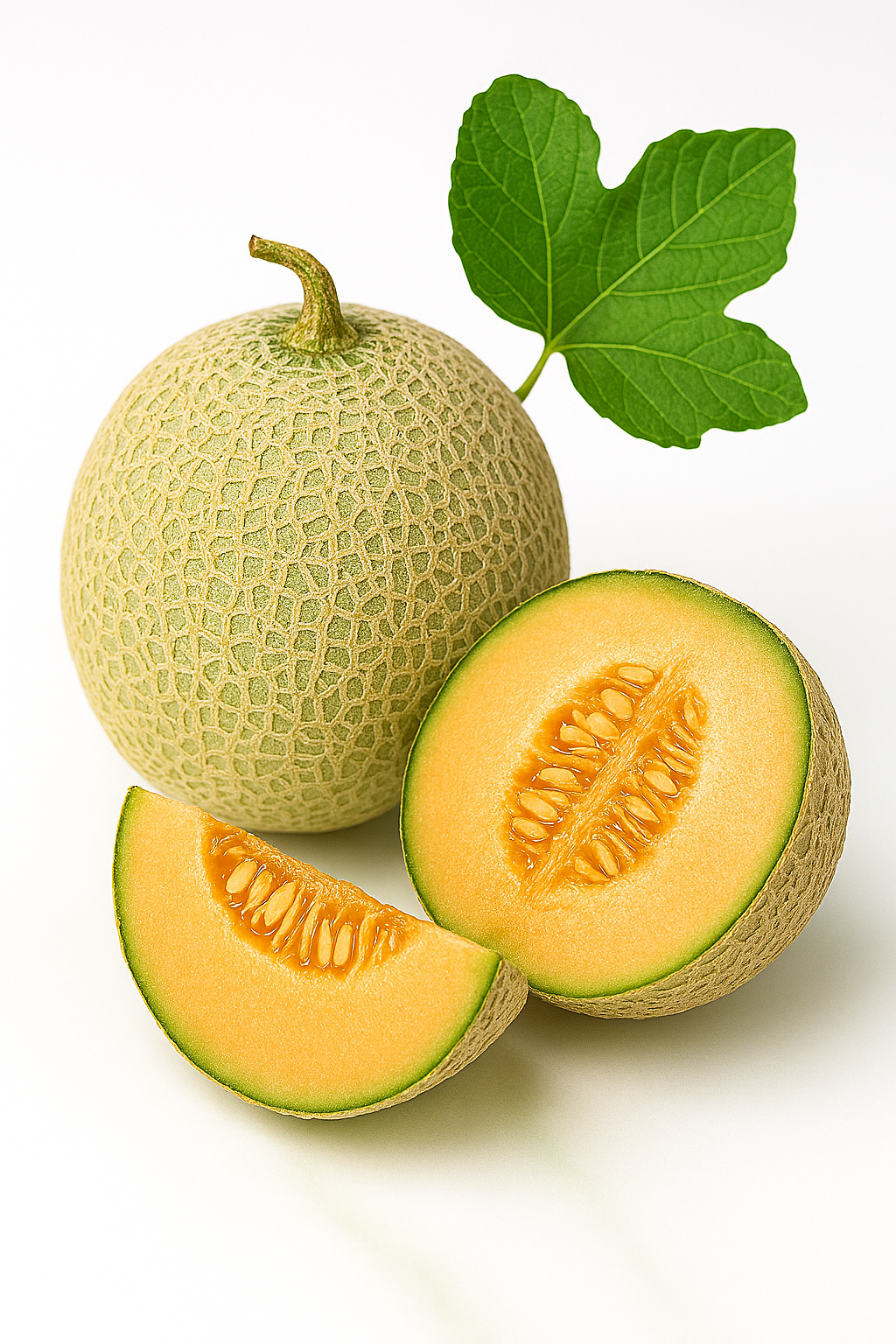
Canteloupe (Rockmelon, Musk Melon)
One of my favorite fruits with the sweet orange flesh. It has origins in Persia and Africa, later cultivated in Europe (notably near Cantalupo, Italy, which gave the fruit its name). There is the European cantaloupe (true cantaloupe) with a lightly ribbed rind, less netting. The North American cantaloupe (muskmelon) is rough, netted rind, commonly sold in U.S. supermarkets. The skin is netted or ribbed, green to tan. The flesh is bright orange, juicy, sweet and very aromatic. The seeds are clustered in the central cavity, and easy to remove. It is eaten raw in slices, cubes, or scooped balls. It is also combined with other fruits or savory items like prosciutto. Perfect for smoothies and juices to add sweetness and hydration. I like the chilled and cubed flesh with ice cream over it and in smoothies. The name sweet melon is a broader term that can include cantaloupe, honeydew, and other muskmelon types.
List of Tropical Fruits - Custard Apple (Cachiman, Anona)
Native to the New World tropics, especially Central America and the Caribbean. Known as the Bullock’s Heart in the Caribbean and parts of India, referring to its heart-shaped form. Also, as the Ramphal in India, particularly Maharashtra and Gujarat, distinguishing it from sitaphal (sugar apple). The Corazón Spanish-speaking regions, meaning “heart.” The Wild Sweetsop in some English-speaking tropical regions and the Araticum Brazil, used broadly for several Anona species. The fruit has a smooth, heart-shaped fruit. The flesh is creamy, mildly sweet, and custard-like. Eaten raw and scooped out. Used in ice creams, smoothies, mousses.
List of Tropical Fruits - Durian
A tropical fruit native to Southeast Asia (Indonesia), nicknamed the “King of Fruits” for its large size, spiky rind, and strong aroma. It smells atrocious, but is eaten fresh, and is used to make drinks. The flesh is pale yellow to golden colored, aromatic with a custard like texture and is contained within one of the five internal sections. The flavor is rich and savory and compared to almond, onion and caramel. Remove the large seeds before eating. It is actually a member of the mallow family. The strong, pungent smell is so distinctive that durians are banned in many hotels and public transport systems. The pulp can be eaten raw and scooped from the husk. It is used in ice creams, cakes, candies, and sticky rice dishes. It is also used in curries and sauces in Malaysia and Indonesia.
Dragon Fruit (Pitaya, Pitahaya, Pitajon,
Warakko, Yaurero)
These have origins in South and Central America. They are fruit of a cactus and are available in 3 colors. There is yellow with a white flesh. There is magenta with a pink flesh and a red fruit with a white flesh. They have a mildly sweet flavor similar to pear and kiwi. It is known as super fruit enriched with antioxidants and prebiotics. I love eating them in fruit salad and in fruit smoothies where it has hydration properties.


Date Palm Fruit (Fresh Tropical Dates) (Datte, Dátil, Tâmara, Kurma)
Believed to have originated in Mesopotamia (modern Iraq), cultivated for thousands of years. Now grown Northern Africa, the Middle East, South Asia, Australia, Mexico, and California. The Medjool is one of most popular and is a large, soft, caramel-like, often called the “king of dates.” The date flesh is soft to semi-dry, sweet, chewy. The flavor has a rich caramel-like sweetness, sometimes with honey or nutty notes. Fresh dates are consumed raw when soft and moist. Dried dates are commonly eaten as snacks, used in baking, or stuffed with nuts. Syrups and pastes are processed into date syrup, paste, and sugar alternatives. They are used in savory dishes in Middle Eastern stews, tagines, and rice dishes. Expect sugar crystallization, and some stickiness aboard. For a rough weather snack, they are excellent. Dates are high in natural sugars and carbohydrates. On average, 100 g of dates contains about 63–75 g of carbohydrates, of which 60–65 g are sugars.
Tropical fruits like camu-camu, cherimoya, cupuaçu, wax apple, and vanilla offer diverse flavors, nutrients, and cultural significance. They enrich yacht provisioning with unique storage needs and culinary adaptations. Their regional naming overlaps inspire glossaries and flavor wheels, supporting authentic sourcing, education, and creative galley strategies for adventurous provisioning.