How to Catch Crabs
How to catch crabs off your boat is very important to know and a skill worth developing. The crab is one of nature’s great treats and for me rates as king of the crustaceans and I personally think it is every bit as good as lobster and crayfish or even better. You can catch crabs most everywhere you can cruise. Absolutely delicious boiled and chilled, with rolls of crusty bread, there are some great ways to enhance the flavor and enjoyment. So many crab recipes and so little time.
Crabs are classed
as decapods, which means they have 10 legs. Crabs also have a hard shell which
is also called a carapace to protect them. Crabs walk sideways and they have
eyes located on the end of two short stalks. There
are a great many crab varieties to try, many prefer the mud crab and myself I
prefer the sand varieties. I shall never
forget a restaurant blackboard special on Spider Crab while visiting the
Cornish port of Fowey in the UK, with a body larger than a dinner plate, Bliss!
In other countries they are also called Cangrejo,
Crabe, or Caranguejo. You need to understand all about safe crab handling on a boat and also about storing live crabs on a sailboat. The best bait for crab traps catches the most crabs and do know about how to check crab pots safely and also crab fishing tips for cruiser.
How to Catch Mud Crabs
Given that most cruisers try to hide up an estuarine creek or tidal backwater, the mud crab is more commonly sought after near mangrove swamps and mudflats. Use fresh fish, fish frames from the last catch or a hunk of red meat in the pot. Set them in shallow intertidal waters in creeks, rivers and estuaries. Ideally set them close to the edges of mangroves. There are catch and size limits so make sure you check the local rules. They burrow the mud, and hide in mangrove roots and submerged tree roots. Crab pots or traps come in a variety of types including round, rrectangular, round or collapsible, just make sure they comply with state or local fishing regulations. Best baits include chicken carcasses, fish frames or a can of tuna with holes punched in them. The smell leaches out and they often last longer. Place your traps in deep tidal creeks or adjacent to mangroves and check the tides as crabs tend to move around on an incoming tide. Check your pots every couple of hours and know the regulations wherever you are. Size requirements vary around the world but typically if you use a template measuring tool you can get it right, 15 cm is the typical carapace width measurement. Some places require a license as well. Some places have mesh requirements as well. When you bring them aboard keep them alive until cooking time. Place them is a wet hessian bag and if they are a tad feral calm them down in the frig. Absolutely no females allowed. Some of this content is taken from my book The Great Cruising Cookbook available here.

How to Catch Sand Crabs
How to catch crabs such as catching sand crabs, the most popular way for sand crabs is to have a double hooped trap with a bait in the middle, in which they entrap or entangle themselves. You need bait clips to secure the bait pouch in the net. You need to have a measuring device to check they are of legal size. You need rope and a float and the float needs your details on it, name, contact number, boat name etc. Size requirements vary around the world but typically if you use a template measuring tool you can get it right. Check on local bag limits. Be very careful that you follow local laws for crabs, there are often catch limits, size limits (don't keep small, or undersize ones), no soft-shelled crabs and no females with attached roe. Do nature a favor, only capture and eat male crabs, leave the females to breed. Absolutely no females allowed.
How to Catch Crabs Legally
Catching crabs responsibly means understanding basic legal and ethical principles that apply in most regions. Always follow size limits, avoid harvesting egg‑bearing females, and use gear designed to minimize harm to non‑target species. Check that your traps are clearly marked and built to prevent ghost‑fishing if lost. Only take what you can use and release undersized or unwanted crabs quickly and gently. Ethical harvesting protects crab populations, reduces environmental impact, and ensures sustainable seafood for future cruisers. Even when regulations vary, responsible practices remain the same: respect the ecosystem and harvest with care.
How to Catch Crabs - Safe Handling
Handling crabs safely on a moving boat requires awareness, confidence, and the right technique. Always grasp crabs from the rear, keeping fingers clear of the claws, and use gloves or tongs if you’re unsure. Avoid handling crabs over open water or near your feet, where a dropped crab can cause injury. Place crabs into a secure container immediately and keep the deck clear of loose gear to prevent tripping. Remember that even small crabs can deliver painful pinches, so stay focused and move slowly. Safe handling protects both you and the catch, ensuring a smooth, stress‑free harvest.
How to Catch Crabs - Bait Selection
Choosing the right bait dramatically improves your success when catching crabs. Oily, strong‑scented baits, such as fish frames, chicken, or squid, create a scent trail that draws crabs quickly. Fresh bait works best, but slightly aged bait can be even more effective. Secure the bait firmly inside the trap so crabs can’t steal it without entering. Avoid using bait that breaks apart easily, as it will disperse too quickly in current. Rotate bait regularly to maintain scent strength, especially during long soaks. Smart bait selection not only increases your catch rate but also reduces wasted time and unnecessary trap checks.
How to Catch Crabs - Trap Lay
Deploying crab traps safely and effectively starts with choosing a suitable location, shallow, sheltered areas with sandy or muddy bottoms are ideal. Lower traps steadily to avoid tangles, and ensure lines are clear of feet and gear before releasing. Use a clearly marked float so the trap is easy to retrieve and visible to other boaters. Avoid setting traps in high‑traffic channels or near reefs where they may snag. Allow enough soak time for crabs to enter but check traps regularly to prevent overcrowding or escape. Thoughtful deployment improves catch quality, protects marine life, and keeps your gear secure.
Mechanical
and Electrical Repairs Resource
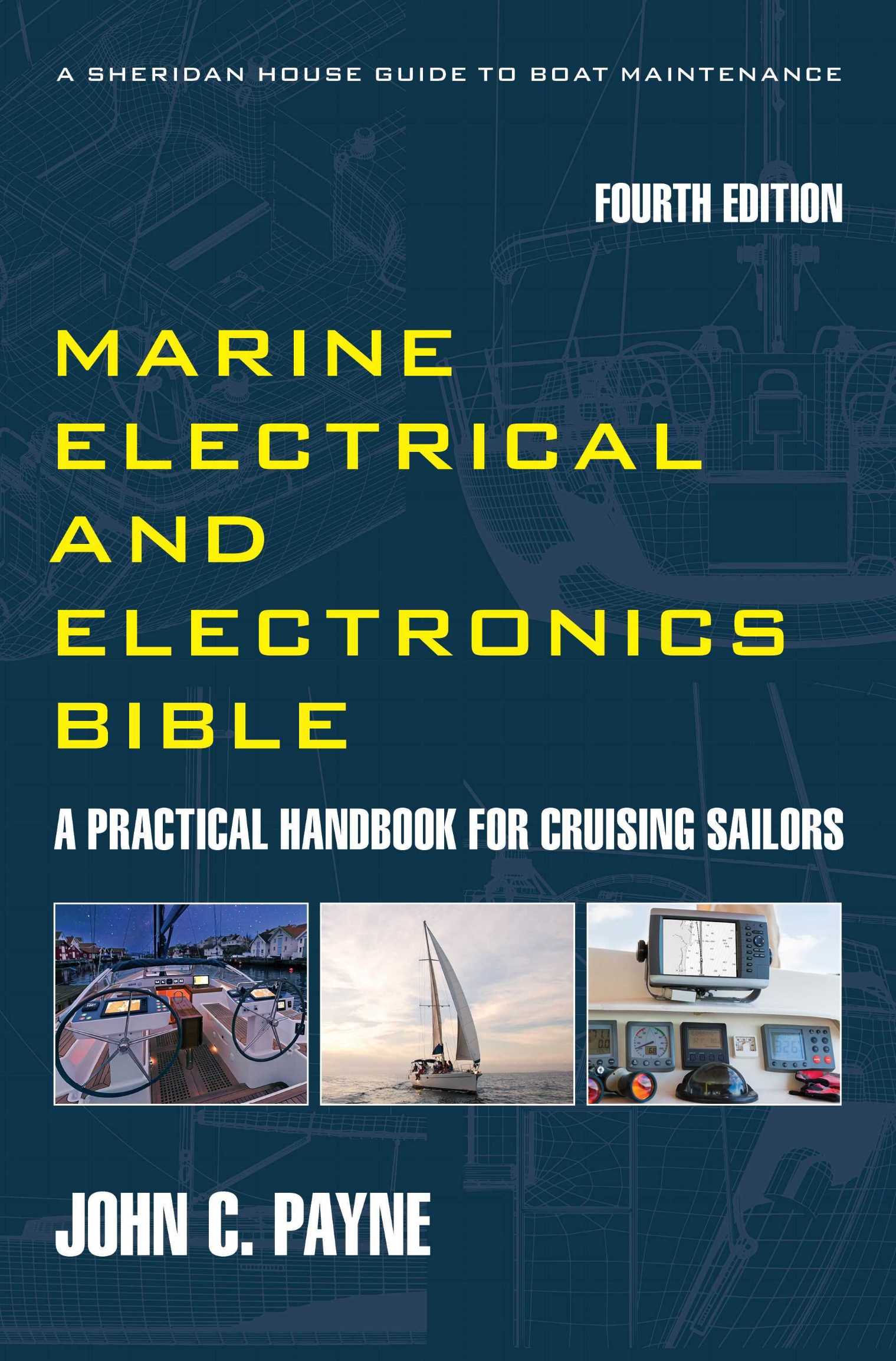
If you are headed somewhere remote consider the need to expand your knowledge base or have an information resource on board. Why not get a copy of my book The Marine and Electrical and Electronics Bible 4th Edition. By and for yachties, with everything from batteries and charging, solar and wind, diesel engines and marine electronics and so much more. Your complete systems guide. 650 pages of practical advice. In Australia and New Zealand order a copy through Boat Books. UK and European boats can buy the UK Edition Here. US and Canadian boats can get the US Edition Order Here. Marine systems are my profession so let me help you. By a liveaboard boat owner for other boat owners
How to Catch Crabs and Cook Them
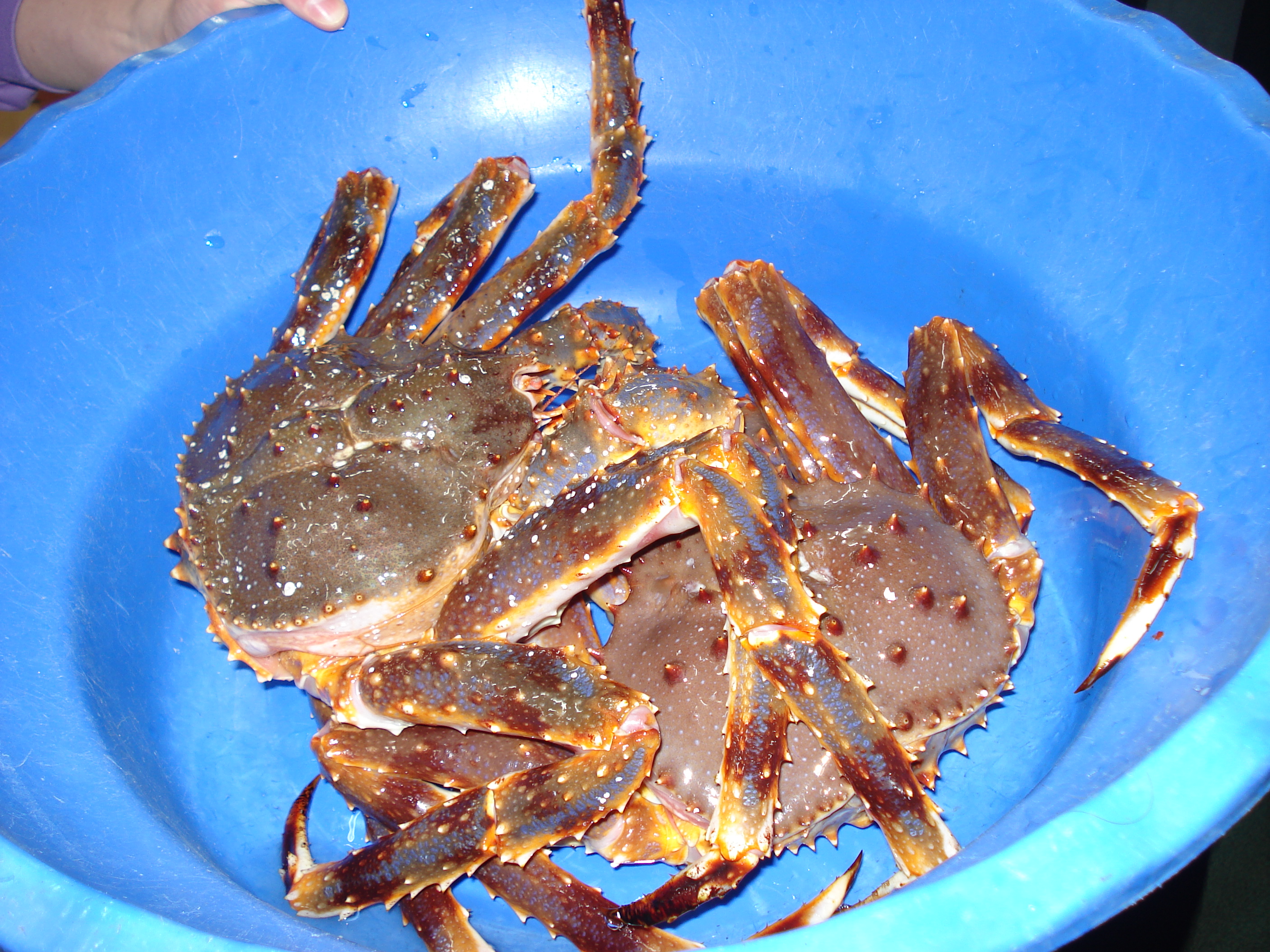
Prior to cooking either kill them by inserting a knife between the base of the claws into the head region or put in a plastic bag and place in the freezer for 20 minutes and then spike them between the eyes. Boil up in salted or sea water and cook for approximately 10 minutes. You can boil them (takes around 15-20 minutes depending on the size). or steam them (takes around 10-20 minutes depending on the size). You can grill them after parboiling them first and some prefer to bake them also after parboiling them. Your choice but I mostly boil them and then pick the meat out and use in crab cakes and so on.


Curried Crab (Serves 4)
In my merchant marine seagoing days, we had either Indian or Bangladeshi crew. The best curried crab I ever tasted was up in Chittagong in Bangladesh. This comes part of the way towards that superb culinary memory as discussed with our ships cook Mizan.
4 Medium Crabs 3 tbsp Curry Powder
1 tsp lime rind, grated 1 medium onion, fine chopped
1 clove garlic, fine chopped 1 cup thick coconut milk
6 lime leaves 3 tbsp lemon rind, grated
2 red chilies, sliced 3 cups thin coconut milk
1. Clean, halve and crack crabs. Combine the curry paste, grated rind, onion and garlic in a bowl.
2. Heat the thick coconut milk in a frypan or wok until it goes oily.
3. Stir in the curry mixture and combine the flavors.
4. Add leaves, lemon grass, chilies and thin coconut milk.
5. Then add the crab pieces and simmer for 15 minutes.
This is a great dish so cook, enjoy and recook again. Curried crab is a great way to eat your crab catch.