Fresh Water Pump for Boat
The fresh water pump for boat is the driving force behind a boat’s domestic water system, supplying pressurised water to taps, showers, appliances, and water heaters. While simple in concept, the marine fresh water pump must operate reliably under vibration, heel angle, intermittent duty cycles, variable voltages, and the demanding conditions of marine plumbing networks.
The pump performance directly determines onboard comfort and water system reliability. A properly selected, installed, and maintained pump ensures steady flow, consistent pressure, quiet operation, and long service life, while poor installation or mismatched components can lead to pulsing, leaks, pump cycling, or premature failure.
Fresh Water Pump for Boat- Function
A fresh water pump transforms static tank storage into a pressurised distribution system. When a tap is opened, pressure in the plumbing drops. The pump senses this pressure drop and automatically activates, supplying water until system pressure is restored. This allows the boat’s plumbing to operate much like a residential system despite relying on a limited tank supply and 12/24-volt DC power.
Marine pumps typically run intermittently, cycling on only when a fixture demands flow. This makes energy consumption efficient, which is essential on sailing boats where electrical capacity is often limited. Pumps must also reliably self-prime, handle variable suction heights, tolerate small amounts of air without damage, and resist corrosion from a humid marine environment.
Diaphragm Pumps
(most common)
Diaphragm pumps dominate the marine freshwater market due to their reliability, self-priming ability, and dry-running tolerance. They use oscillating or multi-chamber diaphragms driven by an electric motor to push water through check valves. Because they operate in pulses, they benefit from accumulator tanks to smooth out flow. Advantages:
- Self-priming up to several metres
- Handles air without damage
- Good for low to moderate flow rates
- Integrated pressure switch for automatic cycling
Limitations:
- Pulsing flow without accumulator
- More noise compared to centrifugal pumps
Centrifugal Pumps (less common)
These pumps use an impeller rotating at high speed to create consistent water flow. They are quieter and provide smoother output but generally cannot self-prime, making them less suitable unless installed below tank level. Advantages:
- Very smooth, consistent flow
- Low vibration and quiet operation
- High flow potential
Limitations:
- Must be flooded or positioned below tank
- Cannot tolerate air or run dry
Mechanical
and Electrical Repairs Resource
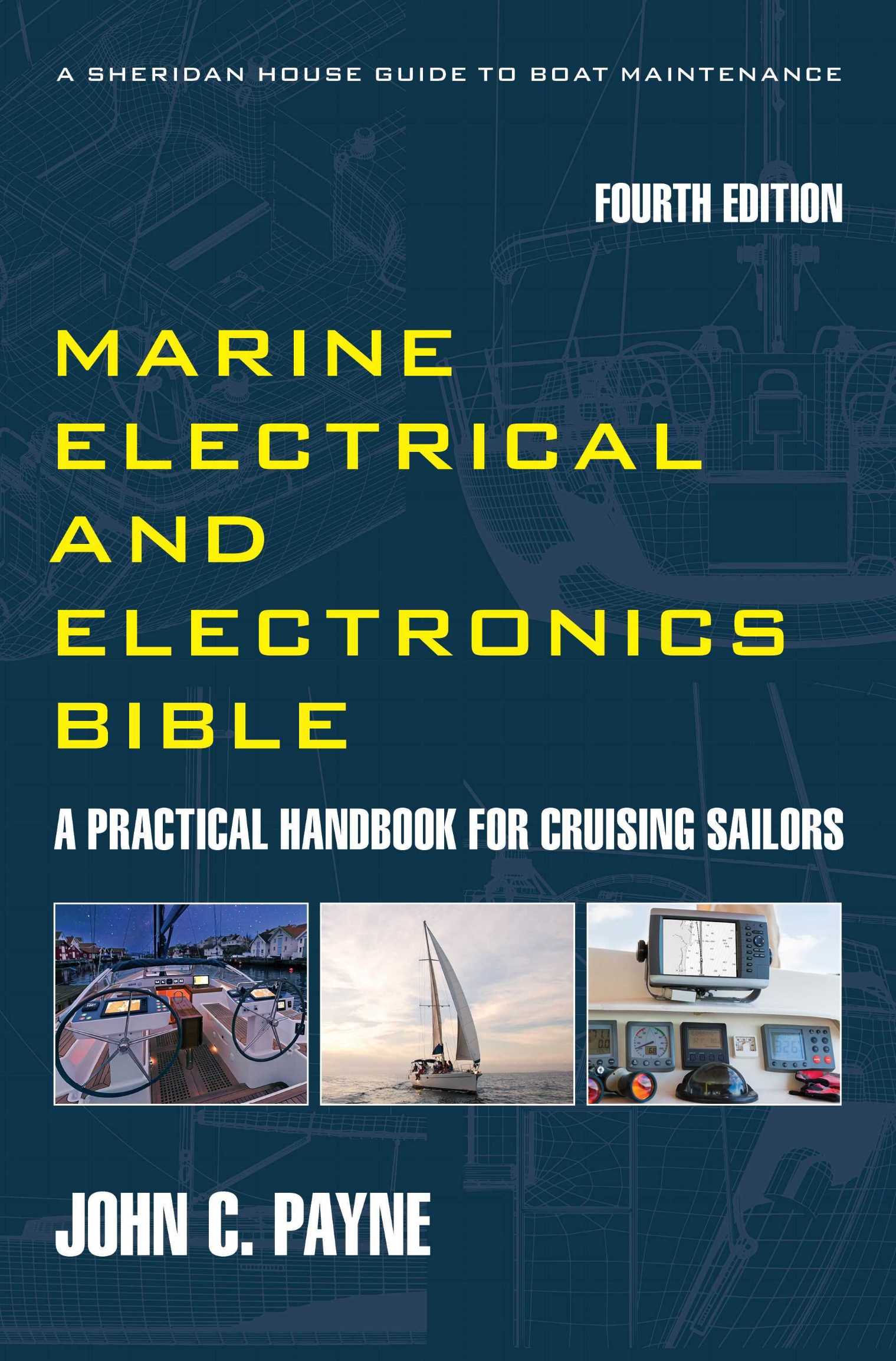
If you are headed somewhere remote consider the need to expand your knowledge base or have an information resource on board. Why not get a copy of my book The Marine and Electrical and Electronics Bible 4th Edition. By and for yachties, with everything from batteries and charging, solar and wind, diesel engines and marine electronics and so much more. Your complete systems guide. 650 pages of practical advice. In Australia and New Zealand order a copy through Boat Books. UK and European boats can buy the UK Edition Here. US and Canadian boats can get the US Edition Order Here. Marine systems are my profession so let me help you. By a liveaboard boat owner for other boat owners

Variable-Speed Pumps
These electronically controlled pumps adjust their speed based on demand, eliminating rapid cycling. They maintain constant pressure and operate more quietly than on/off diaphragm pumps. Advantages:
- No need for accumulator tank
- Consistent domestic-style water pressure
- Lower noise and smoother delivery
Limitations:
- Higher cost
- More complex electronics
- Greater sensitivity to voltage drops
Fresh Water Pump for Boat Selection
Selecting the correct pump involves analysing flow rate, pressure requirements, and system design.
Flow Rate (L/min). Small boats typically use pumps rated at 6–12 L/min, while larger cruisers may require 15–20 L/min or more to supply multiple fixtures simultaneously. Oversizing can waste power and cause rapid cycling; undersizing leads to weak flow.
Pressure Rating. Most marine pumps operate between 30 and 45 psi. Higher pressures increase shower performance but also stress hoses and fittings. Consistent pressure is more important than high pressure.
Self-Priming Capability. Essential for installations where the pump is above the tank outlet. Diaphragm pumps typically offer 1–3 metres of self-priming height.
Duty Cycle and Thermal Protection. Marine pumps must tolerate repeated on/off cycling and occasionally run dry. Thermal cut-outs protect motors from overheating—critical in summer or confined spaces.
Fresh Water Pump for Boat Installation
Proper installation is crucial for reliable pump performance.
1. Location. Pumps should be installed as follows:
- As close as practical to the water tank outlet
- Above bilge level for protection
- In a dry, ventilated compartment
- With access for servicing filters and wiring
- Excessive suction height or long inlet plumbing increases priming time and pump noise.
Fresh Water Pump for Boat Installation
2. Strainers. A pump-protective strainer must be installed on the inlet side to capture debris, scale, tank sediment, or plastic fragments from manufacturing. A clogged strainer is the most common cause of pump failure symptoms.
3. Flexible Mounting. Rubber feet or soft mounts reduce vibration transfer to bulkheads and hull structures. Without isolation, pumps can be extremely noisy, transmitting resonance through the boat’s interior.
4. Electrical Supply. Pumps require stable DC voltage. Undersized wiring causes:
- Voltage drop
- Poor performance
- Overheating
- Motor stalling
5. Accumulator Tanks. Though optional, accumulator tanks offer the following advantages:
- Smooth flow
- Reduce pump cycling
- Lower noise
- Improve system longevity
They are installed downstream of the pump and pre-charged to the system pressure specified by the manufacturer. See the article on accumulator tanks for more information.
Fresh Water Pump for Boat Maintenance
Fresh water pumps require minimal but regular care to ensure longevity.
- Clean inlet strainers every 1–3 months
- Inspect hose clamps and fittings for leaks
- Check accumulator pressure annually
- Run pump periodically if the boat is stored
- Replace diaphragms and valves every 3–5 years or as needed
Salt-laden air, vibration, and intermittent use all contribute to wear, making periodic servicing essential for dependable operation.
Fresh Water Pump for Boat Summary
The fresh water pump for boat is the central moving component of a boat’s potable water system, responsible for delivering consistent pressurised water across a range of conditions unique to the marine environment. Its design, sizing, installation, and maintenance directly influence the comfort, reliability, and safety of life onboard. Understanding pump types, performance characteristics, installation requirements, and troubleshooting principles enables boat owners and technicians to optimise their water systems and ensure trouble-free operation during coastal cruising or extended offshore passages. How is your fresh water pump for boat going?