Sailing to Niue —
A Cruiser’s Guide
Sailing to Niue is one of the most unique and rewarding destinations in the South Pacific, offering a sailing experience unlike anywhere else in Polynesia. Known as “The Rock of Polynesia”, Niue is a single uplifted coral island with no surrounding lagoon, no fringing reef to hide behind, and no sheltered harbours. Instead, sailors find dramatic limestone cliffs, crystal‑clear water, deep drop‑offs, and a warm, welcoming community that embraces visiting yachts. For cruisers crossing between the Cook Islands and Tonga, Sailing to Niue is a natural and unforgettable stop.
Niue is a rare gem for sailors seeking clarity, simplicity, and raw natural beauty. The island’s geology creates some of the clearest water in the Pacific, with visibility often exceeding 50 metres. This makes Niue a paradise for snorkelling, diving, and whale encounters. The island is also known for its extensive cave systems, chasms, and underwater caverns, which attract adventurous cruisers and nature lovers alike.
Niue Geography &
Island Overview
Unlike many Pacific islands, Niue has no outer reef to negotiate on arrival. Instead, the island rises steeply from deep ocean, allowing yachts to approach closely without fear of shoaling. But this simplicity comes with its own challenges: there is no protected anchorage, and all visiting yachts must use the mooring field off Alofi, the island’s capital.
Niue is a large block of coral and limestone, roughly 12 miles long and 10 miles wide, with sheer cliffs and a rugged coastline. The island sits alone in the central South Pacific, making it one of the most isolated nations in the world. Despite its remoteness, Niue maintains strong ties with New Zealand and offers a friendly, well‑organized welcome to visiting sailors.
Alofi. Alofi is the main settlement and the location of the yacht mooring field. The town is small but functional, with shops, cafés, a tourism office, and access to the island’s main road network.
The Coastline. Niue’s coastline is dotted with sea tracks, caves, chasms, and natural swimming pools. Many of these are accessible only by foot, making the island a paradise for hikers and explorers.
Niue Sailing Conditions
Sailing to Niue is generally straightforward, with reliable trade winds and predictable swell patterns. Most cruisers arrive from the Cook Islands or Tonga, both of which are short, manageable passages.
Wind & Weather. Easterly trades dominate. Swell can wrap around the island, affecting the mooring field. Weather windows matter, the moorings can become uncomfortable in strong westerlies.
Sea State. Because Niue has no lagoon or reef, the sea state outside Alofi is fully exposed. Swell can be significant, and conditions can change quickly.
The Alofi Mooring
Field
There is no anchoring in Niue due to the steep drop‑off and coral environment. Instead, the Niue Yacht Club maintains a set of strong, well‑spaced moorings for visiting yachts.
- Moorings are first‑come, first‑served.
- Depths drop off quickly; you’ll be in deep water even close to shore.
- The water clarity is extraordinary, making it easy to inspect your mooring.
- Dinghy landings are done via a crane system at the wharf, a unique Niue experience.
Weather Considerations. If conditions deteriorate, especially with westerly winds, yachts may need to leave the mooring field temporarily. This is normal and well‑understood by local authorities.
Navigation
Requirements & Challenges
Niue is simple to approach but requires awareness of its unique features:
- No Reef, No Lagoon. There are no passes, bommies, or coral heads to navigate on arrival, a rare luxury in the Pacific.
- Sudden Coral Walls. While there’s no fringing reef, the island has vertical coral walls that rise abruptly from deep water. Depth can change from 1000 metres to 20 metres in seconds.
- Exposed Mooring Field. The Alofi moorings are safe in settled weather but exposed to swell and wind shifts.
- Dinghy Crane Landing. The wharf uses a crane to lift dinghies out of the water, a process that requires coordination and care. ALWAYS return the crane hook back out over the water (close to the wall) and lower down to approx 1m-1.5m above the water line after launching or retrieving. This allows other vessels to haul out without delay.
- Do not park your Dinghy across the primary access or parking area on the wharf – it will be removed if it is in the wrong place. Do not leave tenders tied alongside the wharf or steps (even in calm conditions). This can hamper local vessel operations. Conditions can change in a short time. Always lift tenders out onto the wharf. Do not leave tenders in the crane vicinity; this area must be kept clear at all times.
- No All‑Weather Anchorages. If the mooring field becomes unsafe, yachts must depart. There are no alternative anchorages around the island.
- Trash. Do not leave your rubbish on or around the wharf. Dispose of your rubbish accordingly abiding by biosecurity’s “NOTICE TO MASTERS”. The bins are located halfway up the wharf, which are strictly for yachts only.
- Do not discard "Black Water" or raw sewage when moored. Please use holding tanks and leave the mooring area to empty or discharge all liquid waste. Please ensure your vessel is at least 800M (1/2 NM) from the nearest shoreline.
- Grey Water. Please ensure grey water is confined to holding tanks. also, if unable to hold grey water - strictly no chemicals are to be used and discharged in grey water. These include bleach, acids, toilet cleaner or non-biodegradable detergents.
- Bilge Water. Do not pump bilge water with traces of oil or fuel within Niue's Territorial Sea (12NM), this even includes biodegradable degreasers and emulsifiers
- Sundays are a day of religion and rest in Niue – please don’t use your engines during church times to access the wharf.
- Whales and Dolphins. Do not attempt to swim or snorkel with Humpback Whales or Spinner Dolphins when in Niue waters. This includes from your vessel when it is moored or underway or from tenders. There are strict regulations around the protection of all cetaceans. Interactions are ONLY with a Niue Licenced operator. Prosecution may happen should this rule not be followed.
Entry Requirements
& Formalities
All yachts must clear in at Alofi. Officials are friendly and efficient, and the process is well‑documented in local sailing guides. Ask for help before you arrive or during your stay in Niue.
- Expect Customs, Immigration, Biosecurity, Health checks. Follow the Biosecurity ‘Notice to Masters’ that can be found here. Also read the following Maritime Safety Act.
- Niue is very protective of its environment, so expect thorough but respectful inspections.
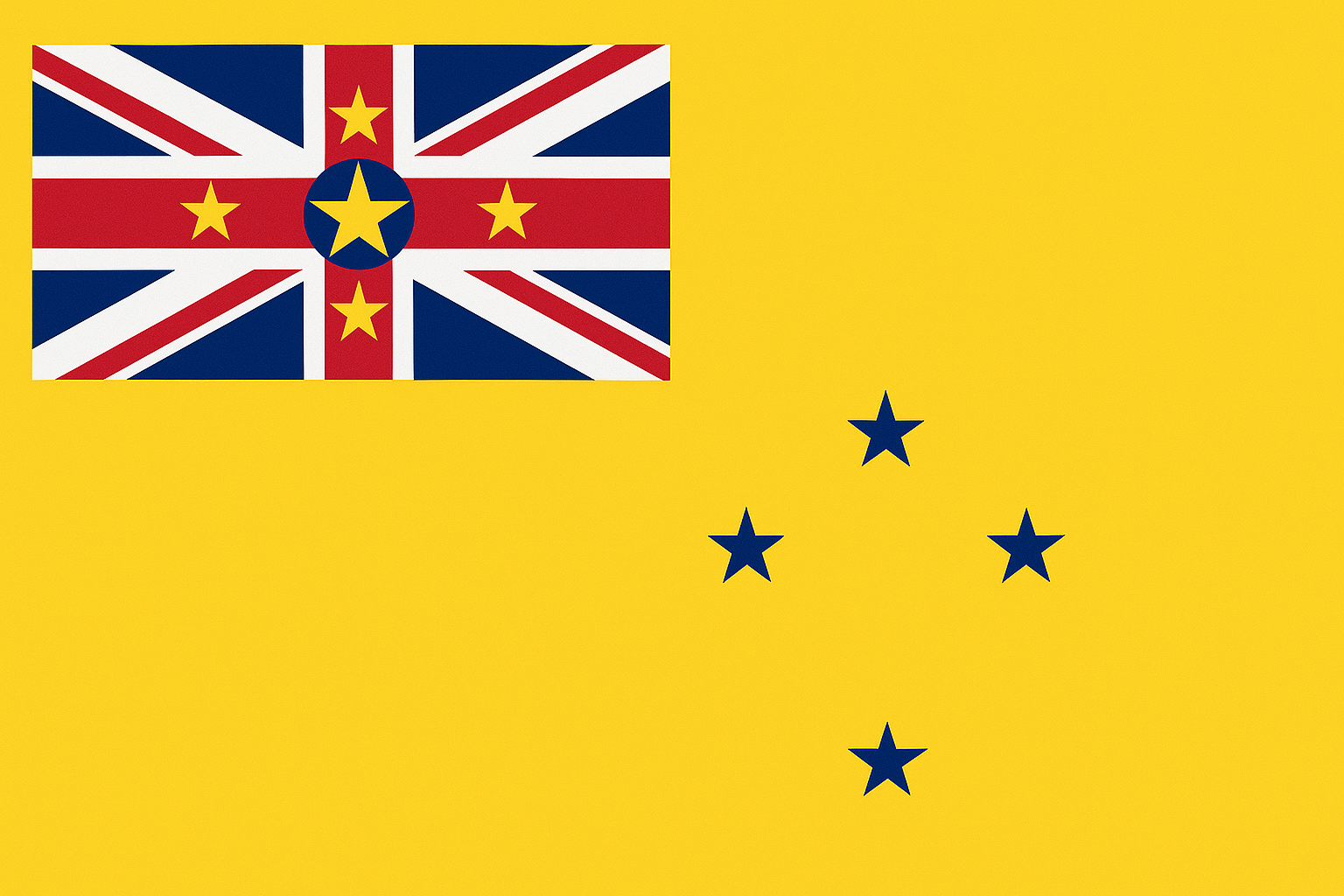
- Fly the correct courtesy flag when sailing to Niue.
- ALWAYS give priority to local fishing and charter vessels at the wharf. Some of these vessels are working to tight schedules so they would appreciate no delays around the crane area.
Niue Provisioning &
Services
The national dish of Niue is Takihi which is baked sliced taro and papaya with coconut milk. The Niue Yacht Club has 20 moorings near the main wharf in Alofi. Niue is small but well‑organized. You’ll find grocery stores, cafés and restaurants, fuel and water, basic marine supplies, SIM cards and Wi‑Fi. However, selection is limited compared to larger islands, so arrive well‑provisioned. Roadside stalls offer seasonal produce and homemade goods.
Supermarket. Swansons Supermarket in Fonuakula is the largest on Niue for the best range of everything and open daily. Moko's Central Mart has basic provisions. The Double M Commercial Centre in Alofi has grocery and produce. Bakeries include Ilena’s Bakery in Alofi and Rockbank Bakery in South Alofi. Rosa’s Bakery has great coconut bread
Market. The “makete” or Market is open Monday, Wednesday and Friday in Alofi. Great for fresh fruit, vegetables, live coconut crabs (uga) and fresh fish along with some local cuisine cooked in a ground oven (umu). The market runs Friday Night Food Markets every 2 weeks. Organic markets are the first Thursday of the month from 5pm. Best provisioning sources include Central Services open daily with fresh fruit and vegetables. Coconut Products are popular from locally made coconut oil, soaps, balms, and moisturizers. Pure, small‑batch, and often scented with vanilla or lime. Crew favorite: coconut‑lime body oil after long passages. Bring cash as some stalls don’t take cards. Stock up early in the week; deliveries can be irregular.
Seafood. Wahoo, tuna, mahi‑mahi, and flying fish are common. Sold at small local markets or directly from fishermen. Cruisine Tip: Ask locals for the best days/times as supply varies with swell
About Niue Honey
As a honey lover I do recommend you taste and sail away with some locally produced Niue honey which has a unique taste and color. Try the fish Jerky made from tuna and Niue honey. Niue honey is considered some of the purest and most exceptional honey in the world. It comes from the last known population of healthy, disease‑free Italian honeybees, thriving in Niue’s untouched tropical forests. Because the island is so isolated and free from pesticides, parasites, and major bee diseases, the honey is 100% organic, raw, unpasteurised, and unfiltered, preserving its full flavour and natural enzymes. The flavour profile is distinctive and often described as smooth, clean, with notes of caramel and malt, without the bitterness found in many darker honeys. Niue honey has won multiple international awards, including Best International Honey at the UK National Honey Show. Make sure you get some but you may have to consume before you enter some countries like Australia.
Niue Culture &
Local Life
Niueans are warm, community‑oriented, and deeply connected to their land and sea. English is widely spoken, and the island has a relaxed, welcoming atmosphere. Many locals have New Zealand citizenship, and the island maintains strong cultural ties with both Polynesia and New Zealand. Check out Niue here.
- Do not Swim or bathe at the moorings when Vaka (Canoe) fishermen are fishing nearby. Please be respectful of their needs
- Do not Sunbathe naked or topless (for women) on deck. Niueans are conservative when it comes to this, and you can still be seen from land, so please respect the culture
Mechanical
and Electrical Repairs Resource
If you are headed somewhere remote consider the need to expand your knowledge base or have an information resource on board. Why not get a copy of my book The Marine and Electrical and Electronics Bible 4th Edition. By and for yachties, with everything from batteries and charging, solar and wind, diesel engines and marine electronics and so much more. Your complete systems guide. 650 pages of practical advice. In Australia and New Zealand order a copy through Boat Books. UK and European boats can buy the UK Edition Here. US and Canadian boats can get the US Edition Order Here. Marine systems are my profession so let me help you. By a liveaboard boat owner for other boat owners



Sailing to Niue
Sailing to Niue is a highlight of any South Pacific voyage. The island’s dramatic geology, clear water, friendly community, and unique mooring system create an experience that is both challenging and deeply rewarding. For sailors who appreciate raw beauty and authentic culture, Niue is a destination that stays with you long after you sail away.