Sailing to American Samoa:
A Cruiser’s Guide
Sailing to American Samoa is one of the most strategically important and culturally fascinating stops in the South Pacific, yet it remains surprisingly under‑visited by cruising yachts. For sailors making the long westbound run from French Polynesia or the Cook Islands, the islands of American Samoa offer a rare combination of deep, protected harbours, reliable services, and a warm Polynesian welcome. Whether you’re seeking a safe cyclone‑season refuge, a good major provisioning stop, or a chance to immerse yourself in Samoan culture, this U.S. territory delivers far more than most sailors expect.
For many cruisers, American Samoa is the first major landfall after thousands of miles of open ocean. Pago Pago Harbour on Tutuila is widely regarded as one of the best natural harbours in the Pacific, offering fjord‑like protection and deep anchorage options. Its geography makes it a dependable haven during unsettled weather, and its infrastructure is far better developed than many neighbouring islands. Beyond the practical advantages, American Samoa offers a refreshing blend of traditional Polynesian culture and modern conveniences. The islands are quieter and less commercial than many South Pacific destinations, giving sailors a chance to experience authentic village life, dramatic volcanic landscapes, and some of the region’s most pristine marine environments.
Sailing to American Samoa:
Geography & Island Overview
American Samoa consists of five volcanic islands and two coral atolls, with the majority of cruising activity centred around Tutuila and the remote Manu’a group.
- Tutuila. Tutuila is the heart of American Samoa and home to Pago Pago, the territory’s capital. The island is rugged, lush, and visually dramatic, with steep green mountains rising straight from the sea. Most services, shops, and marine facilities are located here, making it the natural hub for visiting yachts.
- Manu’a Islands. The Manu’a group, Ta‘ū, Ofu, and Olosega, lies about 60 miles east of Tutuila. These islands are quieter, more remote, and exceptionally beautiful. Cruisers who make the trip are rewarded with coral‑rimmed beaches, clear water, and a sense of untouched Polynesia that’s increasingly rare.
Sailing to American Samoa:
Sailing Conditions
American Samoa sits within the reliable South Pacific trade‑wind belt, making for predictable sailing conditions most of the year. Winds typically blow from the east or southeast, with moderate seas and manageable swell. Tidal ranges are modest, but reef navigation requires careful attention and good light. Squalls are common, especially during the wet season, and the islands’ steep topography can create localized gusts. While the sailing distances between islands are short, the remoteness of the region means crews should be self‑sufficient and prepared for changing conditions.
Sailing to American Samoa:
Navigation Requirements & Challenges
Sailing into American Samoa is generally straightforward for experienced cruisers, but the territory does present several navigation considerations that are worth understanding before arrival. The combination of volcanic topography, deep fjord‑like harbours, fringing reefs, and frequent squalls means good seamanship and careful planning are essential.
Approaching Pago Pago Harbour. Pago Pago is one of the safest natural harbours in the Pacific, but the approach requires attention. Key considerations include steep, high terrain that can create sudden gusts and wind acceleration zones as you enter the harbour. Commercial traffic (cargo ships, fishing vessels, and inter‑island ferries) is common, especially near the entrance. Deep water right up to the shoreline means you won’t get the usual visual cues of shoaling. Night entry is possible but not recommended unless conditions are calm and visibility is good. Practical requirements are maintaining a proper watch, monitor VHF, and be prepared for wind shifts as you pass between the headlands.
Sailing to American Samoa:
Fringing Reefs & Coral Heads
Like much of the South Pacific, American Samoa has fringing reefs around many islands, especially in the Manu’a group. Reefs can be poorly charted or shifted slightly from charted positions. Coral heads may rise abruptly from deep water. Passes into smaller anchorages may be narrow and require good light. Enter reef areas only in good overhead sunlight. Use visual navigation and a bow lookout. Rely on multiple information sources (Up to date charts + satellite imagery + local knowledge).
Sailing to American Samoa:
Strong Gusts & Localized Wind Effects
The volcanic terrain of Tutuila creates dramatic wind funnels. Sudden 25–35 knot bullets even when the trades are moderate. Gusts can swing 20–40 degrees. Increased turbulence near steep cliffs and headlands. American Samoa sits in a zone where squalls are common, especially during the wet season. Navigation impacts include rapid drops in visibility. Short‑lived but intense wind spikes. Confused seas outside the harbour. Keep reefing conservative on approach, meaning one or even two reefs in the main and a partially furled headsail and avoid entering unfamiliar anchorages during squalls.
Sailing to American Samoa:
Tropical Weather & Cyclone Considerations
American Samoa is within the cyclone belt during the wet season. What this means for navigation is that weather windows matter. Pago Pago is a legitimate cyclone refuge, but getting there safely requires planning. Swell can be large and persistent during unsettled periods.
Sailing to American Samoa: Depth Challenges.
Pago Pago Harbour is famously deep , often 20–40 metres even close to shore. You’ll need plenty of chain. Scope can be limited in crowded areas. Anchoring requires careful selection of depth and swing room.
Sailing to American Samoa: Limited Anchorages Outside Tutuila.
The Manu’a Islands are stunning but offer few all‑weather anchorages. The challenges are exposed coastlines. There is swell wrapping around headlands. There are narrow reef passes. Weather‑dependent holding.
Inter‑Island Navigation. The distances between Tutuila and the Manu’a group are short, but conditions can be somewhat bumpy. Expect strong trades funneling between the islands. You will experience steep chop in the channels. Limited bailout options so once committed there are not many options left.
Pago Pago Harbour: A Safe Haven
Pago Pago Harbour is the primary anchorage for visiting yachts and one of the safest cyclone holes in the Pacific. The harbour is long, deep, and almost entirely enclosed by steep volcanic ridges, offering exceptional protection from wind and swell. Anchoring is straightforward, though depths can be significant. Holding is generally good, and the harbour provides easy access to fuel, provisioning, hardware stores, and repair facilities. While Pago Pago is not a polished tourist hub, it is practical, friendly, and extremely useful for long‑distance cruisers.
Sailing to American Samoa:
Entry Requirements & Formalities
American Samoa follows U.S. entry protocols, and all yachts must clear in at Pago Pago. The process is generally efficient, though sailors should expect a very formal approach. Officials are accustomed to visiting yachts, and most crews report smooth interactions. Because the territory is not a major charter or cruising destination, services can be limited outside Tutuila. It’s wise to arrive with essential spares and to plan ahead for any specialized repairs.
Mechanical
and Electrical Repairs Resource
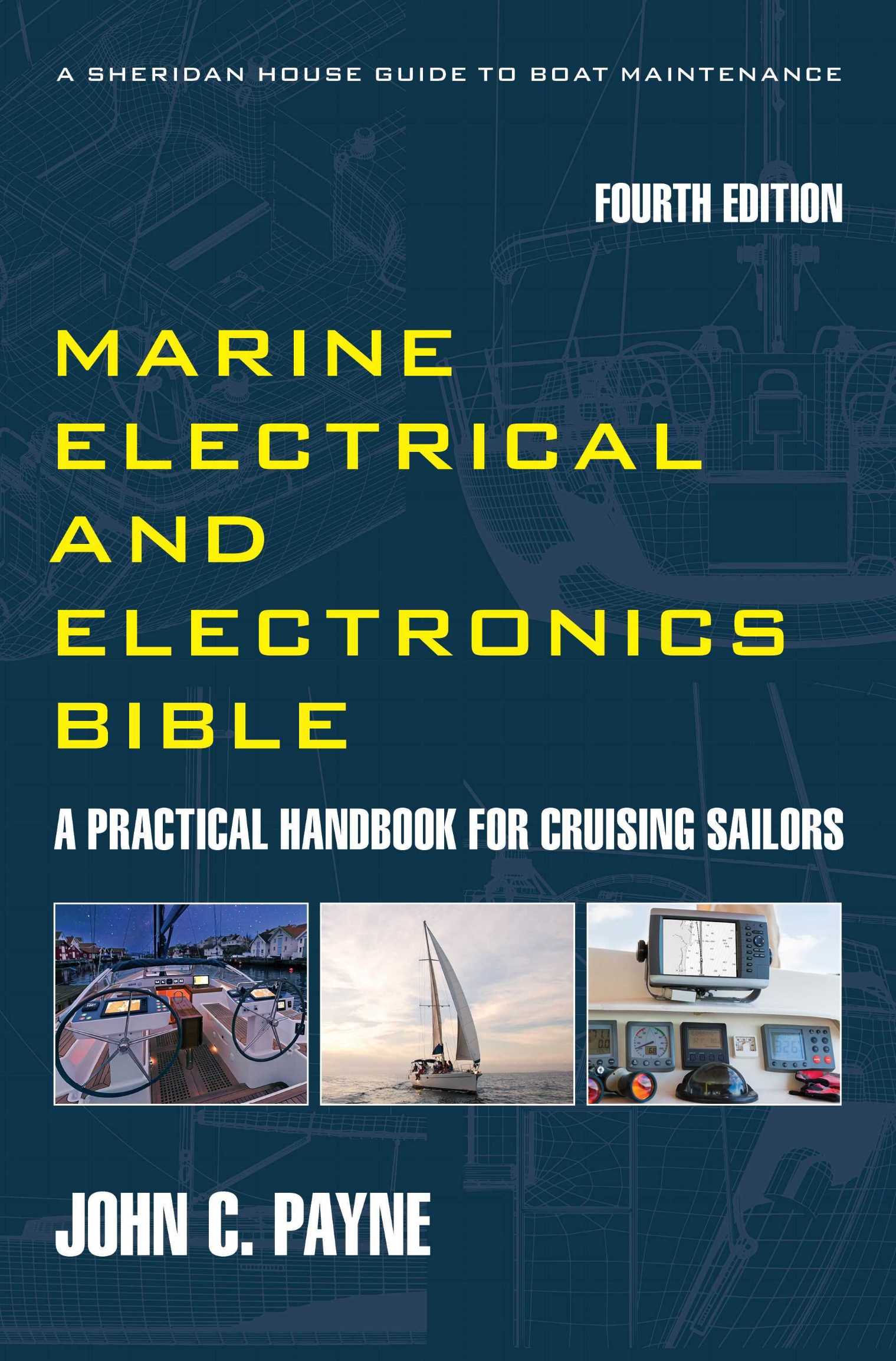
If you are headed somewhere remote consider the need to expand your knowledge base or have an information resource on board. Why not get a copy of my book The Marine and Electrical and Electronics Bible 4th Edition. By and for yachties, with everything from batteries and charging, solar and wind, diesel engines and marine electronics and so much more. Your complete systems guide. 650 pages of practical advice. In Australia and New Zealand order a copy through Boat Books. UK and European boats can buy the UK Edition Here. US and Canadian boats can get the US Edition Order Here. Marine systems are my profession so let me help you. By a liveaboard boat owner for other boat owners

Sailing to American Samoa:
Provisioning & Services
One of the biggest advantages of stopping in American Samoa is the availability of well‑stocked supermarkets and hardware stores. Compared to many Pacific islands, prices are reasonable, and selection is excellent. This makes Pago Pago a popular place to restock before continuing west toward Tonga, Fiji, or Vanuatu.
Supermarkets. Cost U Less (Ottoville Center) for bulk groceries, household goods, and imported items. Great for provisioning or stocking up and located in the Tafuna area. TSM Mart is a mid-size supermarket with fresh produce, snacks, and general supplies and is located in the Tafuna area. Pago Supermarket has Local and international groceries, fresh produce, pantry staples, and traditional Samoan ingredients and is located in Central Pago Pago. Try Samoan street food favorites like panikeke (fried dough), palusami (taro leaves with coconut), grilled fish, and alouda (sweet milky drink)
Markets. For fresh fruit and vegetables and seafood visit the Fagotogo Market. Located in front of the main bus terminal in Fagatogo. Bananas, papayas, breadfruit, taro, coconuts, and other tropical fruits and vegetables grown locally. Local produce stalls are found near roadsides and village centers, with bananas, papayas, taro, breadfruit, and coconuts. Fish and seafood vendors are often set up near the harbor, offering fresh tuna, snapper, and reef fish. Daily catch from local fishermen early mornings.
Sailing to American Samoa:
Culture & Local Life
American Samoa offers a rich cultural experience rooted in Fa’a Samoa, the Samoan way. Village life is communal, respectful, and deeply traditional. Visitors will notice the importance of family, church, and ceremony in daily life. Sailors are welcomed warmly, but it’s important to observe local customs, especially when visiting villages or beaches. Dress modestly, ask permission before entering communal areas, and be mindful of Sunday restrictions, when many activities pause for worship and family time.
Sailing to American Samoa:
Exploring the Islands
While many cruisers stop only in Pago Pago, those who venture farther are rewarded with some of the most stunning scenery in the Pacific.
- Ofu & Olosega. These sister islands are connected by a short bridge and offer world‑class beaches, crystal‑clear water, and excellent snorkelling. The Ofu Beach area is particularly famous for its coral gardens and dramatic mountain backdrop.
- Ta‘ū. The largest of the Manu’a islands, Ta‘ū is rugged and remote. Its coastline features cliffs, waterfalls, and dense rainforest. Anchorages are limited and weather‑dependent, but the island is unforgettable for those who make the effort.
Sailing to American Samoa Summary
Sailing to American Samoa offers a rare combination of practicality and beauty. With its deep natural harbour, friendly communities, and dramatic volcanic landscapes, it’s a destination that rewards sailors who value authenticity and resilience. Whether you’re stopping for a week or waiting out a season, the islands provide a safe, welcoming, and memorable waypoint on any South Pacific voyage. Sailing to American Samoa is worth the effort.