Kosrae Cruising Guide
Kosrae Cruising Guide. Kosrae is the easternmost state of the Federated States of Micronesia and one of the most isolated islands in the region. For visiting yachts, it functions as a quiet, low‑infrastructure stop with a single harbor, limited services, and a small, welcoming community. The island is mountainous and heavily forested, with steep coastal drop‑offs and fringing reef that restrict anchoring options almost entirely to the main harbor at Lelu. Kosrae is not a multi‑anchorage cruising ground; it is a one‑port island where crews anchor, clear in, rest briefly, and continue west toward Pohnpei or east toward the Marshall Islands.
fluctuates, and marine services are minimal. What the island does offer is a calm, predictable harbor, straightforward entry procedures, and a simple, low‑key environment that makes for a peaceful stopover on a long Pacific passage.
Kosrae Cruising Guide - Entry
Formalities
Kosrae is a port of entry for the Federated States of Micronesia. All foreign yachts must clear in at Lelu Harbor, located on the northeastern side of the island. The approach is through a well‑defined channel cut through the reef, and yachts must follow the markers carefully, especially in poor light.
Upon arrival, yachts anchor in the designated area inside the harbor and await instructions from authorities. Clearance is handled by Immigration, Customs, Quarantine, and Port Control. Officers typically come to the vessel, though crews may occasionally be asked to come ashore. Documentation requirements include passports, vessel registration, crew list, and prior port clearance. The process is generally straightforward and conducted in a calm, methodical manner.
Kosrae requires advance notice of arrival when possible, and yachts should attempt to contact authorities by email or radio before entering the harbor. Once cleared, movement around the island is unrestricted, though there are no alternative anchorages.
Kosrae Cruising Guide - Navigation
Kosrae’s coastline is dominated by steep slopes and fringing reef, leaving Lelu Harbor as the only practical maritime access point. The entrance channel is narrow but well‑marked, with clear water that allows visual confirmation of depth and reef edges in good conditions. Approaches should be made in daylight, as the reef is unforgiving and the channel markers can be difficult to identify at night.
Inside the harbor, depths are adequate for most yachts, and the anchorage is generally calm. Holding is good in mud and sand. Space is limited, but visiting yachts rarely encounter congestion due to the island’s low traffic. Outside Lelu Harbor, anchoring is not recommended anywhere around the island due to reef, exposure, and lack of shelter.
The eastern and southern coasts are fully exposed to swell, and the northern coast has no breaks in the reef suitable for entry. Kosrae is a one‑harbor island, and navigation is simple once inside.
Kosrae Cruising Guide - Weather
Kosrae sits in the equatorial zone and experiences light to moderate winds year‑round, with less pronounced trade‑wind patterns than the Northern Marianas or Guam. The island receives significant rainfall, and squalls are common, especially during the wet season. Winds are often variable, with calm periods interspersed with sudden gusts.
Because the island is mountainous, localized weather effects are common. Clouds build quickly over the interior, and rain can arrive with little warning. The harbor remains protected in most conditions, though strong easterlies can create chop in the outer anchorage.
Kosrae is outside the main typhoon belt, but it can still experience severe weather from passing systems. Crews should monitor forecasts closely, especially during the western Pacific cyclone season.
Kosrae Cruising Guide - Provisioning
Provisioning on Kosrae is limited but workable for short stays. The island has a handful of small supermarkets and general stores that carry basic dry goods, canned foods, snacks, and household items. Stock levels depend heavily on container shipments, and availability fluctuates.
Supermarkets. Ace’s Mart (Tofol), one of the island’s main general stores, carrying dry goods, packaged foods, and limited refrigerated items. Menyen Mart (Lelu) is a small store near the harbor with basic staples, snacks, and drinks. Useful for quick top‑ups. Pacific Store (Lelu) is another small shop with similar inventory. Turnover is steady but limited in variety.
Markets. Fresh produce is available in small quantities from local growers. Items such as bananas, breadfruit, papayas, taro, and leafy greens appear intermittently in the stores or through informal roadside vendors. Availability varies with season and weather.
Seafood. Kosrae does not have a formal fish market. Local fishermen sell their catch directly to residents or through small shops when available. Tuna, reef fish, and occasional pelagic species appear in limited quantities. Crews planning onward passages typically rely on their own stores or frozen fish purchased in Pohnpei or Majuro.
Kosrae Cruising Guide - Diesel
Supplies
Diesel availability on Kosrae is inconsistent. The island has fuel stations for vehicles, but supply depends on shipments, and access for yachts requires transporting jerry cans. There is no dedicated marine fuel dock. Fuel quality is generally acceptable but can vary depending on storage conditions. Yachts should refuel in Pohnpei or Majuro before arriving in Kosrae.
Kosrae Cruising Guide - Water
Supplies
Potable water is available in Lelu and Tofol, but infrastructure is basic. Yachts may be able to fill jerry cans from public taps or local businesses, though filtration is recommended. There are no marina‑grade water facilities, and crews should arrive with full tanks.
Mechanical
and Electrical Repairs Resource
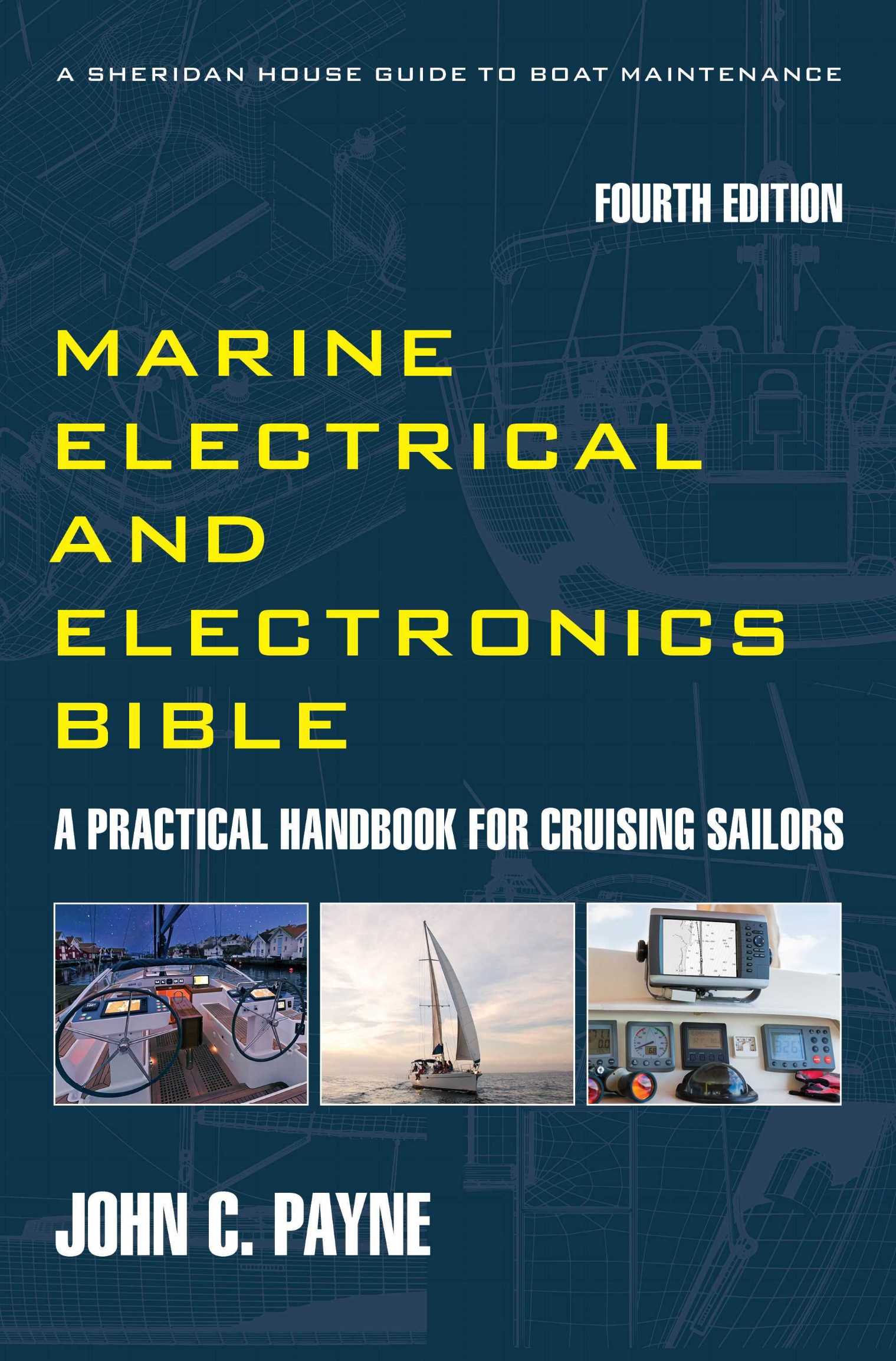
If you are headed somewhere remote consider the need to expand your knowledge base or have an information resource on board. Why not get a copy of my book The Marine and Electrical and Electronics Bible 4th Edition. By and for yachties, with everything from batteries and charging, solar and wind, diesel engines and marine electronics and so much more. Your complete systems guide. 650 pages of practical advice. In Australia and New Zealand order a copy through Boat Books. UK and European boats can buy the UK Edition Here. US and Canadian boats can get the US Edition Order Here. Marine systems are my profession so let me help you. By a liveaboard boat owner for other boat owners

Kosrae Cruising Guide - Local
Marine Services
Kosrae has no marine services. There are no boatyards, no haul‑out facilities, and no marine mechanics. Minor repairs may be possible using local hardware stores or general workshops, but anything beyond basic improvisation must be handled in Pohnpei or Majuro. Kosrae should be treated as a no‑service island.
Kosrae Cruising Guide - Local
Culture
Kosrae has a small, quiet community with a strong emphasis on respect, calm behavior, and traditional values. English is widely spoken, and interactions with visitors are polite and straightforward. The island has a slower pace than Pohnpei or Chuuk, and daily life revolves around family, church, and small local businesses. Visitors should be mindful of local customs, especially regarding dress and behavior near villages. Public spaces are used regularly by residents, and crews are expected to be considerate when coming ashore.
Kosrae Cruising Guide - Local
Cuisine
Food options on Kosrae are limited. A few small eateries operate in Lelu and Tofol, offering simple meals based on rice, fish, chicken, and local vegetables. Availability depends on shipments and local supply. Fresh fish is available when local fishermen have a good catch, but quantities are small and inconsistent.
Kosrae Cruising Guide - Summary
Kosrae is a quiet, low‑infrastructure island that offers a calm and predictable stop for yachts crossing the central Pacific. With a single harbor, limited provisioning, and no marine services, it rewards crews who arrive fully self‑sufficient. Navigation is straightforward once inside Lelu Harbor, and the community is welcoming and easy to interact with. For yachts moving between the Marshall Islands, Pohnpei, and the broader Micronesian region, Kosrae serves as a peaceful waypoint rather than a logistical hub, and understanding its limitations ensures a smooth and uncomplicated visit.