Chuuk Cruising Guide
The Chuuk Cruising Guide, Chuuk (formerly Truk) is one of the most complex destinations in the Federated States of Micronesia from a cruising perspective. The lagoon is vast, the reef system is extensive, and the main island of Weno functions as the administrative and commercial center. Despite the size of the lagoon, Chuuk is not a multi‑anchorage cruising ground for visiting yachts. Most anchorages outside Weno are either exposed, poorly charted, or controlled by local communities that require prior permission.
The lagoon’s reputation for wreck diving does not translate into yacht‑friendly infrastructure, and crews should arrive prepared for limited services, variable security conditions, and a harbor that can be congested and chaotic. For most yachts, Chuuk is a transit stop rather than a long‑stay destination. It provides a place to clear into FSM, rest briefly, and continue west toward Yap or east toward Pohnpei. The following sections outline the practical realities of operating in Chuuk.
Chuuk Cruising Guide - Entry
Formalities
Chuuk is a port of entry for the Federated States of Micronesia. All foreign yachts must clear in at Weno, the main island in Chuuk Lagoon. The approach to Weno is through marked channels, but the lagoon contains numerous coral heads, shoals, and uncharted features, making daylight entry essential.
Upon arrival, yachts anchor off Weno and await instructions from authorities. Clearance involves Immigration, Customs, Quarantine, and Port Control. Officers may come aboard, or crews may be asked to come ashore depending on staffing and conditions. Documentation requirements include passports, vessel registration, crew list, and prior port clearance.
Advance notice of arrival is recommended. Chuuk’s administrative processes can be slow, and patience is often required. Once cleared, movement within the lagoon is technically unrestricted, but practical limitations and local permissions shape where yachts can safely anchor.
Chuuk Cruising Guide - Navigation
Chuuk Lagoon is one of the largest enclosed lagoons in the world, but its size does not translate into easy navigation. The lagoon is filled with coral heads, shallow patches, and unmarked hazards. Charts are incomplete, and satellite imagery is essential for safe movement. Even with good visibility, navigation requires constant attention.
The only practical anchorage for visiting yachts is Weno, where depths are workable and access to shore is straightforward. The anchorage can be crowded with local boats, and holding varies depending on where a yacht drops anchor. The seabed is a mix of mud, sand, and debris.
Anchorages elsewhere in the lagoon exist but are not recommended without local guidance. Many outer islands require permission from chiefs or landowners, and some communities do not welcome unannounced visitors. The reef passes are narrow and should only be attempted in calm conditions with excellent visibility. Night navigation is strongly discouraged anywhere in the lagoon.
Chuuk Cruising Guide - Weather
Chuuk sits in a region of variable winds and high rainfall. Trade‑wind patterns are less consistent than in the Northern Marianas or Guam. Light winds, squalls, and sudden gusts are common, especially during the wet season. The lagoon can become choppy when winds strengthen, and the anchorage off Weno can be uncomfortable during prolonged easterlies.
Chuuk is within the broader western Pacific cyclone zone, though direct hits are less frequent than in the Northern Marianas. Crews should monitor forecasts closely, especially during the typhoon season from July to November.
Local weather effects include rapid cloud buildup over the high islands and sudden downpours that reduce visibility. These conditions make reef navigation more challenging.
Chuuk Cruising Guide - Provisioning
Provisioning in Chuuk is limited but workable for short stays. Weno has several small supermarkets and general stores that carry basic dry goods, canned foods, snacks, and household items. Stock levels depend heavily on container shipments, and availability fluctuates.
Supermarkets. Truk Stop Store (Weno) is a small but reliable general store attached to the Truk Stop complex. Carries packaged foods, drinks, and basic staples. Palm Terrace Store (Weno) is a mid‑sized shop with a modest selection of dry goods, snacks, and refrigerated items. Sanga Store (Weno) is another general store used by local residents. Stock varies depending on shipment cycles.
Markets. Fresh produce is limited. Small quantities of bananas, papayas, taro, and leafy greens appear in local shops or through informal roadside vendors. Availability is inconsistent and depends on local harvests.
Seafood. Fish is sold informally by local fishermen near the waterfront. Tuna, reef fish, and small pelagics appear when conditions allow, but quantities are small and unpredictable.
Chuuk Cruising Guide - Diesel
Supplies
Diesel is available on Weno but can be inconsistent. Fuel stations supply vehicles, and yachts must transport fuel by jerry can. There is no dedicated marine fuel dock. Fuel quality varies depending on storage conditions, and filtering is recommended.
Chuuk Cruising Guide - Water Supplies
Potable water is available on Weno, but quality varies. Yachts may be able to fill jerry cans from local businesses or public taps, but filtration or treatment is strongly recommended. There are no marina‑grade water facilities.
Mechanical
and Electrical Repairs Resource
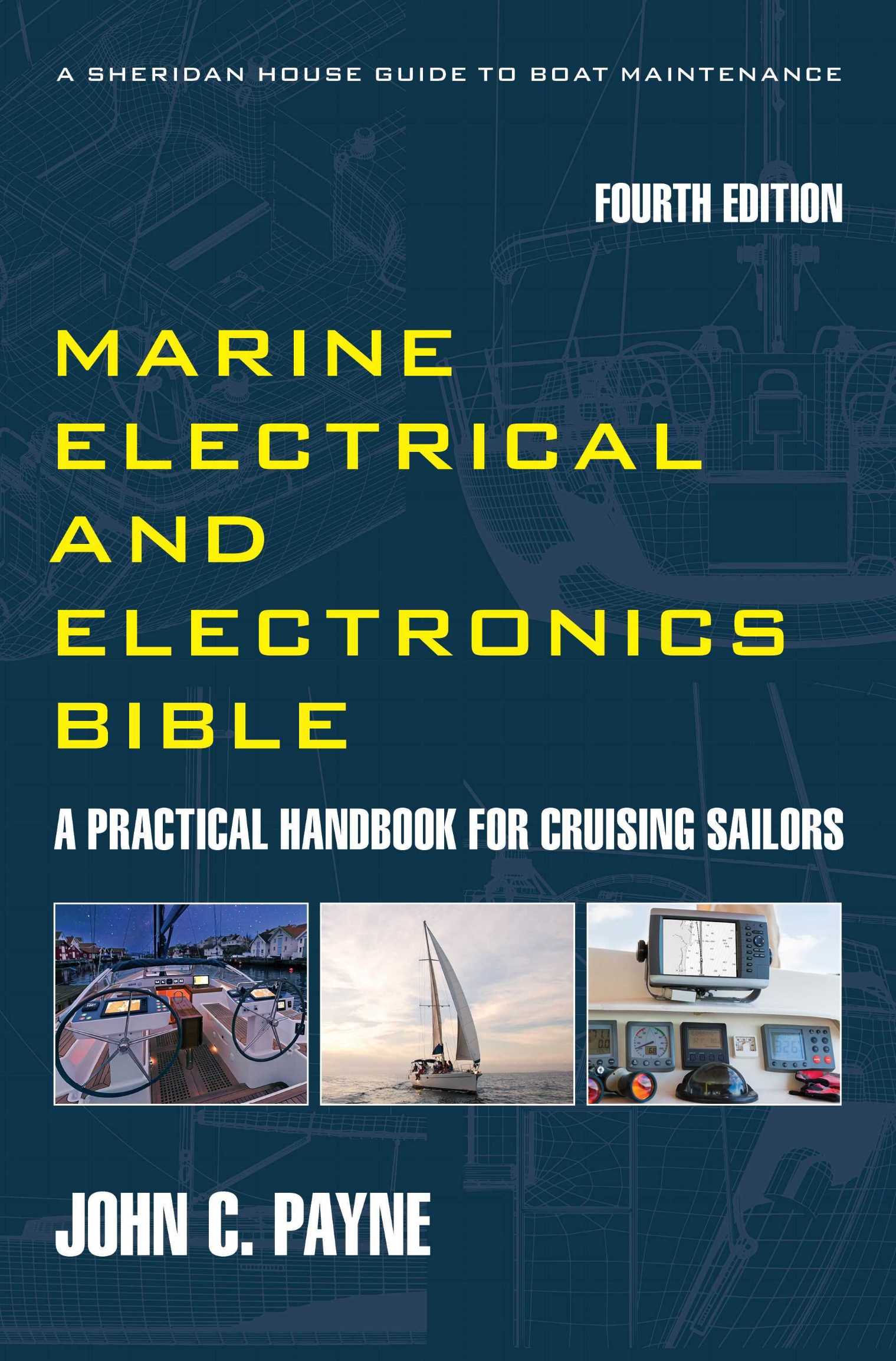
If you are headed somewhere remote consider the need to expand your knowledge base or have an information resource on board. Why not get a copy of my book The Marine and Electrical and Electronics Bible 4th Edition. By and for yachties, with everything from batteries and charging, solar and wind, diesel engines and marine electronics and so much more. Your complete systems guide. 650 pages of practical advice. In Australia and New Zealand order a copy through Boat Books. UK and European boats can buy the UK Edition Here. US and Canadian boats can get the US Edition Order Here. Marine systems are my profession so let me help you. By a liveaboard boat owner for other boat owners

Chuuk Cruising Guide -
Local Marine Services
Chuuk has very limited marine services. There are no haul‑out facilities, no boatyards, and no marine mechanics. Minor repairs may be possible using local workshops or hardware stores, but anything beyond basic improvisation must be handled in Pohnpei or Yap. Yachts should not expect technical support of any kind in Chuuk.
Chuuk Cruising Guide -About Diving
Diving in Chuuk is defined by its vast lagoon and the concentration of World War II wrecks resting at accessible depths. Conditions vary, but visibility is often reduced by runoff and lagoon sediment, giving dives a muted, atmospheric quality. Most sites lie within recreational limits, though penetration and deeper wrecks require advanced training and disciplined gas planning. Coral growth on the wrecks is patchy, and currents are generally mild but can shift quickly. Logistics depend on local operators, as the lagoon is too large for casual exploration by yacht. For prepared divers, Chuuk offers technically demanding but rewarding dives.
Chuuk Cruising Guide - Local
Culture
Chuuk has a complex social landscape, and visitors should be aware that attitudes toward outsiders vary between communities. Weno is busy and densely populated, with a mix of small businesses, government offices, and local activity. English is spoken widely enough for basic communication.
Visitors should be respectful when moving around the island and avoid wandering into residential areas without purpose. In outer islands, permission from chiefs or landowners is required before going ashore.
Chuuk Cruising Guide - Local
Cuisine
Food options on Weno are limited to small eateries serving simple meals based on rice, chicken, fish, and local vegetables. Availability depends on shipments and local supply. Fresh fish is available when local fishermen have a good catch, but quantities are small.
Chuuk Cruising Guide - Summary
Chuuk is a challenging destination for visiting yachts. The lagoon is vast but difficult to navigate, the anchorage at Weno is functional but not comfortable, and provisioning and services are limited. The island is best approached as a short‑stay waypoint for clearance and rest before continuing west to Yap or east to Pohnpei. Crews who arrive self‑sufficient, plan their movements carefully, and understand the limitations of the lagoon will find Chuuk manageable, but it is not a cruising ground in the recreational sense. It is a transit point and treating it as such ensures a smoother and safer passage through the region.